
Last updated November 14, 2026
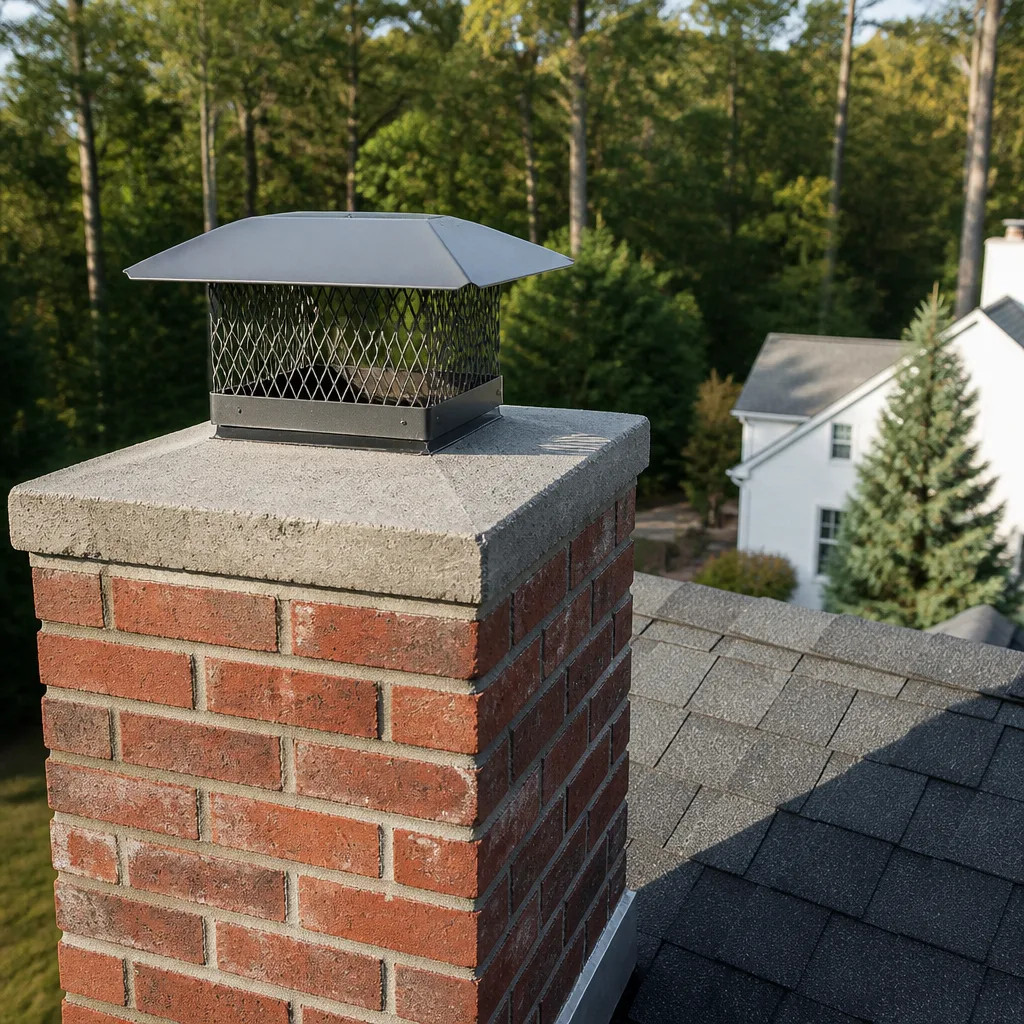 Sweep & inspection
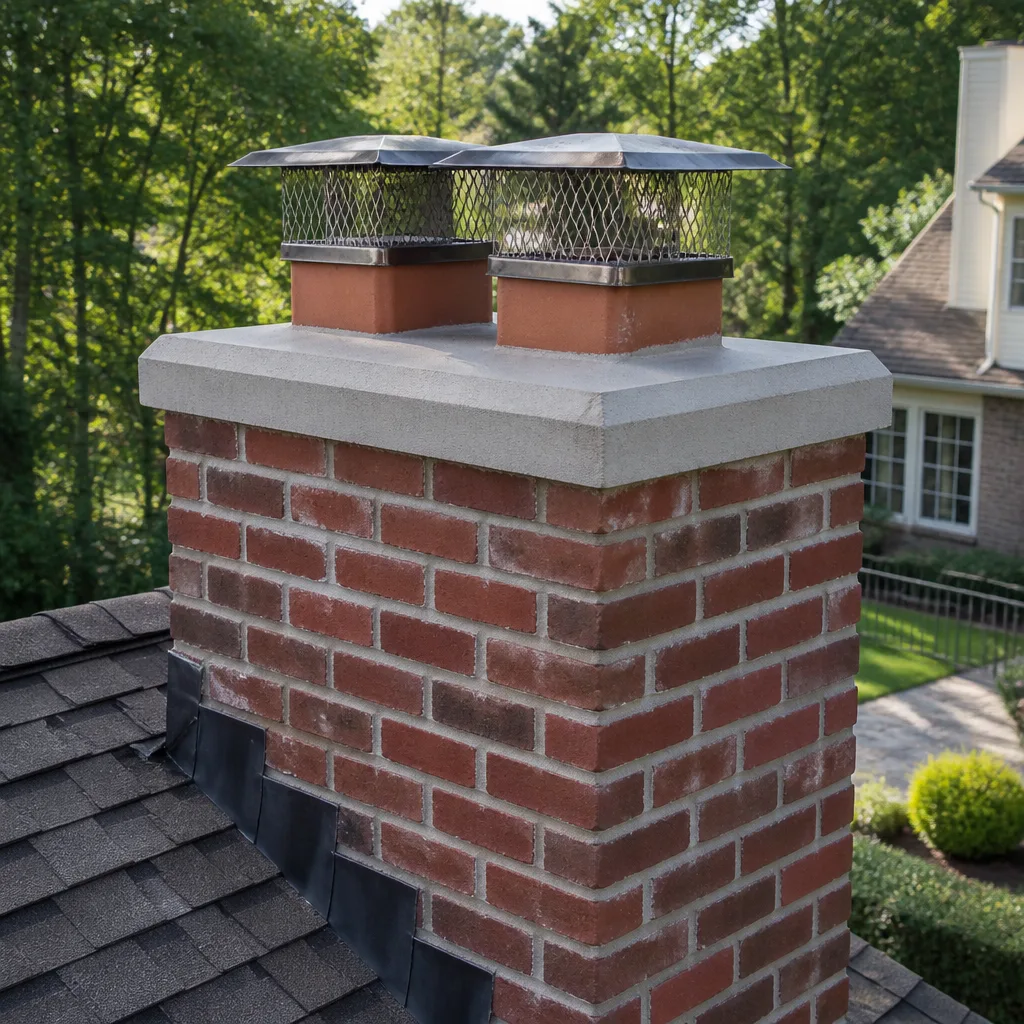 Caps & crowns
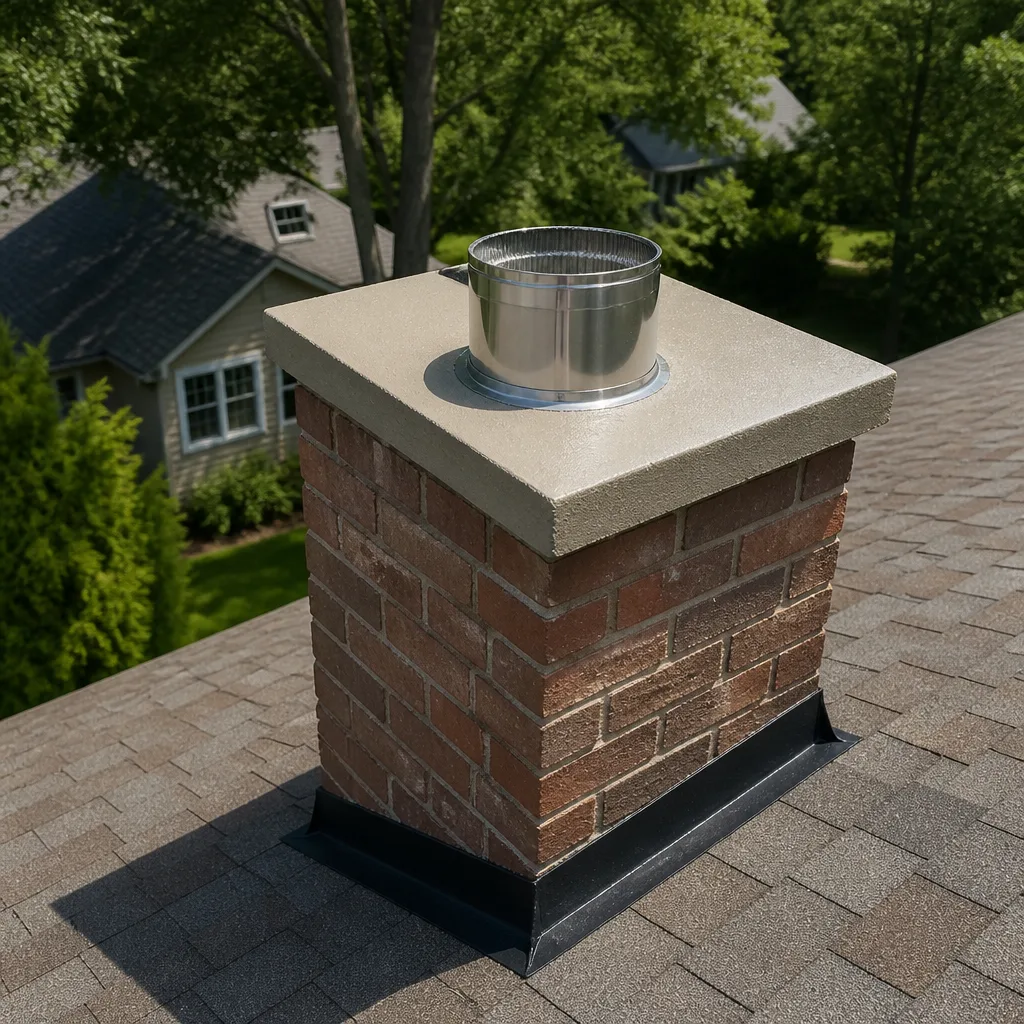 Flue relining
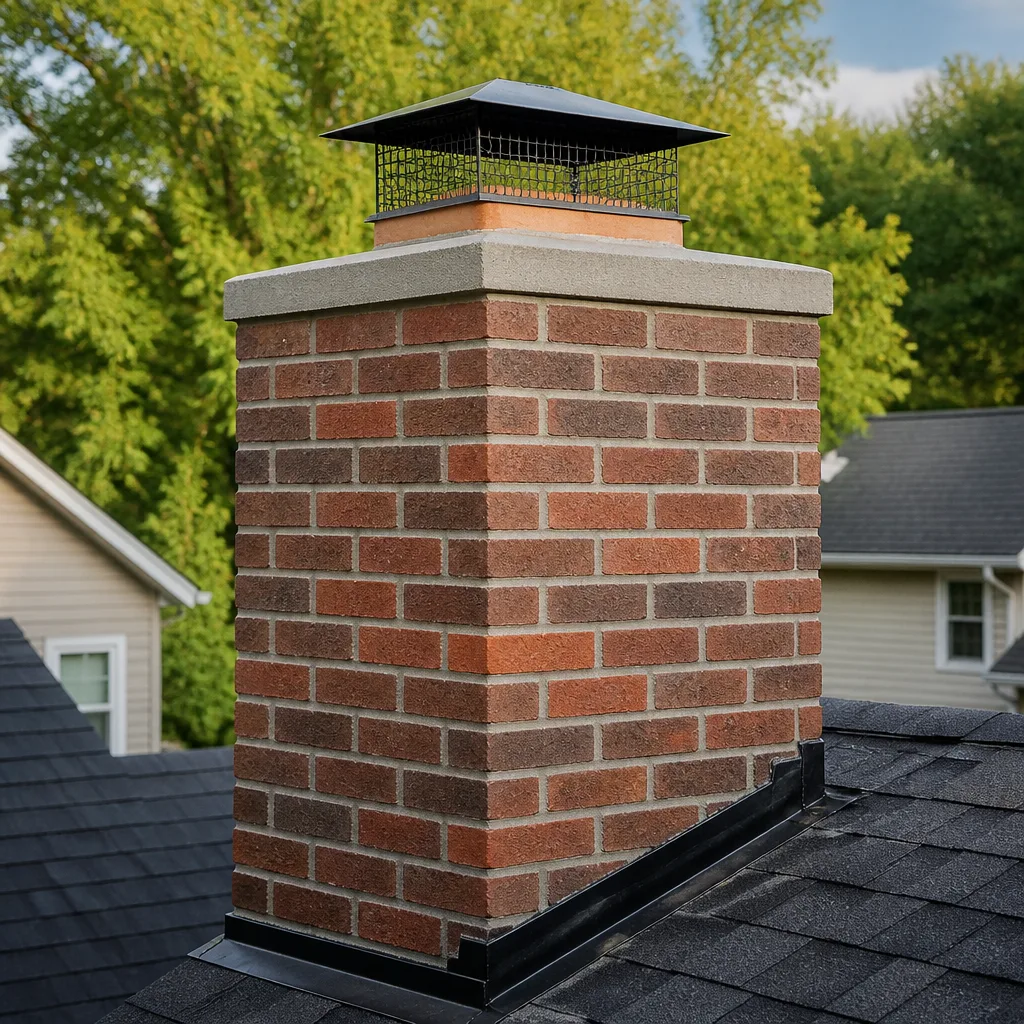 Masonry repair
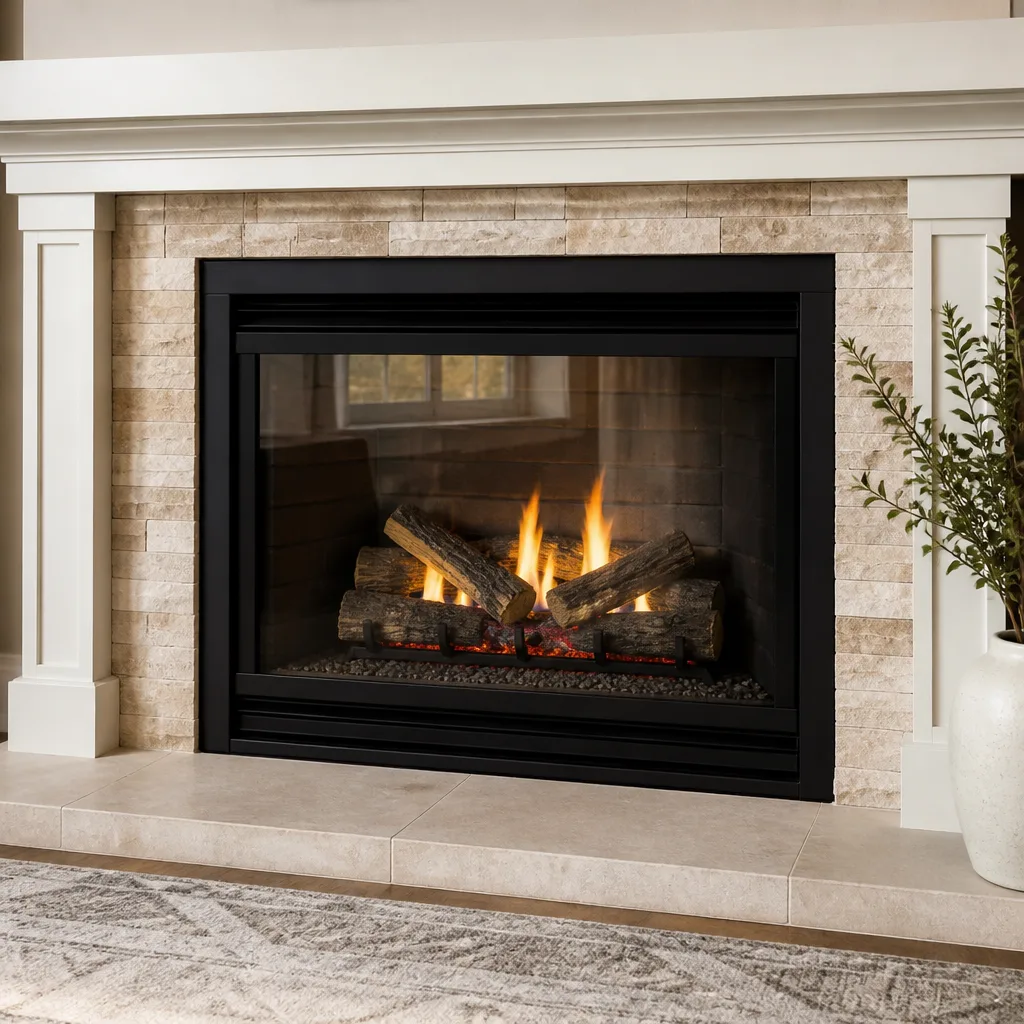 Gas fireplace service
Level 1 sweep and inspection to the NFPA 211 annual standard - flue, crown, cap, and flashing checked and photographed
Chimney sweep logs do not sweep chimneys. They loosen some creosote - which then falls where a brush and vacuum still have to collect it.
Chimney Sweep Maintenance Schedule: What to Do and When
Two homeowners on the same Portland block can need completely different chimney service. One burns cord wood every cold evening from October through March. The other flicks on a gas insert a few times a year for atmosphere. Online advice usually treats them the same and hands out one blanket rule: sweep once a year. That single rule leaves the wood burner underprepared and the gas owner overpaying for service they don’t need yet.
Chimney maintenance isn’t one schedule. It’s a calendar built around what you burn, how often you burn it, how efficient the appliance is, and how Portland’s wet burn season compresses the window when work actually gets done. This guide breaks the schedule down by fuel type, explains what the different inspection levels mean in practice, and ties in the dryer vent work most homeowners never connect to their chimney calendar. You’ll finish with a checklist you can act on this season.
Quick Answer
Most wood-burning fireplaces in Portland need a sweep once a year, ideally in September before the burn season starts, plus an annual Level 1 inspection. Gas and pellet appliances usually need inspection every one to two years depending on use, and any change in fuel type, appliance, or a chimney that’s had a problem calls for a Level 2 inspection. Dryer vents should be cleaned every one to two years for a typical household and more often for large families or long vent runs.
The short version: match the interval to your fuel and your burn frequency, and book the sweep before the rain and the first fires, not after.
Styles & brands we work with
- Sweep & inspection
- Caps & crowns
- Flue relining
- Masonry repair
- Gas fireplace service
Table of Contents
- Maintenance intervals by fuel type
- Why September matters more than spring in Portland
- Level 1 vs. Level 2 inspections: what you actually need
- The dryer vent schedule that runs parallel to your chimney
- A year-by-year checklist for a fireplace with no service history
- What proper materials and repair capability mean for your schedule
- Common mistakes to avoid
- Frequently asked questions
Maintenance intervals by fuel type
The interval that matters most is the one tied to what you actually burn. Creosote, the tar-like residue left by wood smoke, is the fuel that causes chimney fires, and it builds at very different rates depending on the appliance. Gas produces almost no creosote but can leave corrosive deposits and needs its own inspection rhythm. Pellet stoves fall somewhere in between. Here’s how the schedule splits out.
- Wood-burning fireplace or wood stove: sweep once a year for a typical household, and more often if you burn heavily or burn unseasoned wood. A homeowner who runs a fire most evenings through Portland’s wet season should plan on an annual sweep at minimum, and possibly a mid-season check if the fire has been running hard.
- Gas insert or gas log set: inspect every one to two years. Gas doesn’t create creosote, but it can leave acidic residue that eats at the flue over time, and the appliance itself needs its burner and venting checked. A lightly used decorative insert can stretch to the two-year mark; an insert that runs as a primary heat source should be looked at annually.
- Pellet stove: sweep and inspect annually, with the flue cleaned more often if you burn through multiple tons in a season. Pellet ash is finer than wood ash and clogs flues faster than many owners expect.
- Oil appliance: annual inspection is standard because oil-fired systems leave soot and sulfur residue that damages the flue. This is a smaller share of Portland homes, but the schedule is the tightest of any fuel type.
The reasoning behind each interval is the same: the residues a given fuel leaves behind determine how fast the flue degrades and how much fire risk builds. Match the sweep to the fuel and the burn frequency, and you stop guessing. If you’re not sure which category fits, our chimney sweep service includes an inspection that tells you plainly what your system needs and when the next visit should be.
Why September matters more than spring in Portland
Portland’s burn season is a wet one that starts around October and runs into March. That timing shapes the whole maintenance calendar. The work of preparing a chimney for the season needs to happen before the rain sets in and before the first fires, not after. Booking in September gives you a clear window to sweep, inspect, and fix anything that turns up before the weather makes exterior work harder and before you’re relying on the fireplace for warmth.
Spring isn’t useless, but it’s a different job. A spring visit is more about closing out the season: clearing the ash and residue a winter of burning left behind, checking for moisture damage that showed up over the wet months, and catching problems while there’s time to plan a repair without pressure. What spring can’t do is prepare you for the season ahead, because by then the fires are already lit.
In our experience, the September window fills up as the first cool nights arrive and homeowners remember the fireplace. Scheduling earlier in the month, or even in late August, keeps you ahead of that crunch. A September sweep also gives you room to act on a Level 2 inspection finding, like a cracked flue tile or a deteriorating liner, before you need the fireplace every night. If repair work is needed, it’s far easier to arrange on a calm September schedule than mid-winter when you’re cold and waiting.
There’s a moisture angle specific to Portland too. The long wet season puts steady humidity against the chimney’s exterior over months. Spring is the natural time to check for water intrusion, spalling masonry, and a crown that’s taken on damage. Pairing a September prep visit with a spring check is a schedule built for this climate, not a generic one.
Level 1 vs. Level 2 inspections: what you actually need
Inspection levels get explained in ways that leave homeowners no clearer on which one applies to them. Here’s the practical version, focused on the triggers that decide it rather than the textbook definition.
A Level 1 inspection is the standard annual check. It covers the readily accessible parts of your chimney and venting: the firebox, the damper, the visible flue, and the parts of the system you can reach without special tools or opening up the structure. For a homeowner with an unchanged appliance, no known problems, and a routine annual sweep, this is usually what’s called for. It’s the baseline check that comes with a normal sweep.
A Level 2 inspection goes further. It’s called for when something has changed or when there’s a known or suspected issue. The triggers in practice:
- You’ve bought or moved into a home with a fireplace whose history you don’t know.
- You’ve changed the fuel type or replaced the appliance, for example switching from wood to a gas insert.
- You’ve had a chimney fire, even a small one, or a sudden event like a flue collapse.
- You’re planning to reline or repair the chimney and need a full picture first.
- You’re seeing signs that something’s wrong: smoke backing up, a strong odor, water stains, or pieces of tile in the firebox.
The difference that matters is what the technician can see. A Level 2 includes a video camera inspection of the flue, which shows the inside of the chimney rather than just the reachable parts. That’s how a cracked or deteriorated liner gets caught before it turns into a carbon monoxide problem. Choosing the right level is about whether your situation has changed or shown symptoms, not about which one sounds more thorough. If you don’t know your fireplace’s history, treat it as a Level 2 trigger.
The dryer vent schedule that runs parallel to your chimney
Your dryer vent has the same fire profile as your chimney: a residue that builds up over time and becomes fuel. Lint is to the dryer vent what creosote is to the chimney, and both cause fires when they’re ignored long enough. Yet most homeowners maintain one and never think about the other. Tying the two schedules together is one of the simplest changes you can make.
Here’s the parallel maintenance schedule:
- Typical household: clean the dryer vent every one to two years.
- Large family, heavy laundry use: clean annually, since lint accumulates faster with more loads.
- Long or complex vent runs: clean more often. A vent with several elbows, a long horizontal run, or a run that exits the roof collects lint faster and is harder for the dryer to push air through.
- Any dryer that’s taking longer to dry clothes or feeling hot to the touch: clean now rather than waiting for the calendar.
The reason this belongs on your chimney calendar is practical. When both services happen on the same visit or the same season, you stop remembering one and forgetting the other. Our dryer vent cleaning runs alongside chimney service for exactly that reason: one appointment, both systems checked, less to remember. Pair the two tours of the house and the maintenance actually happens.
A dryer vent that’s never been cleaned is one of the most common things we find in Portland homes, simply because the homeowner never thought to put it on a schedule. Adding it to your September chimney appointment costs little in extra time and closes a fire risk most people don’t know they have.
A year-by-year checklist for a fireplace with no service history
If you’ve inherited a fireplace and have no idea when it was last serviced, the safest move is to assume nothing and build a schedule from scratch. A fireplace with an unknown history gets treated as a Level 2 candidate first, then settles into a routine. Here’s how the first four years should go.
- Year one – the full assessment. Book a Level 2 inspection with a video camera. Get a written report on the flue, the liner, the firebox, the damper, and the exterior masonry. Everything gets documented so future visits have a baseline. Sweep and clean based on what the inspection finds.
- Year one – the dryer vent. Clean it as part of the same appointment. You don’t know its history either, so treat it as overdue.
- Year two – the first routine sweep. With a clean baseline from year one, this is your first standard annual sweep and Level 1 inspection. September is the time to book it.
- Year three – sweep plus a repair review. By the third year, small issues the first inspection flagged (a hairline crack, a worn damper, a crown that’s starting to go) can be addressed before they grow. This is where a company that can repair, not just report, saves you a handoff to a second contractor.
- Year four and beyond – the settled rhythm. Annual sweeps and Level 1 inspections in September, with the dryer vent on its own one-to-two-year cycle, and a Level 2 whenever anything changes: a new appliance, a chimney fire, a move, or symptoms.
The checklist works because it separates the one-time work (the initial full assessment) from the recurring work (the annual sweep and inspection). New homeowners tend to skip the assessment and go straight to a sweep, which means the deep problems never get caught until they turn into a repair bill. Start with the full picture, then settle into the routine.
What proper materials and repair capability mean for your schedule
The maintenance schedule assumes a chimney that’s in decent shape. When a sweep or inspection turns up something that needs fixing, the materials and the capability to do the repair determine whether the fix actually holds. A patch that fails by next season isn’t maintenance, it’s a delay.
This is where using the right products matters. A deteriorating flue can sometimes be resurfaced and restored with a HeatShield application rather than torn down and rebuilt, which keeps a repair within reach without a full masonry job. When a liner needs replacing, a DuraFlex liner is the kind of professional-grade material specified by chimney professionals rather than a generic hardware-store substitute. The point isn’t the brand name for its own sake; it’s that these are the materials that hold up to a Portland burn season and the wet months in between.
The schedule benefit is simple: a repair done right the first time keeps you on the standard annual sweep rhythm. A repair done with the wrong material brings you back to the inspection table a year later with the same problem. That’s why we come prepared to fix what we find, not just report it. Finding a cracked tile and then handing you off to a separate repair contractor is how problems get lost in the handoff.
Common Mistakes to Avoid
- Treating every fireplace the same. Sweeping a gas insert on the same schedule as a wood stove overpays for one and underprepares the other. Match the interval to the fuel and the burn frequency, then adjust as your habits change.
- Waiting until the first fire to book. In Portland, the September window fills as the weather turns. Booking in late August or early September keeps you ahead of the crunch and gives time to act on findings before you need the heat.
- Skipping the inspection because the sweep looked fine. A sweep clears what’s reachable; an inspection catches what’s not. They’re different jobs, and the annual check is where a cracked flue tile or a failing liner shows up before it becomes a hazard.
- Never cleaning the dryer vent. It’s the parallel fire risk most people ignore. If you’ve never put it on a schedule, assume it’s overdue and clean it.
- Assuming a Level 1 is enough after moving in. A fireplace with no service history needs a Level 2 with a video camera first. Going straight to a routine sweep means the deep issues never get caught.
- Choosing a sweep-only company for a chimney that may need repair. When the inspection finds a problem, a company that can’t repair it hands you off. One that can fix what it finds keeps the schedule intact and the accountability in one place.
- Ignoring small symptoms. Smoke backing up, a strong smell, or water stains are signs to move up the inspection, not signs to wait for the next annual visit.
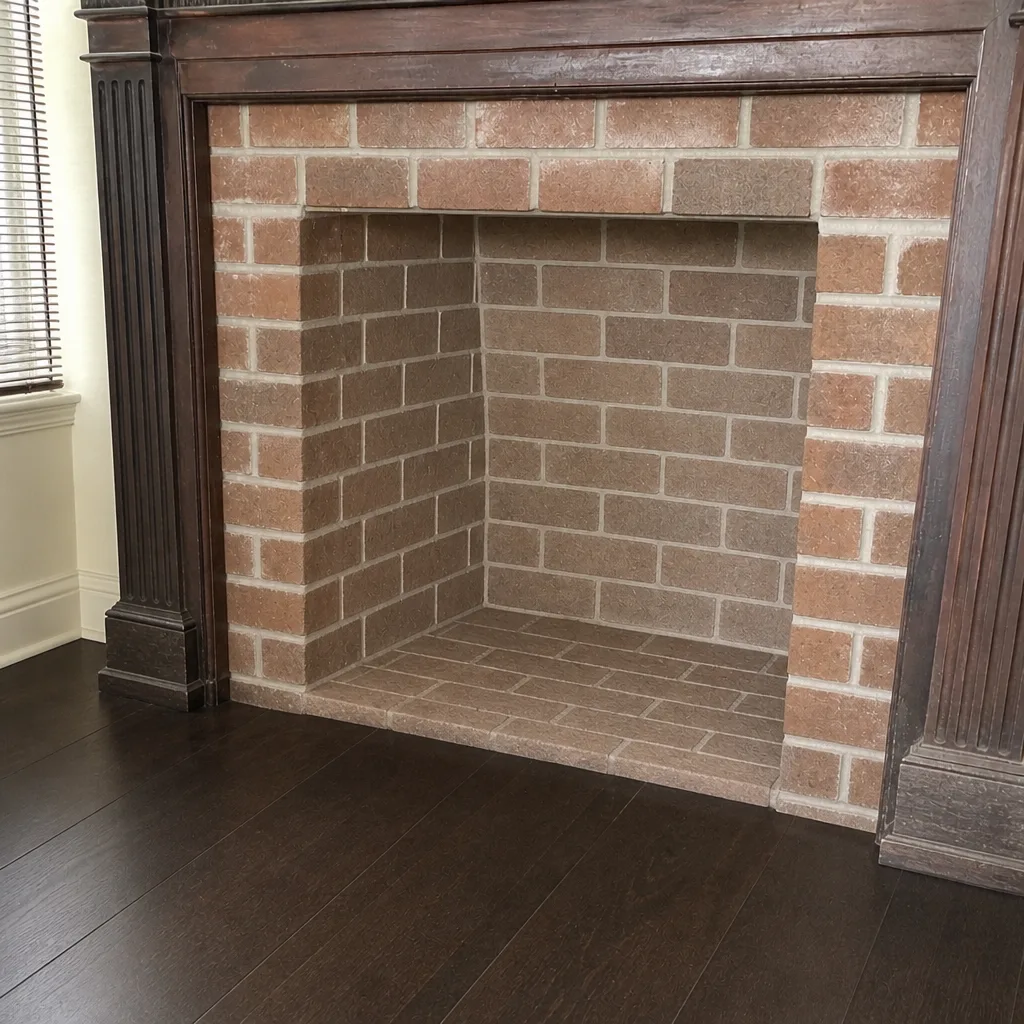
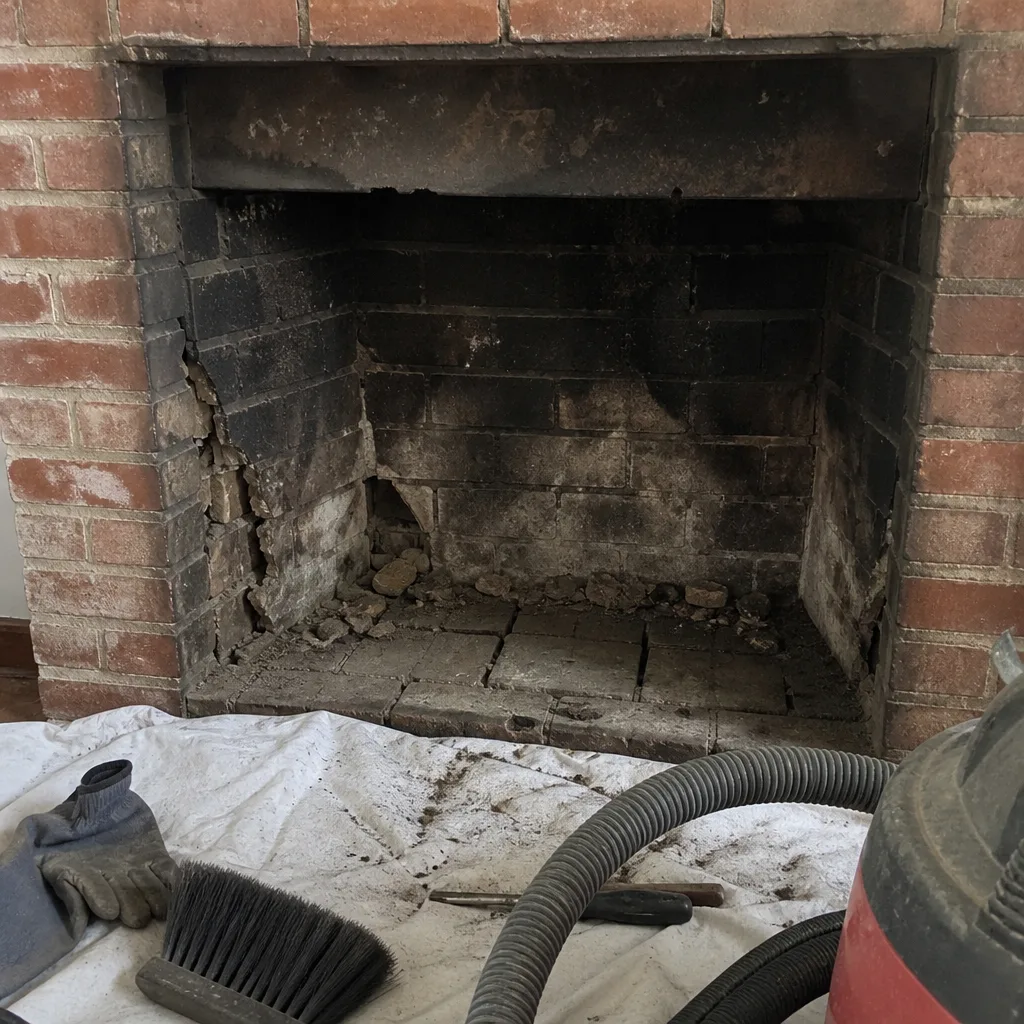
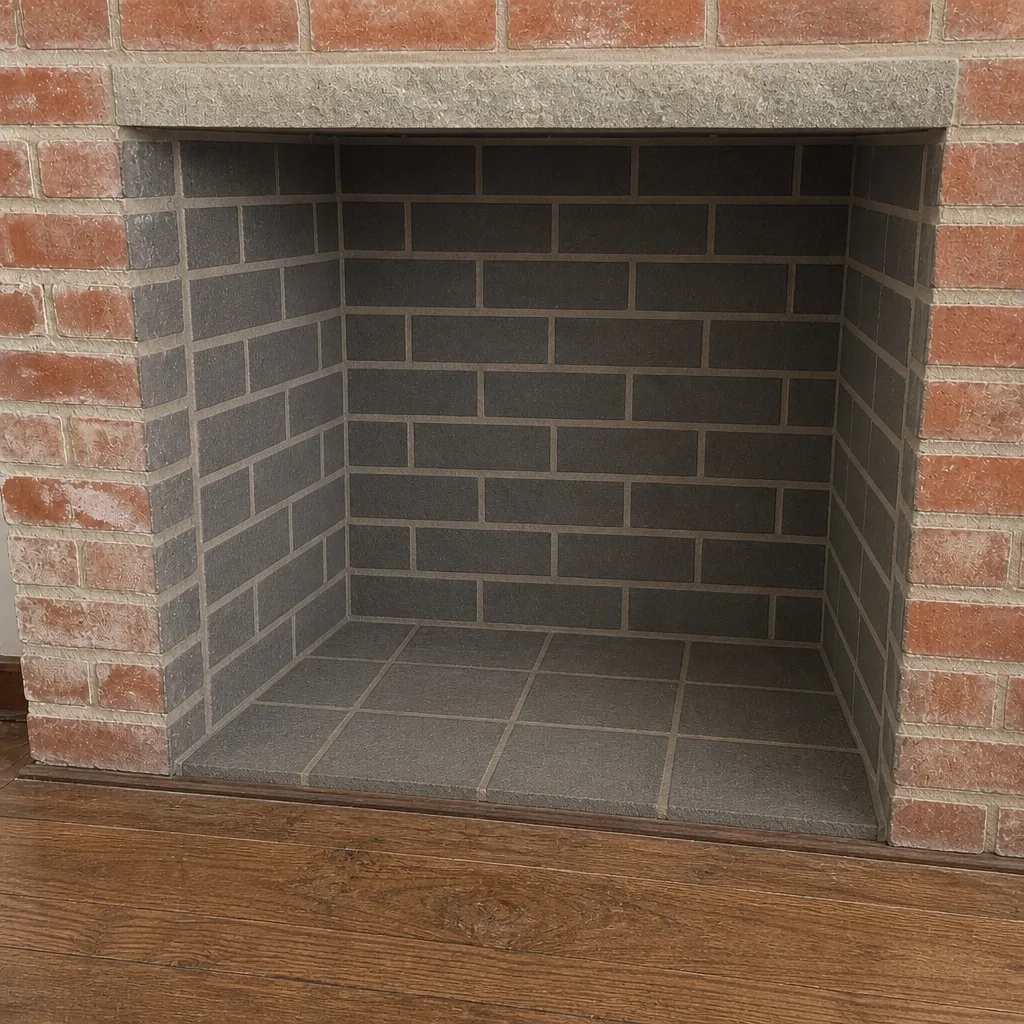
See the difference
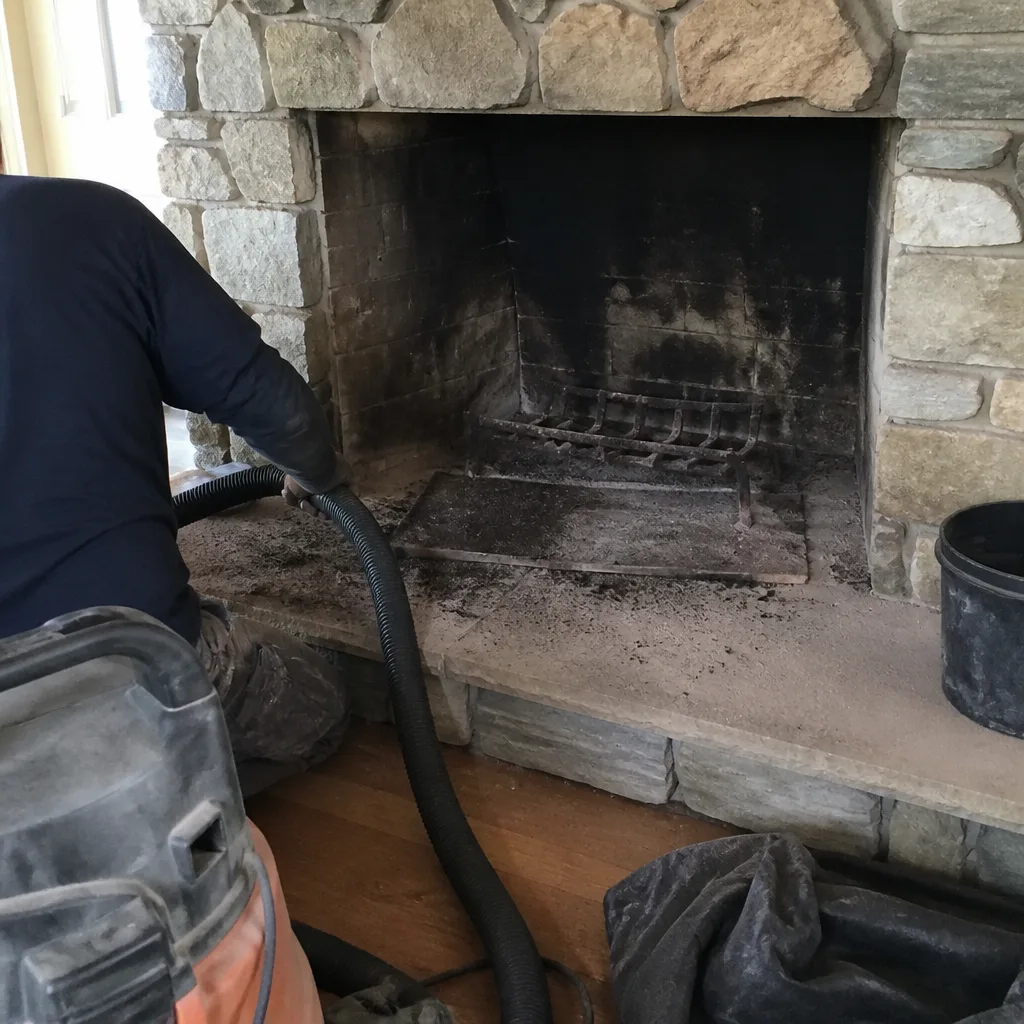 Before
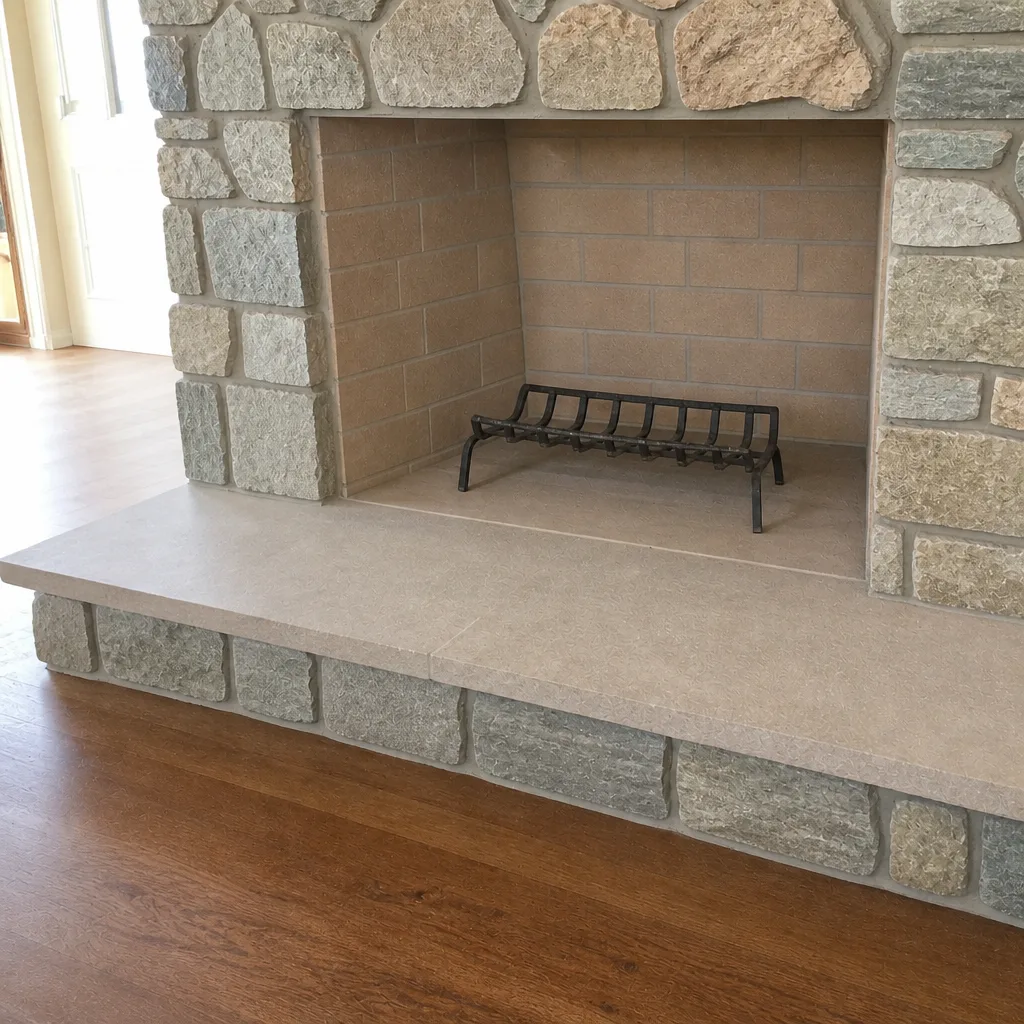 After
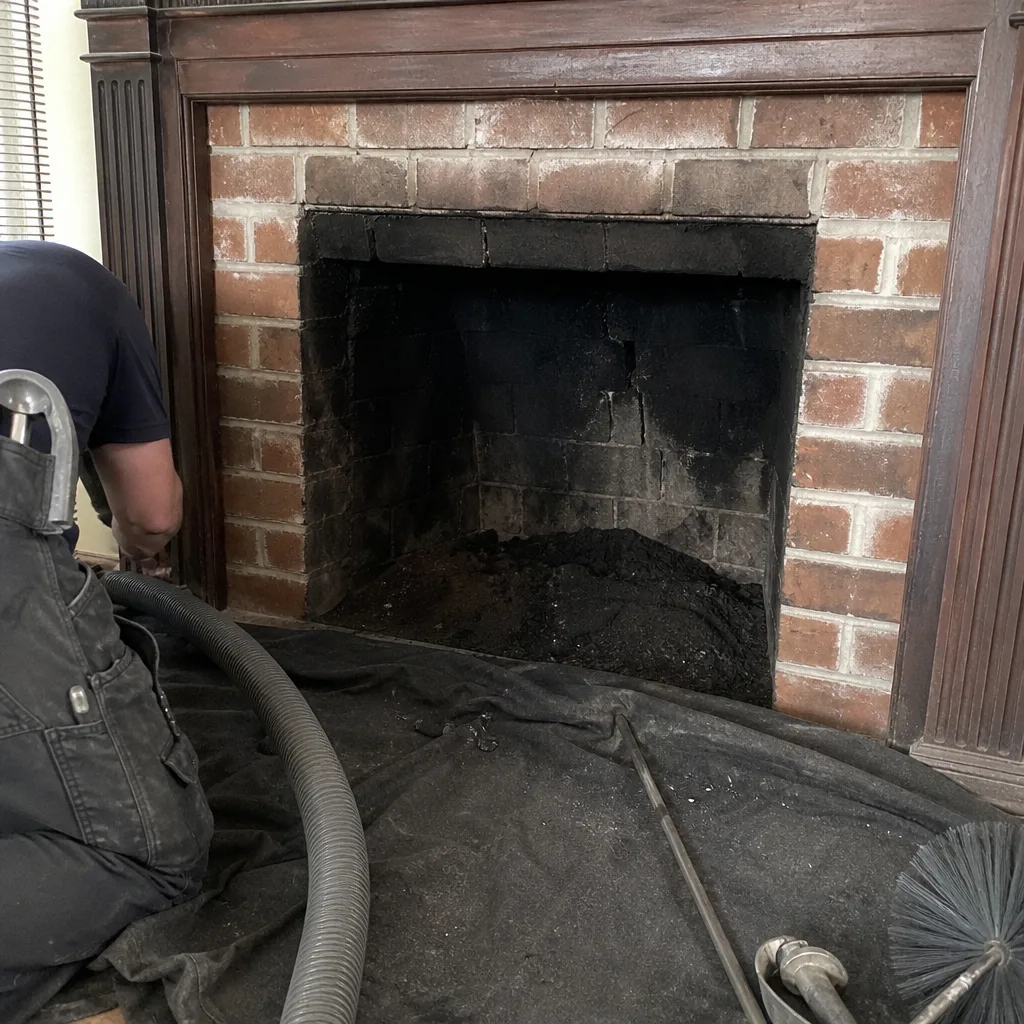 Before
 After
 Before
 After
When to Call a Professional
Some problems can wait for the September sweep; others shouldn’t. Call a professional if you smell smoke inside the house when the fireplace isn’t lit, if smoke backs into the room instead of going up the flue, if you see water stains on the chimney or ceiling, if you notice pieces of tile or debris in the firebox, or if you’ve had a chimney fire of any size. A strong creosote odor, a flue that’s harder to light than it used to be, or a dryer that’s taking longer to dry clothes are all signs to move the inspection up rather than wait. Anything that changes the appliance or the fuel type also warrants a call. Belmont Chimney Cleaning offers free estimates in Portland. Call (866) 413-9023. We answer 24/7. Fast dispatch from 7am to 7pm, Sunday through Friday.
Frequently Asked Questions
Once a year for most wood-burning fireplaces, ideally in September before the burn season starts, plus an annual Level 1 inspection. Gas and pellet appliances can usually go one to two years between inspections depending on use. The interval is really set by your fuel and how often you burn, not by a fixed rule. Call (866) 413-9023 for an exact recommendation on your setup.
Gas fireplaces don’t need a creosote sweep, but they do need inspection, usually every one to two years. Gas leaves corrosive residue that can damage the flue over time, and the insert’s burner and venting should be checked. Skipping it lets a slow problem go unnoticed. Call (866) 413-9023 if you’re not sure when your gas insert was last inspected.
A Level 1 is the standard annual check of the readily accessible parts of the chimney. A Level 2 goes further and includes a video camera inspection of the flue, and it’s called for when you’ve moved into a new home, changed the fuel or appliance, had a chimney fire, or noticed symptoms like smoke backing up. If your fireplace’s history is unknown, assume you need the Level 2. Call (866) 413-9023 to talk through which one fits.
Every one to two years for a typical household, annually for a large family or heavy laundry use, and more often for long or complex vent runs. Any dryer that’s taking longer to dry clothes or feeling hot is overdue. Adding it to your chimney appointment keeps both systems on the same schedule. Call (866) 413-9023 to book both in one visit.
Start with a Level 2 inspection with a video camera, and treat the dryer vent as overdue too. That gives you a documented baseline so future visits have something to compare against. From there, settle into an annual September sweep. Call (866) 413-9023 and we’ll set up the first assessment.
You can, but the schedule exists so problems get caught small. A hairline crack in a flue tile is a minor fix; a failed liner is a major one, and carbon monoxide is the risk you can’t see. A routine annual sweep and inspection is the cheap way to stay ahead of both. Call (866) 413-9023 for a free estimate before something forces the issue.
The Bottom Line
The right chimney schedule is built around your fuel, your burn frequency, and Portland’s wet season, not a blanket annual rule. Wood-burning fireplaces get an annual September sweep and Level 1 inspection; gas and pellet appliances go one to two years depending on use; any change in fuel, appliance, or known problem calls for a Level 2 with a video camera. Your dryer vent runs on its own parallel cycle every one to two years. Book in September to be ready before the fires, not after. And when an inspection finds a repair, choose a company that can fix it with the right materials, not one that hands you off.
At Belmont Chimney Cleaning, we handle the sweep, the dryer vent, and any repair under one roof, using professional-grade materials like DuraFlex and HeatShield rather than big-box substitutes. We’re proud to serve homeowners throughout Portland, and our technicians have up to 9 years of experience. If you’re ready to build a maintenance schedule around your actual fireplace, call (866) 413-9023 for a free estimate. We answer 24/7. Fast dispatch from 7am to 7pm, Sunday through Friday.
Written by the team at Belmont Chimney Cleaning.