
Last updated November 14, 2026
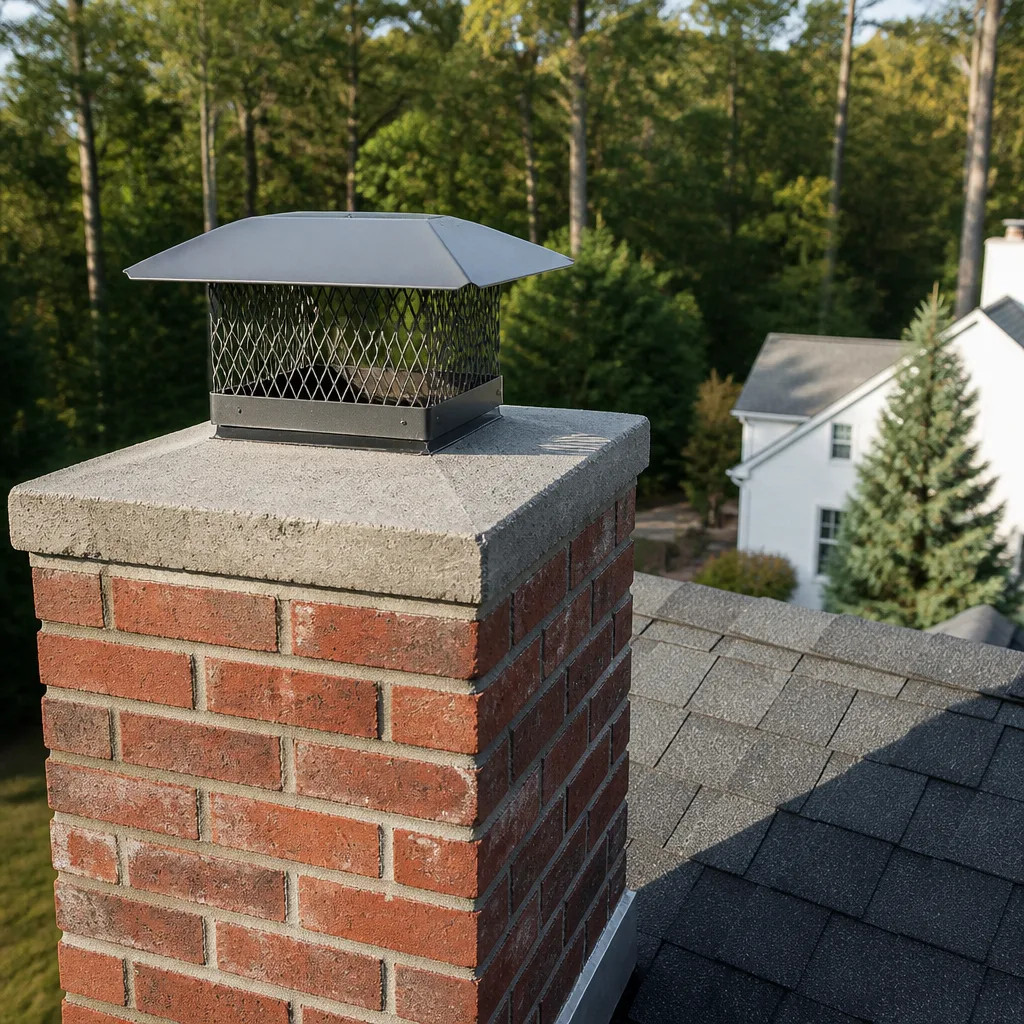 Sweep & inspection
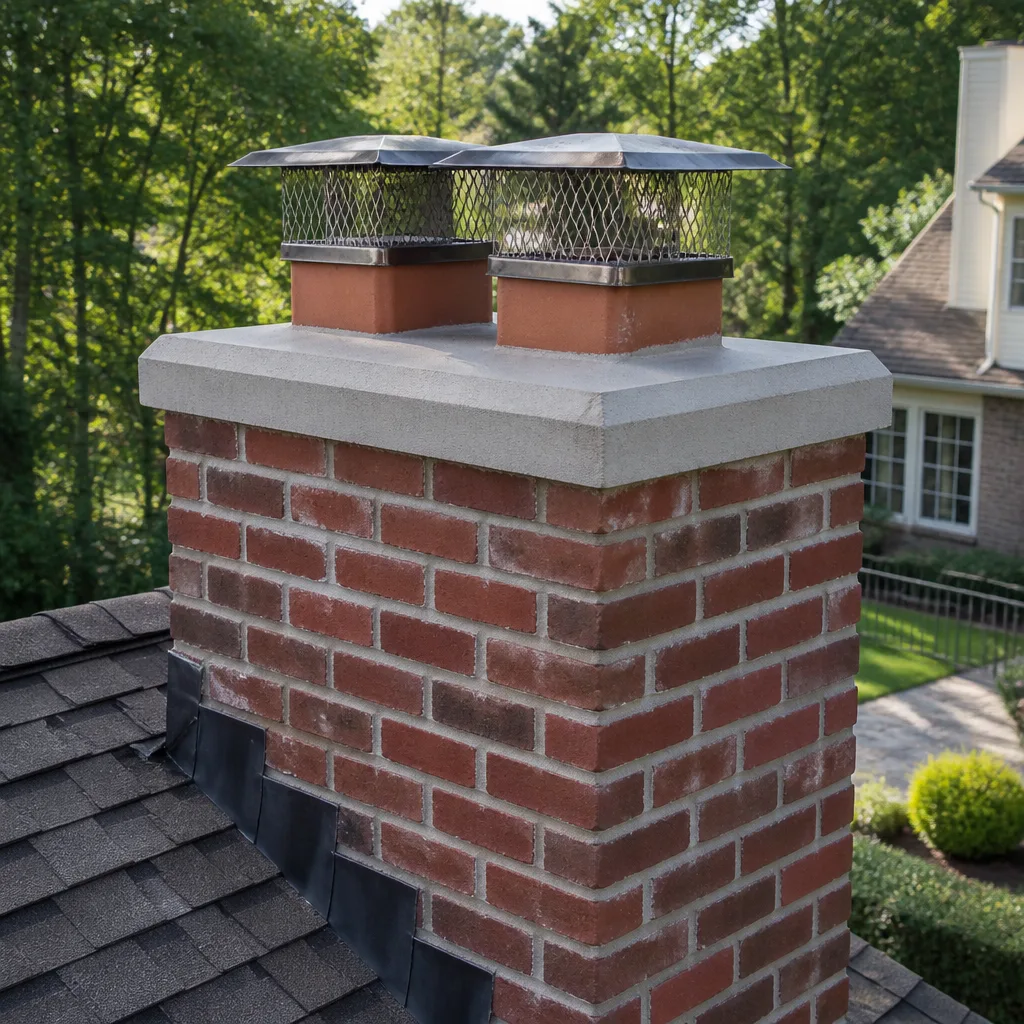 Caps & crowns
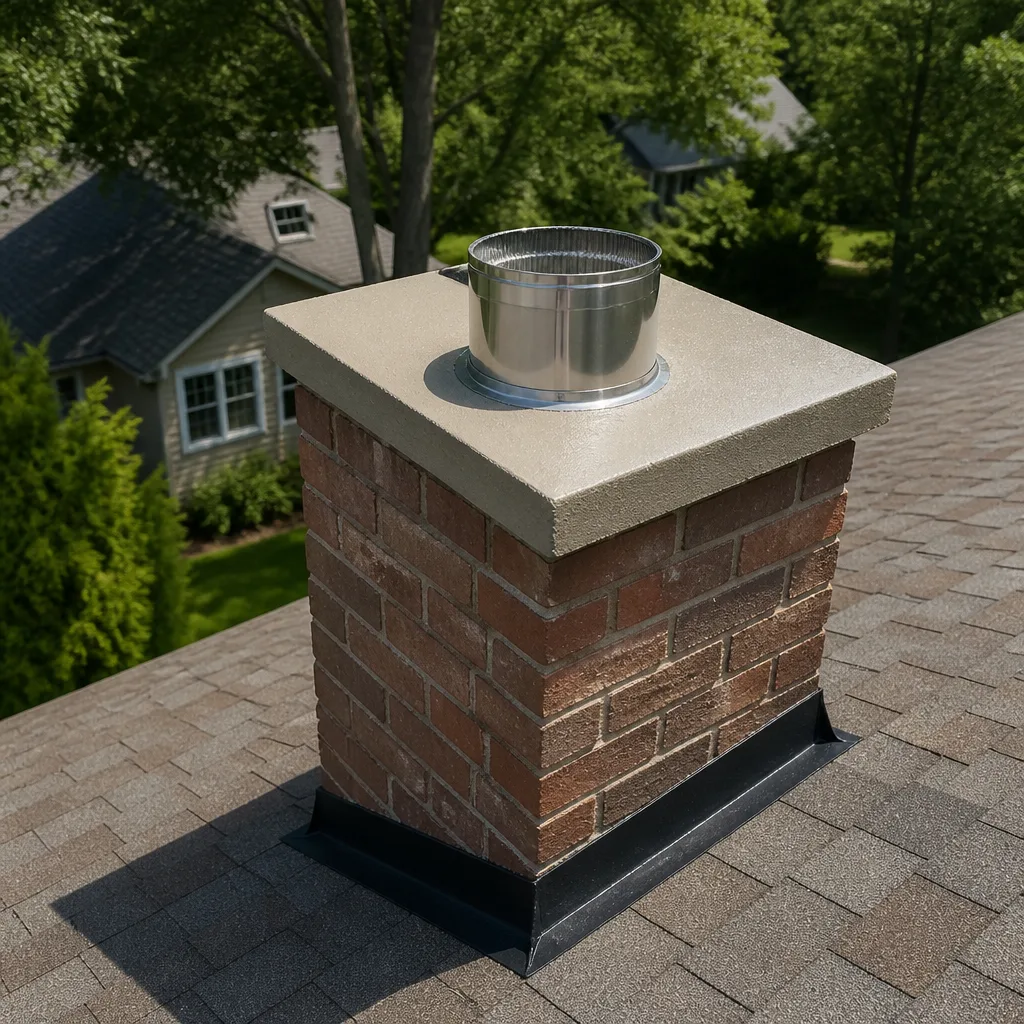 Flue relining
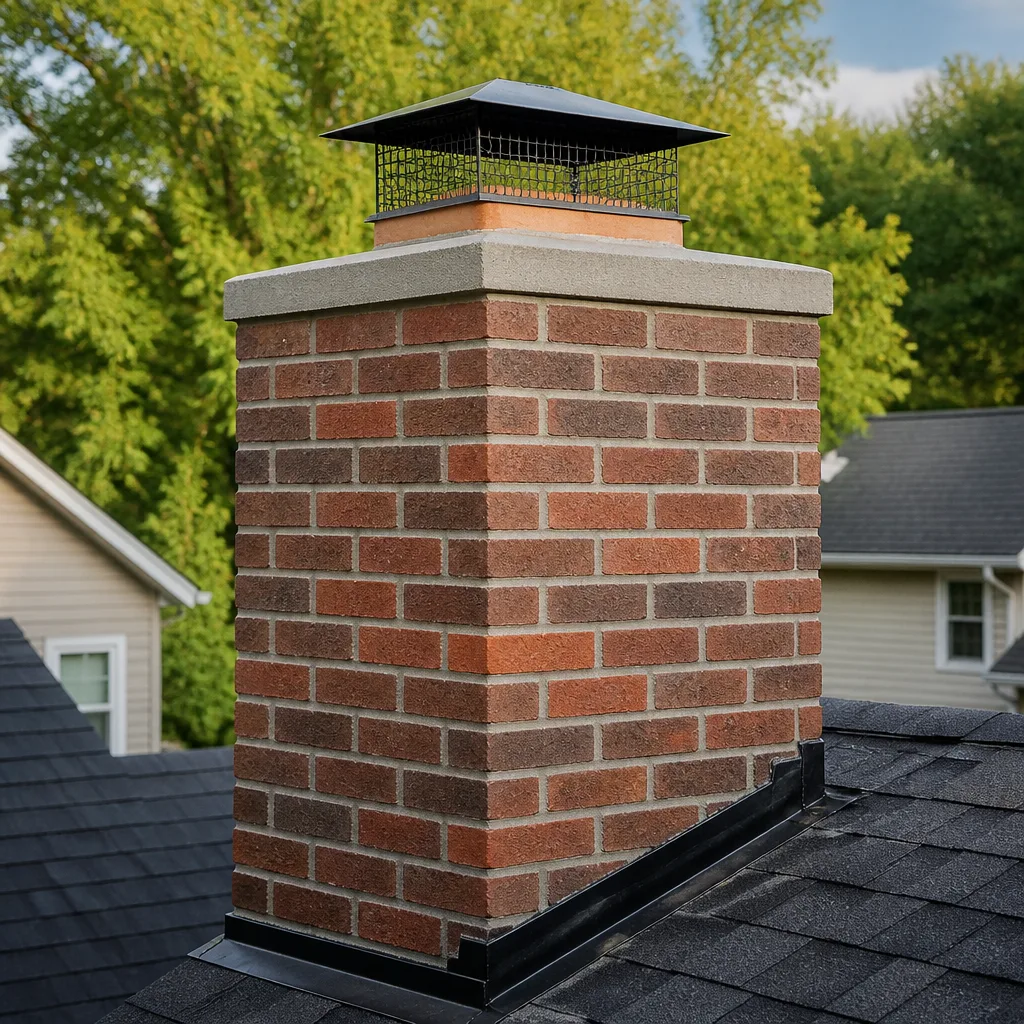 Masonry repair
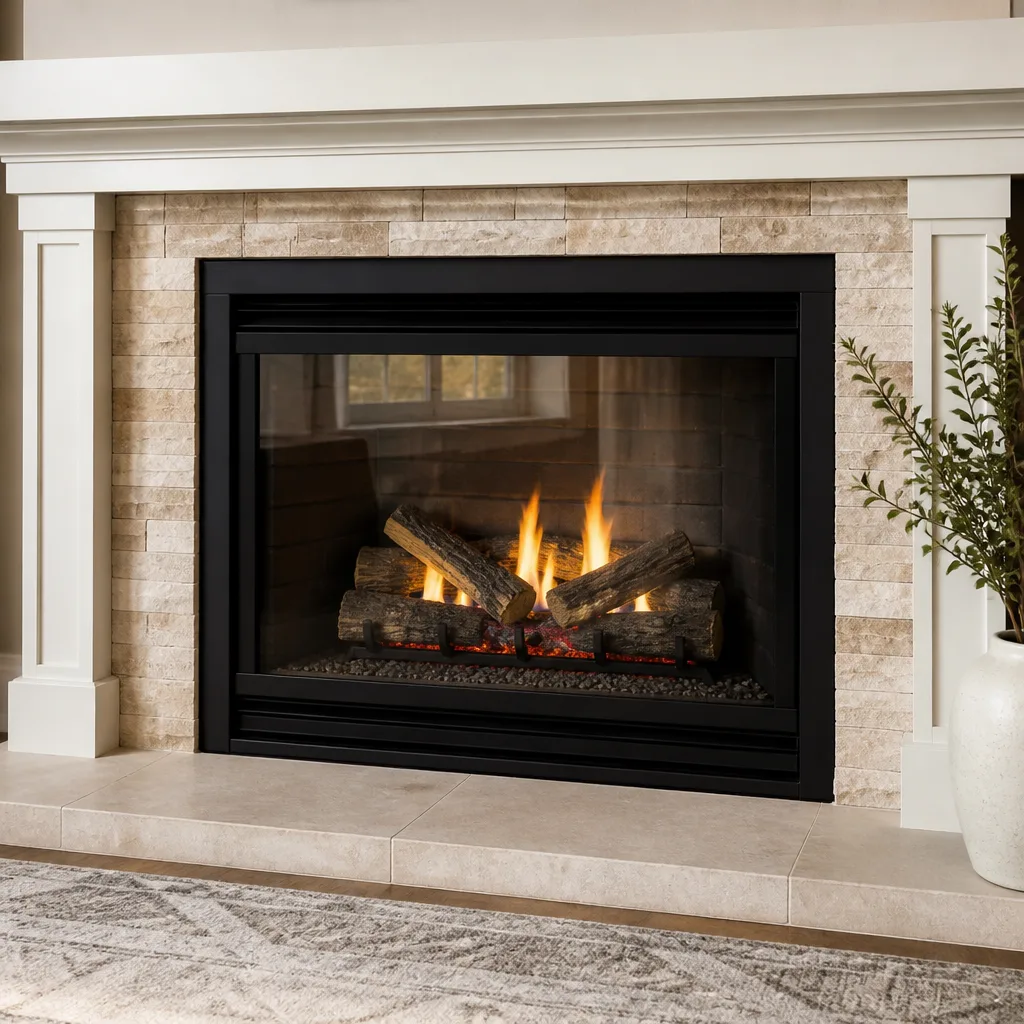 Gas fireplace service
Level 1 sweep and inspection to the NFPA 211 annual standard - flue, crown, cap, and flashing checked and photographed
Chimney sweep logs do not sweep chimneys. They loosen some creosote - which then falls where a brush and vacuum still have to collect it.
Chimney Sweep Troubleshooting in Portland: Common Problems and How to Fix Them
If your fireplace smokes into the room every time it rains, the problem probably isn’t your damper. In Portland, the culprit is usually a wet flue meeting negative house pressure, and cracking a window an inch can tell you more in ten seconds than a phone call to a sweep. Most chimney complaints we hear aren’t mysteries. They’re symptoms with a root cause, and that cause is diagnosable long before it becomes a structural or safety emergency. This guide teaches you to read those symptoms: smoke rollback, persistent odors, lazy drafts, rust stains on the damper. You’ll learn to tell a draft problem from a blockage from an appliance fault, know which checks you can safely do yourself, and recognize the visual signs that mean troubleshooting is over and real repair has begun.
Quick Answer
Most Portland chimney problems fall into one of three buckets: airflow (draft), obstruction (blockage), or combustion (the appliance or the house itself). Smoke rolling into the room on rainy days usually points to a cold, damp flue and negative pressure in a tightly sealed house, not creosote buildup. Persistent sour odors are often damp soot and creosote reacting with moisture. A lazy, weak draft can be a blockage, a too-short flue, or a pressure imbalance. Only an inspection with a camera and a clear view of the flue can confirm which one you’re dealing with, and that inspection is what tells you whether you need a sweep, a repair, or no work at all yet.
Styles & brands we work with
- Sweep & inspection
- Caps & crowns
- Flue relining
- Masonry repair
- Gas fireplace service
Table of Contents
- Why Does My Fireplace Smoke Into the House in Portland?
- Draft, Blockage, or Combustion: Telling Them Apart
- How Portland Rain Creates Odors and Downdrafts
- Negative Pressure in Portland’s Older Housing Stock
- The Systematic Inspection: What a Sweep Should Check
- Visual Signs That Mean Structural Repair, Not Sweeping
- When a DIY Check Is Appropriate (and When It Isn’t)
- Dryer Vents: The Other Troubleshooting Problem
Why Does My Fireplace Smoke Into the House in Portland?
Smoke rolling into the room is almost never random. It’s pressure telling you something. When a fire burns, it needs air to come in from somewhere, and it needs the flue to carry exhaust up and out. If either half of that equation is off, smoke finds the path of least resistance, which is your living room. In Portland, the two most common triggers are a cold, rain-dampened flue that won’t establish an upward draft, and a house that’s sealed tightly enough that the fire is starved for makeup air.
Here’s how to read what you’re seeing:
- Smokes only at startup, then settles: a cold-flue problem. The flue needs to warm up before it draws. A pre-warm technique (a rolled newspaper held near the damper, not in the firebox) sometimes gets you over the hump.
- Smokes the whole burn, especially on wet days: draft failing against moisture and outdoor pressure. The flue is cold and the house is pulling air down it.
- Smokes when a bathroom fan, kitchen hood, or dryer runs: classic negative pressure. The house exhaust fans are winning the air fight, and the chimney loses.
- Smokes only when the wind hits a certain direction: a termination or height problem. The chimney cap or flue top isn’t clearing the roofline or nearby trees.
In our experience across Portland, a surprising share of “chimney problems” turn out to be house-pressure problems. That’s good news: it means the chimney itself may be fine, and the fix is about balancing the house, not rebuilding anything. But you need to rule out the chimney before you go adjusting your house. A blocked or damaged flue that can’t draw will look identical from the sofa.
Draft, Blockage, or Combustion: Telling Them Apart
Before you call anyone, you can narrow the problem down to one of three categories. This is the single most useful diagnostic step a homeowner can take, because it tells you what kind of specialist to involve and how urgently. Here’s how to tell them apart.
- Draft problem (airflow). The flue is open and clear, but air moves the wrong way or too slowly. Symptoms: smoke at startup, smoke in wet weather, smoke when exhaust fans run, weak flames, a fire that’s hard to keep going. Often tied to a cold flue, a flue that’s too short, or negative house pressure.
- Blockage problem (obstruction). Something is physically in the way. Symptoms: smoke that won’t clear no matter how hot the fire, a smell of soot even when there’s no fire, birds or nesting material visible or audible, a draft that’s dead calm rather than actively pushing back. Cause is usually creosote buildup, a fallen liner tile, a nest, or a collapsed cap.
- Combustion problem (appliance-side). The chimney may be fine but the appliance isn’t burning right. Symptoms: a fire that smolders, excessive smoke from the fuel itself, a wood stove that won’t heat, soot on the glass, or a gas appliance showing incomplete combustion signs. This needs an appliance technician, not a sweep.
One test helps sort these quickly. On a cold morning, hold a lit match or a thin ribbon of tissue near the open damper with no fire going. If the smoke or tissue pulls up and out, your flue has draw and the problem is likely house pressure or startup. If it hangs flat or pushes down into the room, you’ve got a blockage or a serious draft failure, and it’s time to stop troubleshooting and book an inspection. Never test this in a space where gas is present or where you smell gas.
How Portland Rain Creates Odors and Downdrafts
Portland’s wet winters are hard on chimneys in ways homeowners here misdiagnose constantly. The most common misdiagnosis is “we must have a creosote problem,” when the real issue is moisture. When a masonry chimney soaks up rain through a cracked crown, a missing cap, or unsealed mortar, that water migrates into the flue and into the soot and creosote lining it. Damp soot and creosote give off a sharp, sour, campfire-gone-wrong odor that’s strongest right after rain and when the house is closed up.
That moisture does three things you’ll notice:
- It kills the draft. A damp flue is a cold flue, and a cold flue won’t pull warm exhaust up and out. Fires are sluggish, smoke hangs, and downdrafts push odors into the room.
- It accelerates damage. Freeze-thaw cycles on saturated masonry spall the mortar and brick, and rust the damper plate. Interior Portland homes see plenty of wet-dry cycling through the winter.
- It creates odor even without a fire. The smell isn’t coming from burning wood. It’s off-gassing from wet deposits, and it’s a signal, not an emergency.
The fix for moisture-driven odor usually starts with the top of the chimney: a proper cap, a sound crown, and sealed masonry. From there, a cleaning removes the soaked deposits that hold the smell. If the flue tiles themselves are cracked, that’s where resurfacing comes in, and it’s why we work with HeatShield to restore a deteriorated flue from the inside rather than tearing into a chimney that may still have good structure. Rain is a big part of why chimneys fail in Portland, and the top-down check is where troubleshooting should begin.
Negative Pressure in Portland’s Older Housing Stock
Portland has a lot of pre-1970 houses, and many have been remodeled and tightened up over the decades: new windows, added insulation, weatherstripping, sealed attic hatches. Those improvements cut heating bills and drafts, but they also cut the accidental air leaks that old houses relied on. The result is a house that’s so well sealed the chimney can’t get enough makeup air, which shows up as smoke rollback, downdrafts, and a fire that burns poorly no matter how dry the wood is.
This is the part homeowners find hardest to accept: a sweep can clean a chimney perfectly, but no sweep can fix negative house pressure by cleaning. If your house is the problem, here’s what actually changes the balance:
- Crack a window near the fire a half-inch while burning and watch the smoke behavior. If it clears, you’ve confirmed negative pressure.
- Run a bathroom fan or kitchen hood and see if the fire reacts. Any reaction is a sign the house is fighting the chimney for air.
- Cover or seal a large basement or crawlspace opening to the firebox area if one exists; sometimes an old cleanout or appliance connection is pulling air down.
If a window test confirms it, a proper inspection should rule out a chimney-side cause first, then your options range from a dedicated makeup-air path to a correctly sized flue for the appliance. A flue that’s oversized for the fire you actually build is a draft problem too, because it never gets warm enough to pull hard. This is exactly the kind of thing a full-system look catches. We handle chimney sweep and repair together so the diagnosis doesn’t stop at “the flue is clean.”
The Systematic Inspection: What a Sweep Should Check
A real troubleshooting inspection is systematic, and you should be able to watch it happen or see the evidence afterward. Here’s the sequence a thorough check follows, top to bottom. If a technician skips the camera or just looks up from the firebox, ask questions.
- Crown and cap. Look for cracks in the crown, a missing or damaged cap, and anything that lets rain in. This is the first place Portland moisture problems start.
- Flue interior, with a camera. Creosote levels, cracked or spalling tiles, gaps at joints, and obstructions. You should see the photos.
- Smoke chamber and damper. Rust on the damper plate, a damper that won’t open fully, a smoke shelf packed with soot.
- Firebox. Cracks in the brickwork and missing mortar joints, which can let heat or gases reach the chimney structure.
- The venting connections. For wood stoves and inserts, the connector pipe and its draft behavior.
- House pressure test. A quick window- or fan-test to see whether the house itself is the culprit.
Ask for a camera inspection and a photo report, and expect the report to explain what was found in plain language, with photos you can look at on the spot. Anything recommended should come with evidence, not a sales pitch. And if nothing needs fixing, you should hear that, because not every chimney problem needs a repair.
Visual Signs That Mean Structural Repair, Not Sweeping
Troubleshooting ends and repair begins when you see structural evidence, and some of it you can spot yourself. These signs mean the problem isn’t just dirt or airflow; something in the flue or chimney body has failed and needs repair or relining.
- Liner cracks and gaps. Visible cracks in the tile joints, or pieces of tile visible in the firebox, mean the flue isn’t contained. Combustion gases and heat can reach the structure behind the liner, which is why a cracked flue is treated as a serious finding.
- Spalling mortar and brick. Crumbling or flaking on the exterior above the roofline, or icy patches and white staining on brick after a wet freeze. This is moisture damage that gets worse with every winter.
- Rust-stained damper plates. Rust on the damper or in the smoke chamber means sustained moisture, and it usually comes with a crown or cap failure.
- Soot around joints or a hot exterior. Soot escaping at the seams and heat on the chimney surface both point to a containment failure, not a creosote issue.
When you see these, the answer often isn’t more cleaning, it’s relining. If the flue is sound enough for resurfacing, we use HeatShield to restore the inside of the flue without a full rebuild. If the original liner needs replacement, we use professional-grade liners from DuraFlex and Olympia Chimney, the same brands professional chimney shops specify rather than generic hardware-store parts. We come prepared to fix what we find, not just report it. For a wider look at our services, see Belmont Chimney Cleaning.
When a DIY Check Is Appropriate (and When It Isn’t)
You can safely do some troubleshooting yourself, and doing it early helps you describe the problem accurately and know how urgently you need help. The line is safety. A simple look with a flashlight, a match test, and a window test are fine. Touching the flue interior, cleaning the liner, or opening anything on a gas appliance is not.
Reasonable DIY checks:
- Look up at the firebox and smoke chamber with a bright flashlight. If you see heavy creosote or a clear obstruction, stop and call.
- Run the match test or tissue test at the damper with no fire lit.
- Crack a window and run a fan to confirm negative pressure.
- Check the cap and crown from the ground with binoculars.
Do not go on the roof, do not pull a damper apart, do not attempt to clear a blockage from below with a tool or brush, and do not open a gas appliance. Your safety matters here. Creosote is the fuel for chimney fires, and it can ignite without warning once it’s built up to a certain level. It’s also toxic and irritating to handle. A trained pro is not just faster; they’re insulated from the hazards of this work, and they’ll bring a camera you don’t have. If you’re not sure what you’re looking at, that’s the answer: stop and book the inspection. That’s the honest boundary. And if you’re wondering whether work can safely wait, a photo report tells you, and we’ll say so when it can.
Dryer Vents: The Other Troubleshooting Problem
Chimneys aren’t the only vent in the house that fails quietly. Dryer vents share the same risk profile. Lint and creosote are both fire fuels, and a clogged dryer vent is a documented leading cause of home dryer fires. In Portland, where vents run through cool wall cavities and sometimes long, flexible runs, lint accumulates faster than homeowners expect. The warning signs are simple: clothes take longer than one cycle to dry, the dryer heats up more than it used to, the exterior vent flap doesn’t open fully, or lint is visible around the vent opening.
Add a vent check to your troubleshooting routine, especially if the dryer has been running hard this winter. Our dryer vent cleaning uses the same camera-based approach as the chimney side, so you see the evidence, not just a claim. One call covers your sweep, your dryer vent, and any repairs we find along the way.
Common Mistakes to Avoid
- Assuming every smoke problem is creosote. In Portland, the wet-stack effect and negative house pressure cause most smoke rollback, and a cleaning won’t fix them. Test the house pressure before spending money.
- Ignoring the smell of a damp chimney. The sour odor after rain is a moisture problem, and it won’t go away with air freshener. It usually means cap or crown work is needed.
- Running the exhaust fans with a fire going. Bath fans, kitchen hoods, and dryers all pull air from the house, and that can beat your chimney and push smoke into the room. Turn them off and see if the fire recovers.
- Buying a cheap cap or hardware-store liner. Generic parts fail faster than the professional-grade ones, and the labor to replace them costs more than doing it right the first time.
- Skipping the camera. A black-and-white look from below misses cracked tiles and gaps. Ask for the camera and the photos.
- Treating a cracked flue as a cleaning issue. If the tiles are cracked, cleaning won’t contain the gases. That’s a relining job.
- Forgetting the dryer vent. Lint is the same fire-fuel risk as creosote, and most homeowners never think to look at the outside vent.
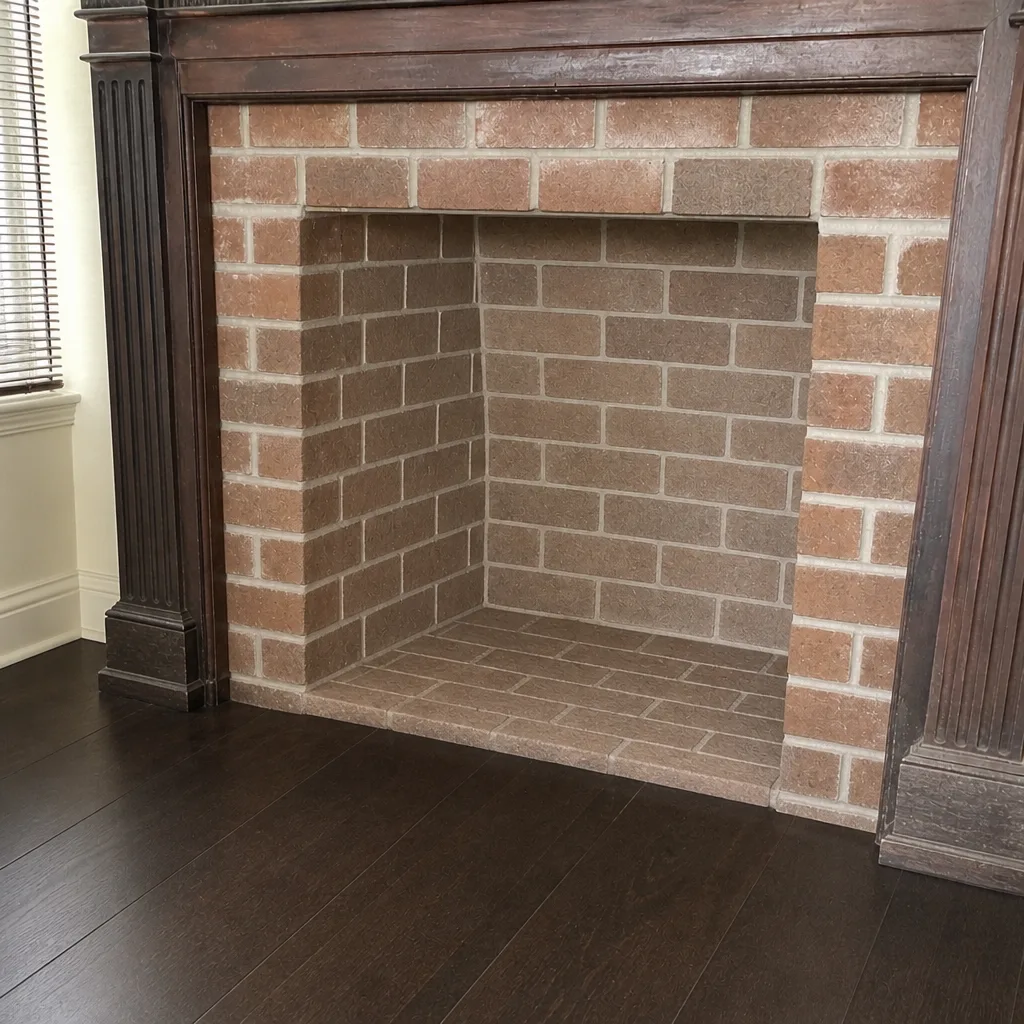
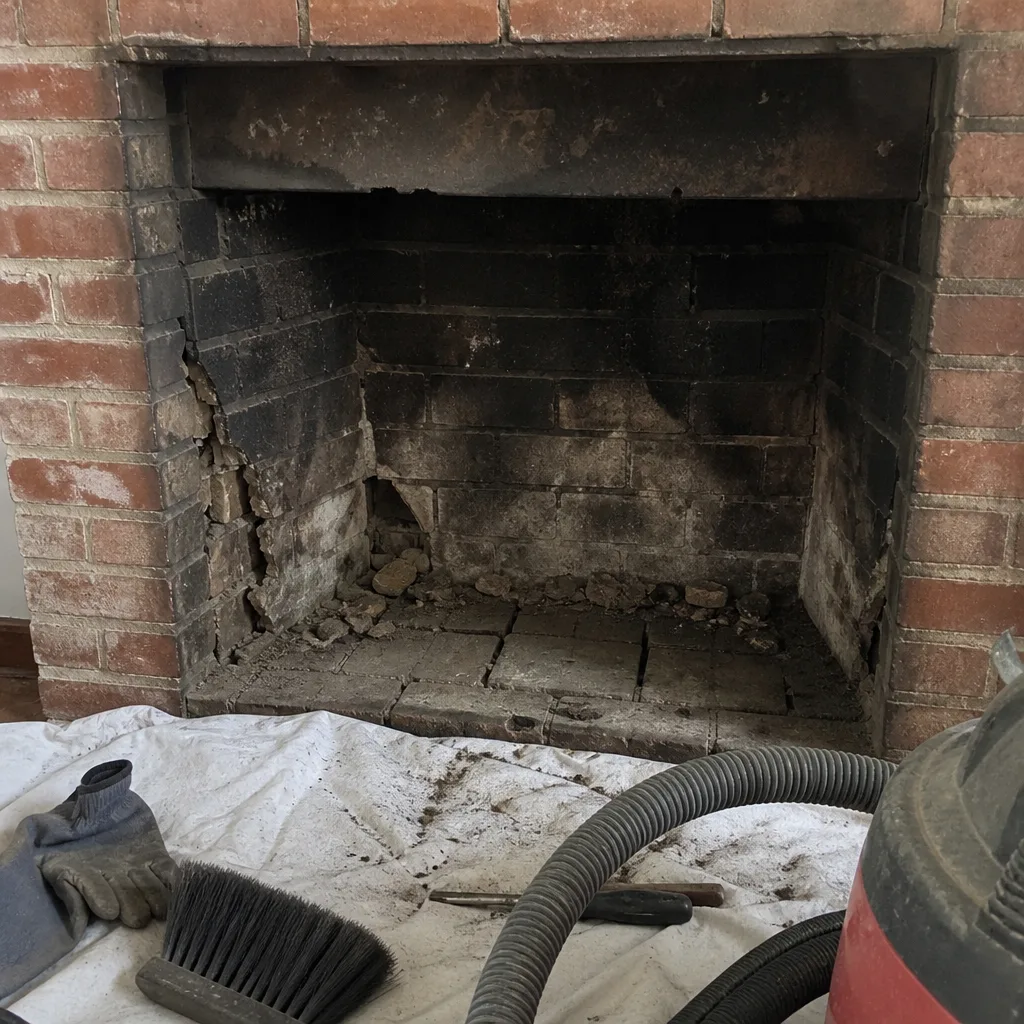
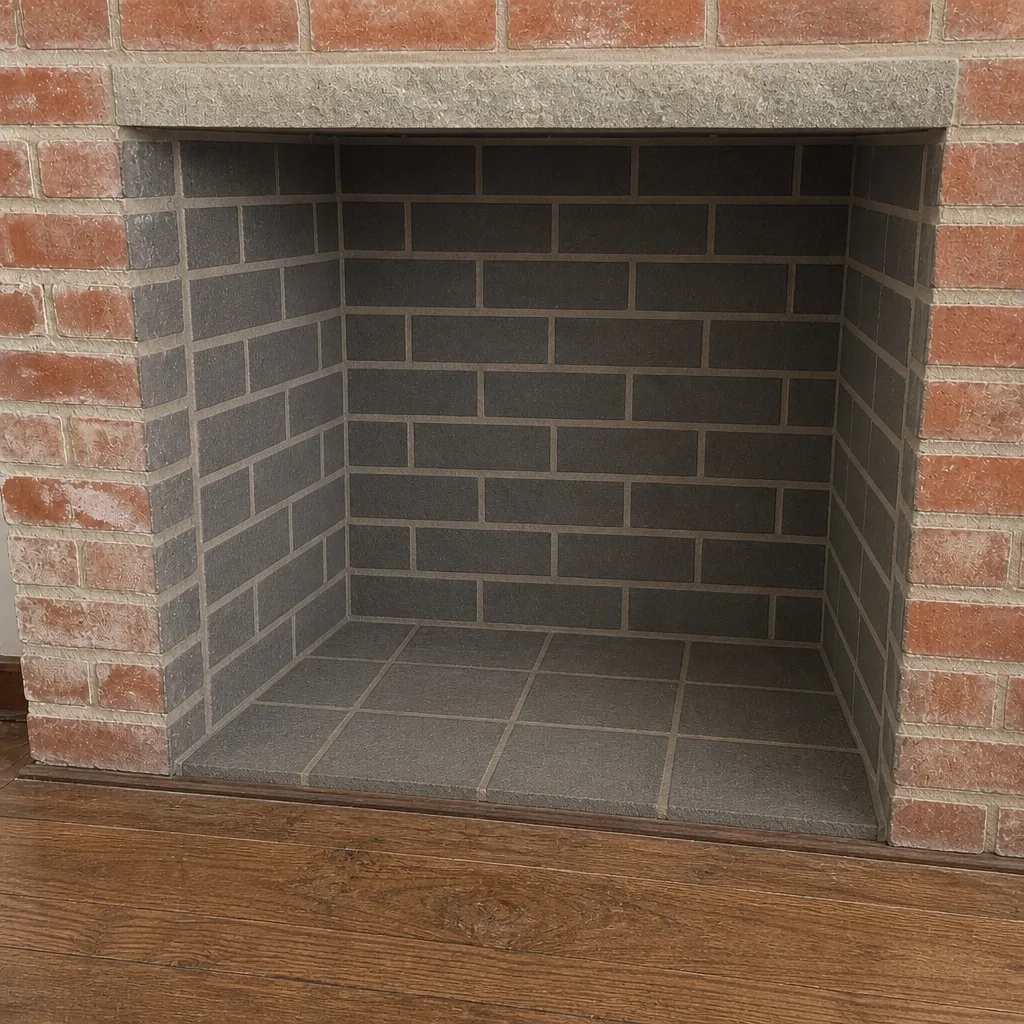
See the difference
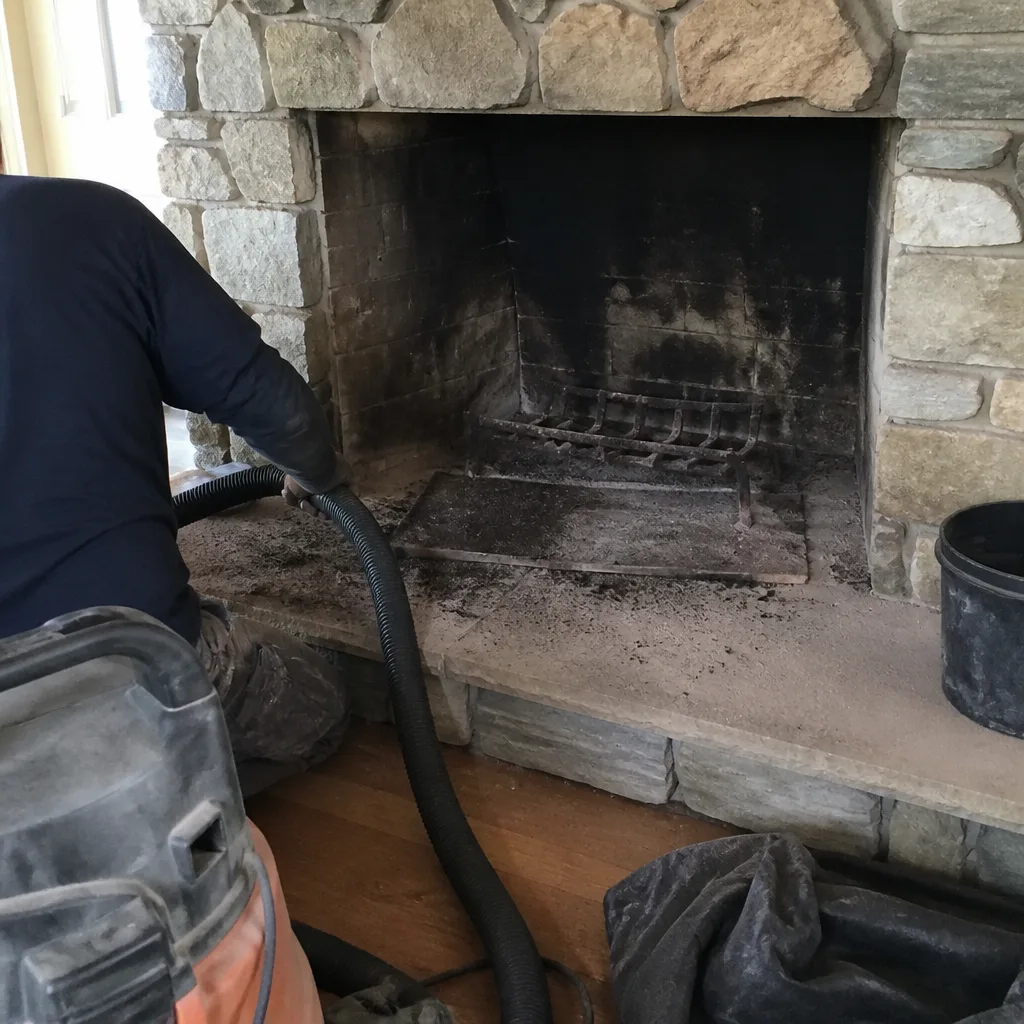 Before
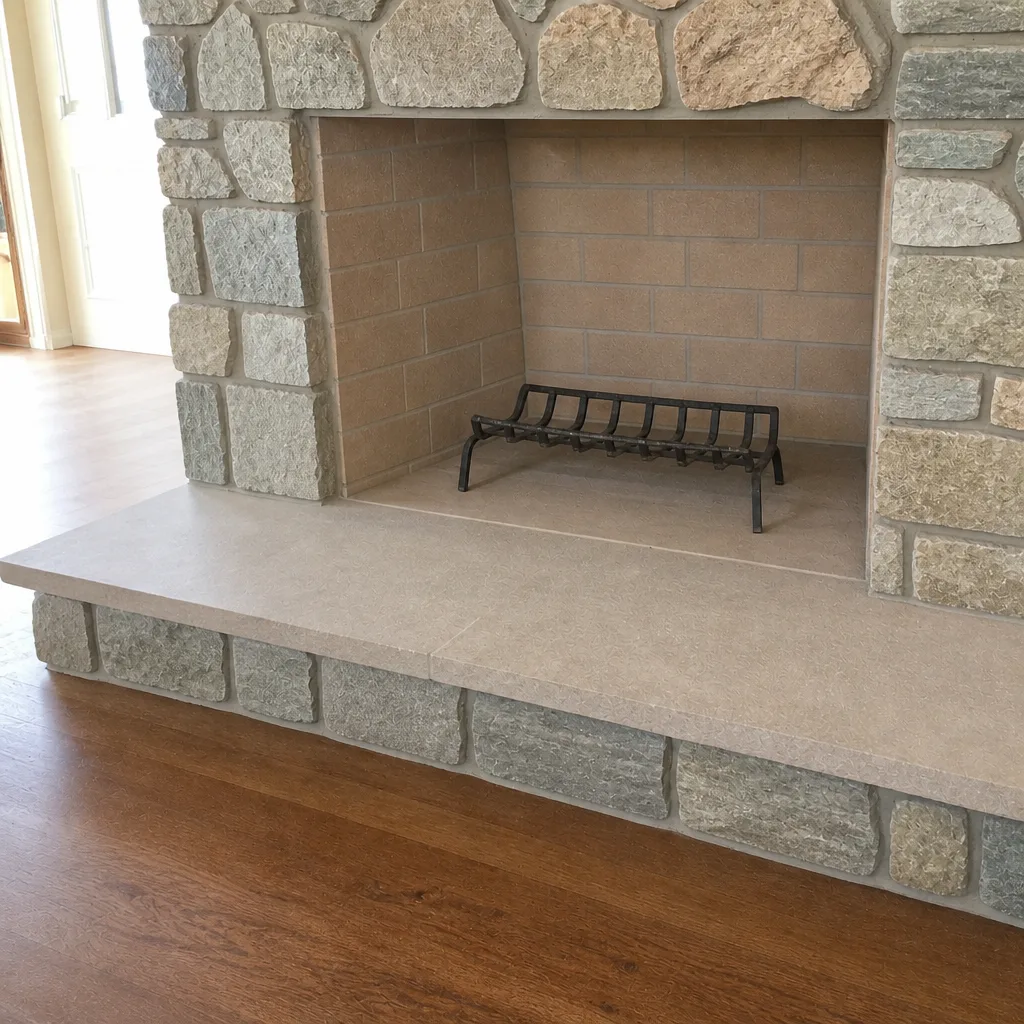 After
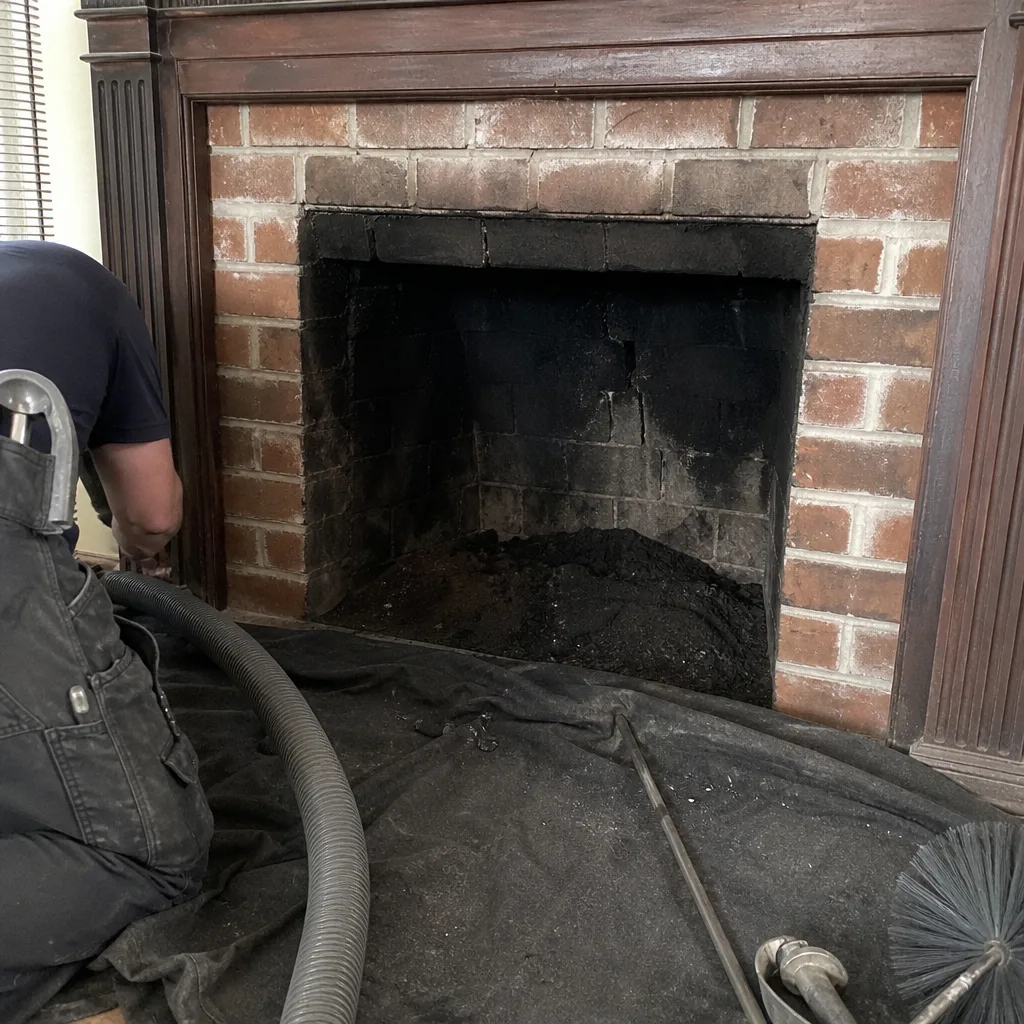 Before
 After
 Before
 After
When to Call a Professional
Call a professional when your match test shows the draft pushing back instead of pulling, when you see cracked tiles or spalling mortar, when smoke rolls in no matter how you build the fire, or when there’s a smell that won’t clear after the fire is out. Call sooner if you’ve never had the flue inspected with a camera or if your dryer is taking two cycles to dry a load. Belmont Chimney Cleaning offers free estimates in Portland, and we answer 24/7. Call (866) 413-9023, and we’ll bring the camera and a photo report so you see exactly what’s happening in your chimney, and exactly what we’d recommend. Fast dispatch from 7am to 7pm, Sunday through Friday. If you’re on the fence and your home is anywhere in the Portland area, a call costs nothing and gives you a real answer.
Frequently Asked Questions
It’s usually the wet-stack effect combined with negative house pressure. Rain cools and dampens the flue, so it can’t establish an upward draft, and a tightly sealed house pulls air down the chimney instead. Try cracking a window near the fireplace while burning. If the smoke clears, negative pressure is the problem and a window test confirms it. If it doesn’t clear, book a camera inspection to rule out a blockage or cracked flue. Call (866) 413-9023 for an exact quote, estimates are free.
A draft problem still has airflow, it’s just moving the wrong way or too slowly. A blockage has no useful airflow at all. The match test at the open damper tells you which: if smoke pulls up and out, you have draw and the issue is likely pressure or startup. If it hangs flat or pushes down, it’s a blockage or a serious draft failure. Call (866) 413-9023 for an exact quote, estimates are free.
Cleaning is not the right fix for a cracked or gapped liner. A camera inspection tells you for certain, and you should see the photos yourself. If the tiles are sound but the surface is deteriorated, HeatShield resurfacing can restore the flue without a rebuild. If the liner is cracked or failed, replacement with a professional-grade liner is the right call. Call us at (866) 413-9023 and we’ll show you the evidence behind any recommendation.
Yes, and in Portland’s pre-1970 houses that have been remodeled and tightened, it’s a frequent cause of smoke rollback. Bath fans, kitchen hoods, and a sealed house all compete with the chimney for air. A sweep can’t fix that by cleaning, so it’s important to test for it before recommending chimney work. Call (866) 413-9023 for an exact quote, estimates are free.
Persistent odor without a fire is usually damp soot and creosote absorbing moisture and off-gassing, or a blockage. It’s a sign to have the flue inspected and the deposits removed, not something to mask. A photo report will show what’s going on inside. Call (866) 413-9023 for an exact quote, estimates are free.
Most homes here need a sweep about once a year, and some need it more if you burn a lot of wood. The right interval depends on what the inspection finds, so ask for a camera check each time. Our technicians have up to 9 years of experience, and we’ll tell you honestly when work can wait. Call (866) 413-9023 for an exact quote, estimates are free.
The Bottom Line
Most chimney problems in Portland are diagnosable, not mysterious. The symptoms you’re seeing, whether smoke rollback, wet-weather odor, or a lazy draft, point to a cause you can narrow down before anyone touches the chimney. Separate the three categories: draft, blockage, combustion. Rule out house pressure early, because it’s the one cause a sweep can’t fix by cleaning. And know the structural signs, cracked tiles, spalling mortar, rust-stained damper plates, that mean it’s time for repair or relining rather than sweeping. The evidence should always be in front of you, in photos. A clean chimney isn’t just about performance, it’s about keeping combustion gases and fire risk where they belong: out of your home. One call covers your sweep, your dryer vent, and any repairs we find along the way. Call (866) 413-9023. We answer 24/7. Fast dispatch from 7am to 7pm, Sunday through Friday.
Written by the team at Belmont Chimney Cleaning.