
Last updated November 14, 2026
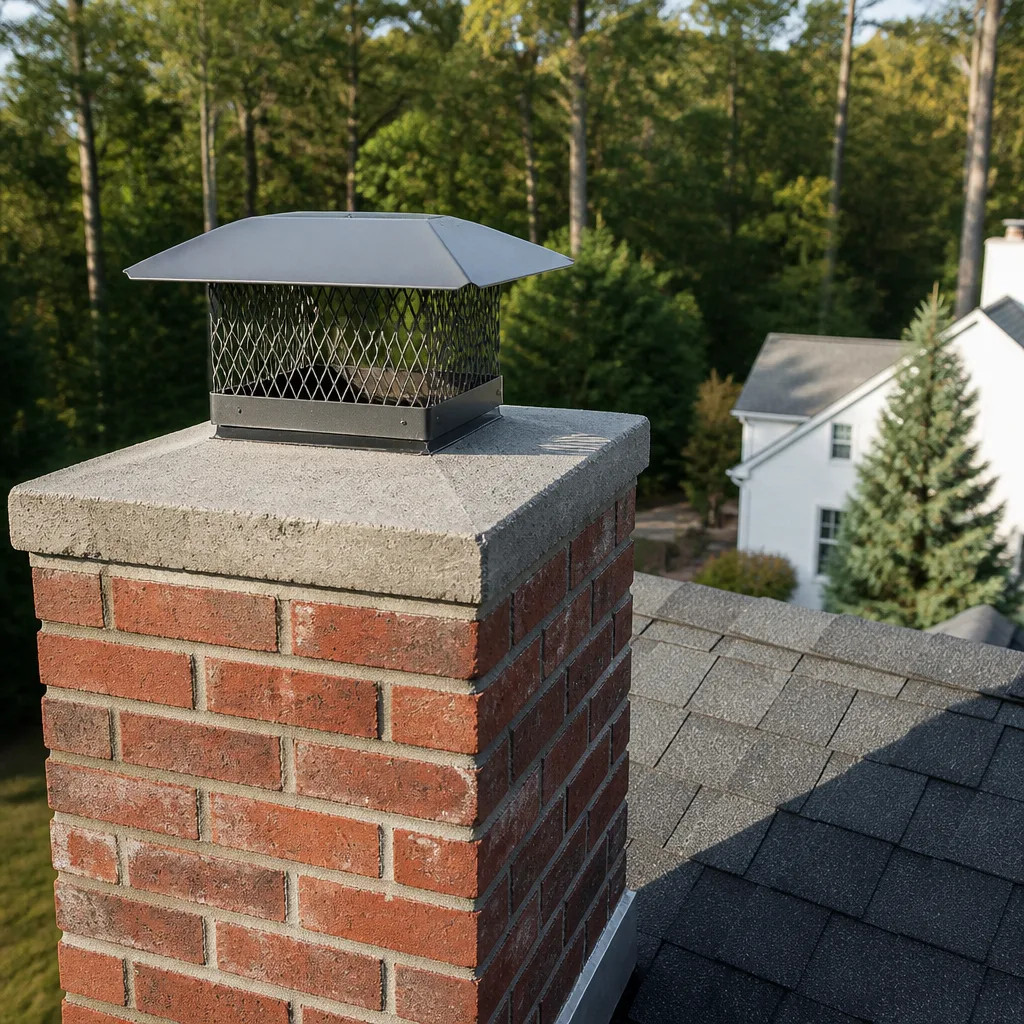 Sweep & inspection
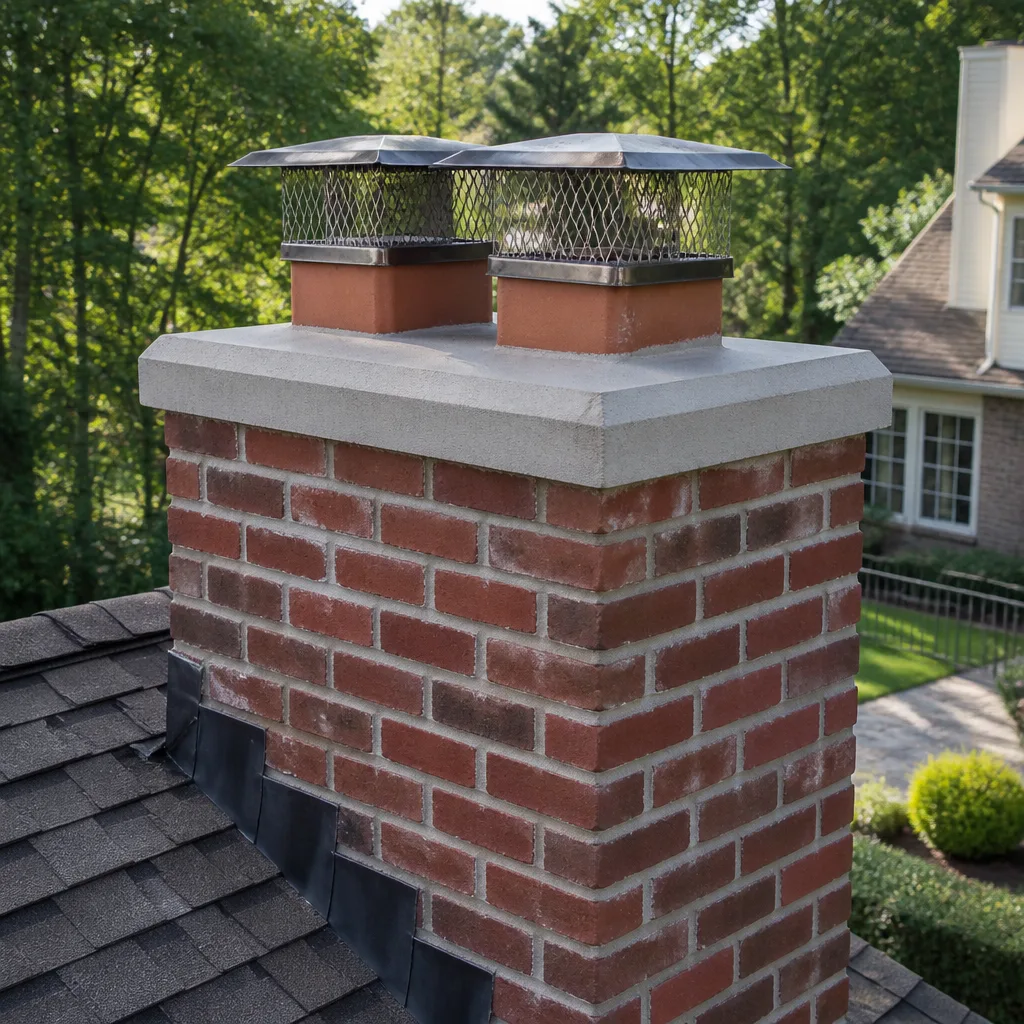 Caps & crowns
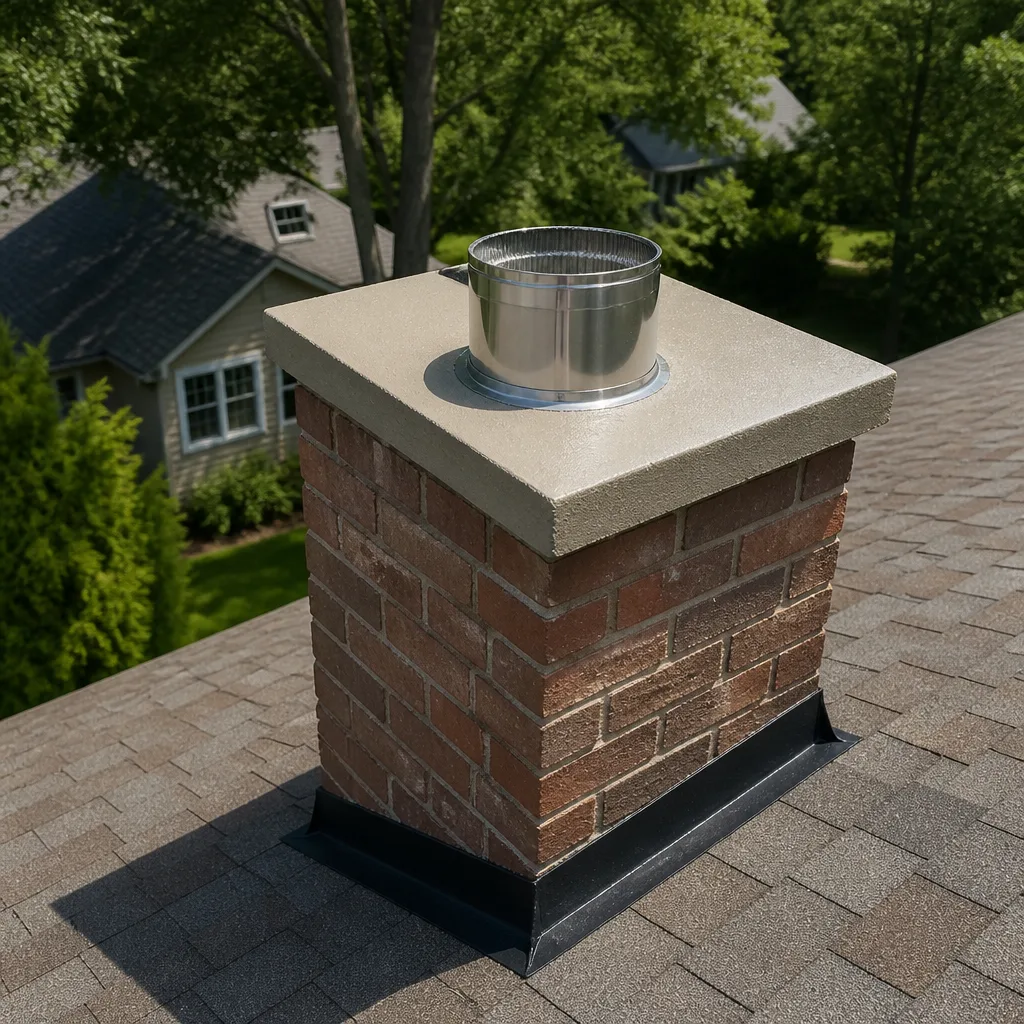 Flue relining
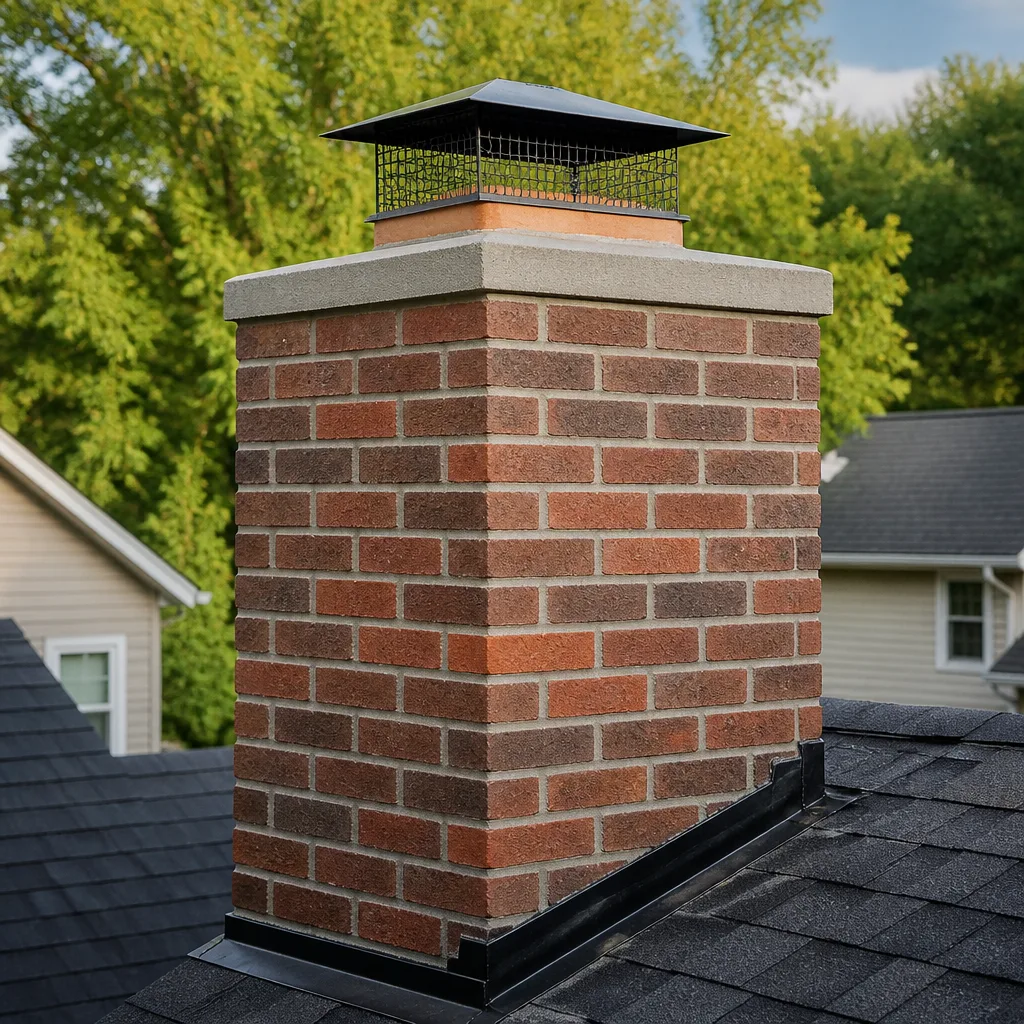 Masonry repair
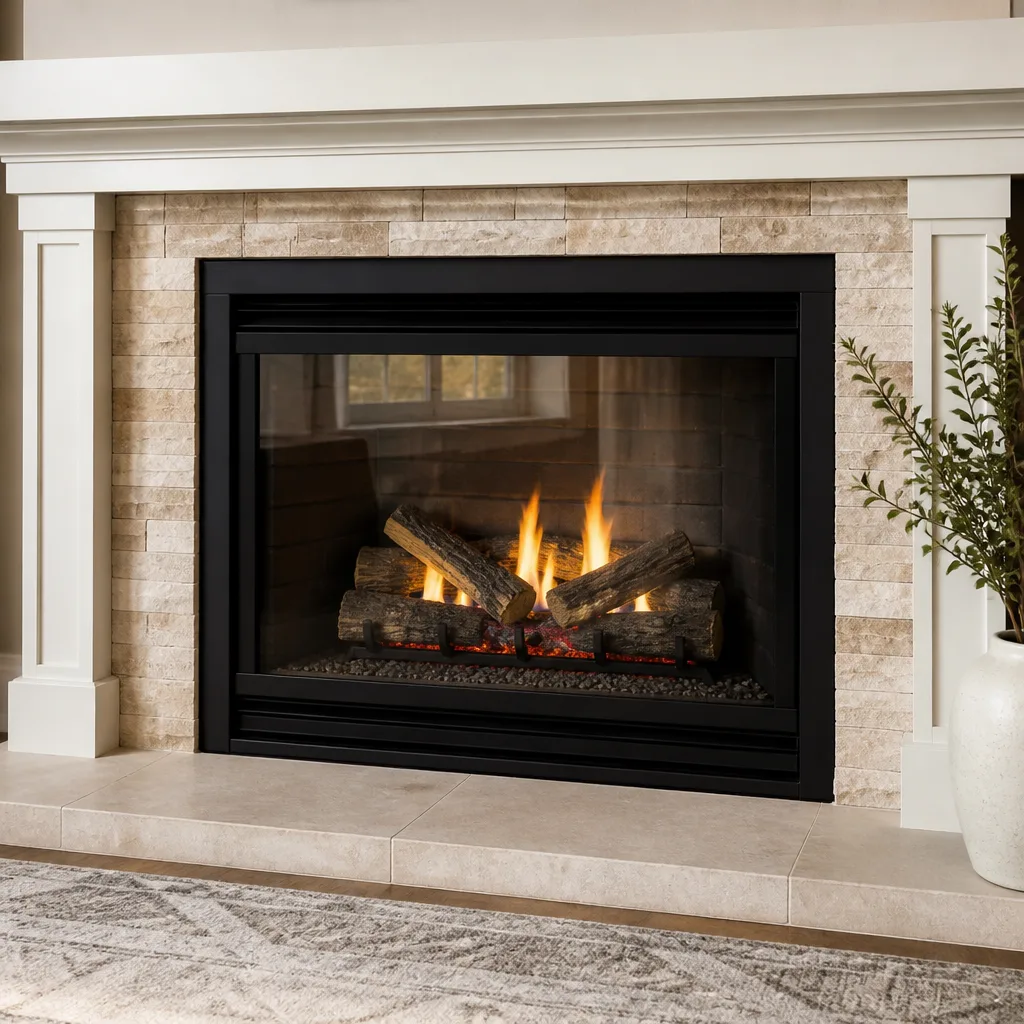 Gas fireplace service
Level 1 sweep and inspection to the NFPA 211 annual standard - flue, crown, cap, and flashing checked and photographed
Chimney sweep logs do not sweep chimneys. They loosen some creosote - which then falls where a brush and vacuum still have to collect it.
Choosing the Right Chimney Cleaning Brand: A Buyer’s Guide for Portland
A stainless steel chimney liner is a stainless steel liner – until it isn’t. Gauge, alloy grade, and fitting quality vary substantially across brands, and the liner installed in your home by a low-bid contractor may technically be “stainless” while being meaningfully less durable than what a professional-grade supplier provides. The same holds for caps, dampers, sealants, and the creosote treatments that get sold to homeowners at hardware stores. In Portland, where roofs stay wet for months and chimney exteriors take a beating from rain and moss, the difference between a professional-grade product and a generic substitute shows up faster than you’d think. This guide explains what the leading brands actually make, what separates professional-grade suppliers from big-box alternatives, and how to ask any contractor about material sourcing without sounding adversarial.
Quick Answer
When you’re choosing a chimney brand in Portland, focus on the products that touch fire safety and weather exposure: liner systems, caps, crowns, dampers, and sealants. Professional-grade suppliers like Olympia Chimney, HeatShield, Gelco, and Copperfield build to specifications that certified chimney professionals rely on, while big-box alternatives often cut gauge, alloy grade, or fitting tolerances. The right brand question isn’t “which name is best” – it’s “which material is specified for my chimney, and why.”
Styles & brands we work with
- Sweep & inspection
- Caps & crowns
- Flue relining
- Masonry repair
- Gas fireplace service
Table of Contents
- Where Brand Actually Matters in a Chimney System
- Professional-Grade Suppliers vs. Big-Box Alternatives
- Liner Systems: The Brand That Carries the Most Weight
- Caps and Crowns: Portland Weather Puts Them to the Test
- Dampers, Sealants, and Creosote Treatments
- How to Ask a Contractor About Material Sourcing
- Warranty Coverage and Material Choice
- Portland-Specific Considerations for Chimney Brands
Where Brand Actually Matters in a Chimney System
Not every part of a chimney rewards brand scrutiny equally. Some components are commodity hardware where any reputable manufacturer will do the job. Others are load-bearing, fire-adjacent, or weather-exposed in ways that make material specification a genuine safety and longevity question. Knowing which is which keeps you from overpaying on one end and under-specifying on the other.
In our experience across Portland homes, these are the components where brand and specification genuinely matter:
- Liner systems. The stainless flue liner is the single most consequential branded product in a chimney. Gauge, alloy grade (304 vs. 316 vs. 316L), seam construction, and fitting quality all vary between manufacturers, and those variables determine how long the liner survives contact with flue gases and condensate.
- Chimney caps. A cap sits on top of the chimney in the worst weather your roof ever sees. Stainless caps from professional suppliers hold up where painted steel or thin-gauge galvanized caps rust and fail.
- Crowns and crown repair materials. The crown is the concrete or mortar cap at the top of the chimney that sheds water away from the flue. Flexible crown sealants and restoration mortars from professional suppliers are formulated to bond and flex with the masonry instead of cracking off in the first freeze.
- Dampers. Top-sealing damper assemblies are mechanical products with gaskets and seals. Cheap dampers warp or lose their seal; professional-grade dampers keep their seal and actually stop the air loss they promise.
- Sealants and adhesives. High-temperature sealants used at the flue collar and around dampers have temperature ratings that matter. Generic silicone from a hardware store doesn’t hold at flue temperatures.
- Creosote treatments. Chemical creosote treatments and sweeping products vary in what stage of creosote they actually address. Professional-grade treatments are formulated for specific creosote conditions, not sold as a cure-all.
Everything else – the brush, the rods, the drop cloths – is tooling, not product. Brand matters far less there. Portland homeowners who understand this distinction ask smarter questions and get better answers. The same logic applies when you book a chimney sweep and the technician walks the flue with a camera: what they find determines what gets specified, and the brand of what gets specified is worth a conversation.
Professional-Grade Suppliers vs. Big-Box Alternatives
The gap between professional-grade suppliers and big-box alternatives isn’t marketing. It’s measurable in gauge, alloy, fitting tolerance, and how the product behaves after a few years of Portland rain and repeated heating cycles. Here’s what actually separates them.
Material specification
Professional suppliers publish their specifications: alloy grade, wall thickness, temperature rating, and test standards. A big-box liner may be labeled “stainless” without telling you the gauge, the alloy, or whether it’s been tested to a recognized standard. A professional-grade Belmont Chimney Cleaning liner specification tells you all of it, because certified installers need that information to match the liner to the appliance and the flue.
Fitting quality
Liner sections join end to end. Professional-grade liners have tighter tolerances at the joints, which means fewer gaps for creosote and condensate to collect. Big-box liners are often manufactured to a looser tolerance, and the joints show it after a season or two.
Test standards and certification
Professional-grade liner systems are tested to recognized standards for chimney liners, and the manufacturer publishes the test data. Generic products often carry no test documentation, which means you’re relying on the installer’s word that the product is suitable for the appliance.
Consistency across production runs
A professional supplier ships the same specification every time. A big-box supplier may source from different factories run to run, and the homeowner has no way to know which version was installed in their chimney. In Portland, where a liner may be in service for decades, consistency matters.
Support and documentation
Professional suppliers provide installation documentation, specification sheets, and technical support for the contractor installing the product. When a warranty question comes up years later, that documentation is what makes the difference between a covered claim and a shrug.
We use the same professional-grade materials chimney engineers specify – not big-box alternatives – because the products we install have to survive what Portland weather and Portland heating seasons already do to every chimney on the block. That’s a material sourcing decision, not a marketing one.
Liner Systems: The Brand That Carries the Most Weight
If you only ask one brand question during a chimney project, ask about the liner. It’s the component that contains the flue gases and protects the house from the byproducts of combustion, and it’s also the component most likely to be swapped for a cheaper substitute when bids get squeezed.
What to look for in a liner brand
- Alloy grade. Standard liners are typically grade 304 or 316 stainless. Gas appliances and oil appliances call for different grades than a wood-burning fireplace because of the condensate and chemistry involved. A professional supplier specifies the grade, not just the word “stainless.”
- Wall thickness. Liner wall gauge is expressed in thousandths of an inch, and a lighter gauge liner deforms more easily during installation and fails sooner under thermal cycling. Professional suppliers publish the gauge; big-box liner often doesn’t.
- Seam and joint construction. The way sections seam and join affects how well the liner contains creosote and condensate. Look for documentation on joint construction, not just a smooth-looking finished product.
- Test and certification data. A professional liner brand provides test documentation for the appliance types it’s rated for. Ask for it.
- Compatibility with the appliance. The brand’s specification sheet should confirm the liner is rated for the appliance in your home – wood, gas, or oil.
DuraFlex is one example of a professional-grade liner brand that specifies alloy, gauge, and joint construction in its published documentation. Manufacturers like Olympia Chimney also publish specification sheets that certified installers use to match liner to appliance. The point isn’t which professional brand is “best” in the abstract. It’s that the brand you’re considering has published specifications a homeowner can actually read and a certified installer can match to your flue.
If a contractor can’t tell you the alloy grade, the gauge, and the manufacturer of the liner they plan to install in your chimney, that’s the moment to ask for the specification sheet. Our technicians have up to 9 years of experience working with professional-grade liner systems, and in that time we’ve seen the difference a gauge and alloy choice makes after a few Portland winters. When we recommend a liner, we can show you the specification.
Caps and Crowns: Portland Weather Puts Them to the Test
Portland roofs see extended wet seasons, moss growth, and repeated freeze-thaw cycles on the chimney top. The cap and crown take the full brunt of that exposure, which makes them one place where buying a brand-name product is worth the effort. A cap is cheap to replace in principle, but a failed cap that’s allowed to sit lets water into the flue and the crown, and that damage is not cheap.
What good caps and crowns do
- Chimney caps keep rain, snow, birds, and debris out of the flue, and spark screens contain embers. A professional-grade stainless cap outlasts painted steel or thin galvanized caps, which rust through at the seams in wet climates and then start shedding rust down the chimney.
- Crown sealants and restoration materials flexible crown coatings from professional suppliers are formulated to move with the masonry and stay bonded across freeze-thaw cycles. Hardware-store mortar patch cracks and lifts within a season or two on a Portland chimney.
- Multi-flue caps on a shared chimney need proper fitting and proper stainless gauge. A cheap multi-flue cap that warps can pull fasteners loose and expose the flue.
How to evaluate cap and crown brands
- Ask for the material specification – stainless grade, gauge, and finish – not just “stainless cap.”
- Ask whether the cap is sized for your flue or sized to fit “most flues.”
- Ask what the crown material is: a mortar mix, a flexible crown sealant, or a proprietary restoration product. Each behaves differently, and only some are rated for the freeze-thaw cycles Portland chimneys see.
- Ask who warrants the material. A cap warranted by the manufacturer is worth more than a verbal promise from the contractor.
When crown damage shows up during a sweep, we’d rather fix it with a product rated for the climate than patch it with mortar that will crack again. That’s the reason we specify professional-grade crown materials. For a broader walk through what a proper inspection covers before any of these decisions get made, see our guide to Portland chimney care – the inspection findings should drive the brand conversation, not the other way around.
Dampers, Sealants, and Creosote Treatments
These smaller components don’t get much attention, but they’re where cheap substitutes cause the most callbacks and the most quotable homeowner frustration. Here’s how to think about each one.
Top-sealing dampers
A top-sealing damper is a mechanical assembly with a gasket, a cable, and a seal. When it’s working, it stops the constant air loss that a fireplace with an open damper creates, and it keeps rain and animals out. When it’s a cheap model, the gasket fails, the cable stretches, and the seal stops sealing. Professional-grade damper brands publish their seal and gasket specifications. Ask for them.
High-temperature sealants
Sealant gets used at the flue collar, around dampers, and at other joints where heat exposure is real. A professionally specified high-temperature sealant has a published temperature rating. Generic hardware-store silicone does not, and it will fail at flue temperatures. This is one of the smallest line items on a chimney job and one of the easiest places for a low-bid contractor to substitute. Ask what brand of sealant is being used at high-temperature joints.
Creosote treatments
Creosote forms in three stages, from light soot to hardened glaze. Chemical treatments address specific stages, and a professional-grade product is formulated for the stage it’s designed to treat. A generic treatment sold as a cure-all usually isn’t. In Portland, where the heating season is long and fireplaces see regular use, glaze-stage creosote is common, and that’s the stage where a professional-grade treatment is genuinely useful and a generic product isn’t. For a deeper look at how glaze forms and what it takes to remove it, our dryer vent cleaning guide is a useful parallel – lint and creosote are both fire fuels, and both reward the same discipline about materials and regular cleaning.
How to Ask a Contractor About Material Sourcing
You don’t need to sound adversarial to get a useful answer about materials. The best framing is simple curiosity backed by a specific question. Most contractors appreciate being asked, because it lets them show their knowledge, and the ones who source from professional channels usually answer in detail without hesitation.
Questions that work
- “What brand of liner would you spec for my flue, and why?” A contractor who sources from professional channels will name the brand and explain the alloy grade, the gauge, and how the specification matches your appliance.
- “Can you show me the manufacturer’s specification sheet before we install?” A professional-grade supplier publishes its specifications, so this request is straightforward. If the contractor can’t provide one, that’s informative.
- “What’s the warranty on the material, and who backs it?” A brand-backed warranty is different from a contractor’s verbal promise. Ask which one is being offered.
- “Do you use the same brands on caps and crowns that you use on liners?” Not every contractor does, but the answer tells you whether they treat the whole system consistently or source opportunistically.
- “What high-temperature sealant do you use at the flue collar?” Small question, revealing answer. Professional installers specify the brand; low-bid installers use whatever’s on the truck.
Answers that indicate professional sourcing
- The contractor names the brand and the specification without prompting.
- The contractor can explain why one material was chosen over another for your specific appliance or flue condition.
- The contractor offers to show you the specification sheet or manufacturer documentation.
- The contractor describes installation as a matched system – liner, cap, damper, and sealant – rather than as separate items sourced independently.
- The contractor is comfortable talking about the material’s warranty period and what voids it.
Answers that suggest caution
- The contractor can’t name the brand of liner they’re using, or names only the material type (“stainless”) without specification.
- The contractor describes the liner as “the same thing, just cheaper” compared to a professional brand.
- The contractor dodges the specification-sheet question or says the manufacturer “doesn’t provide” one.
- The contractor’s written estimate includes no mention of the materials being installed.
A written estimate should list the material brand and specification, not just a price. If it doesn’t, ask for a revised estimate before you commit. In our experience, the contractors who push back on that request are also the contractors most likely to substitute material mid-job.
Warranty Coverage and Material Choice
Warranty is where the brand conversation stops being theoretical. A professionally installed, professional-grade liner typically comes with a manufacturer-backed warranty period and a set of installation conditions that keep the warranty valid. A contractor-sourced generic material usually comes with no manufacturer warranty at all, or a warranty that’s difficult to enforce because the manufacturer doesn’t publish its specifications or doesn’t have a service channel for warranty claims.
What professional-grade installations typically offer
- A manufacturer warranty on the material, separate from any workmanship warranty the contractor offers.
- Documented installation requirements – the brand’s specification sheet lists what the installation must include for the warranty to remain valid.
- A warranty transfer mechanism if the home changes hands, which matters for resale.
- A claim process – the manufacturer has a channel for handling warranty claims, and the contractor has the documentation to support one.
What contractor-sourced generic material typically offers
- A verbal promise from the contractor, and nothing more.
- No manufacturer warranty, because the material has no traceable manufacturer.
- No specification sheet, so there’s no way to demonstrate the warranty conditions were met.
- No claim channel if the material fails.
Warranty is one of the reasons we name the brands we install. When a homeowner calls us years later with a question about a liner or a cap, the documentation exists, because the manufacturer exists and stands behind the product. That doesn’t happen with generically sourced material. It’s also why we treat the repair side of the business as seriously as the sweep side: HeatShield resurfacing and DuraFlex relining are both products that require documentation and specification, not improvisation.
Portland-Specific Considerations for Chimney Brands
Portland’s climate shapes which brand decisions matter most. Rain over a long season, moss on the roof and cap, and repeated freeze-thaw cycles on the chimney crown are routine here, and material choices that would coast in a drier climate get tested in Portland. Here’s how that plays out.
Weather exposure
Caps and crowns on Portland chimneys take wet-season exposure that a hardware-store cap or a mortar patch isn’t formulated for. A professional-grade stainless cap and a flexible crown sealant rate for that climate; a painted steel cap and hardware-store mortar don’t. When a Portland homeowner is choosing a cap brand, weather performance and warranty are the two questions that matter most.
Heating season length
Portland’s heating season is long, and a fireplace that runs regularly builds creosote faster than one that sees occasional use. That means liner material grade and creosote treatment brand matter more here than they would in a milder climate, because the components see more hours of heat cycling and more accumulated creosote per year.
Older homes and older flues
Many Portland neighborhoods have homes with flues that predate modern liner standards. When a sweep turns up a cracked or deteriorated tile flue, the discussion moves to relining, and the brand of liner gets specified for the flue condition. HeatShield resurfacing is an option when the tile is deteriorated but the chimney structure is sound; a full reline with a professional-grade liner is the option when it isn’t. The choice is driven by inspection findings, not by which brand the contractor happens to stock.
Dryer vents and chimneys share a risk profile
Portland homes often have dryer vents routed through long, awkward runs that collect lint – the NFPA-documented leading cause of home dryer fires. Dryer vent cleaning is the same discipline as chimney sweeping: regular service, professional-grade cleaning, and a check for problems that need fixing. It’s also one more place where “brand” means little for the tooling and a lot for the service quality.
Common Mistakes to Avoid
- Asking “which brand is best” without context. The right brand for a Portland chimney depends on the appliance, the flue condition, and the component. A generic answer is usually a sales pitch.
- Choosing a contractor on price alone. A low-bid liner or cap usually means a lighter gauge and an unlisted manufacturer. The savings show up on the invoice; the consequences show up in a few years, on a Portland roof, in the rain.
- Accepting “stainless” as a specification. Stainless describes a metal family, not a gauge or an alloy grade. Ask for the specification sheet.
- Skipping the cap and crown conversation. Portland weather is exactly the reason to specify these by brand. Cheap caps and mortar patches fail here more than they do in drier climates.
- Trusting a warranty that isn’t manufacturer-backed. A verbal warranty from a contractor who can’t name the material’s manufacturer is worth about what you paid for it.
- Letting a sweep turn into a sales appointment. A sweep should end with a report: what was found, what needs fixing, what can safely wait. If a repair recommendation appears without camera evidence you can see, ask for it.
- Ignoring the dryer vent because you called for a chimney. Another place where cheap substitutes and skipped service create real risk, and one that most chimney-only companies don’t even address.
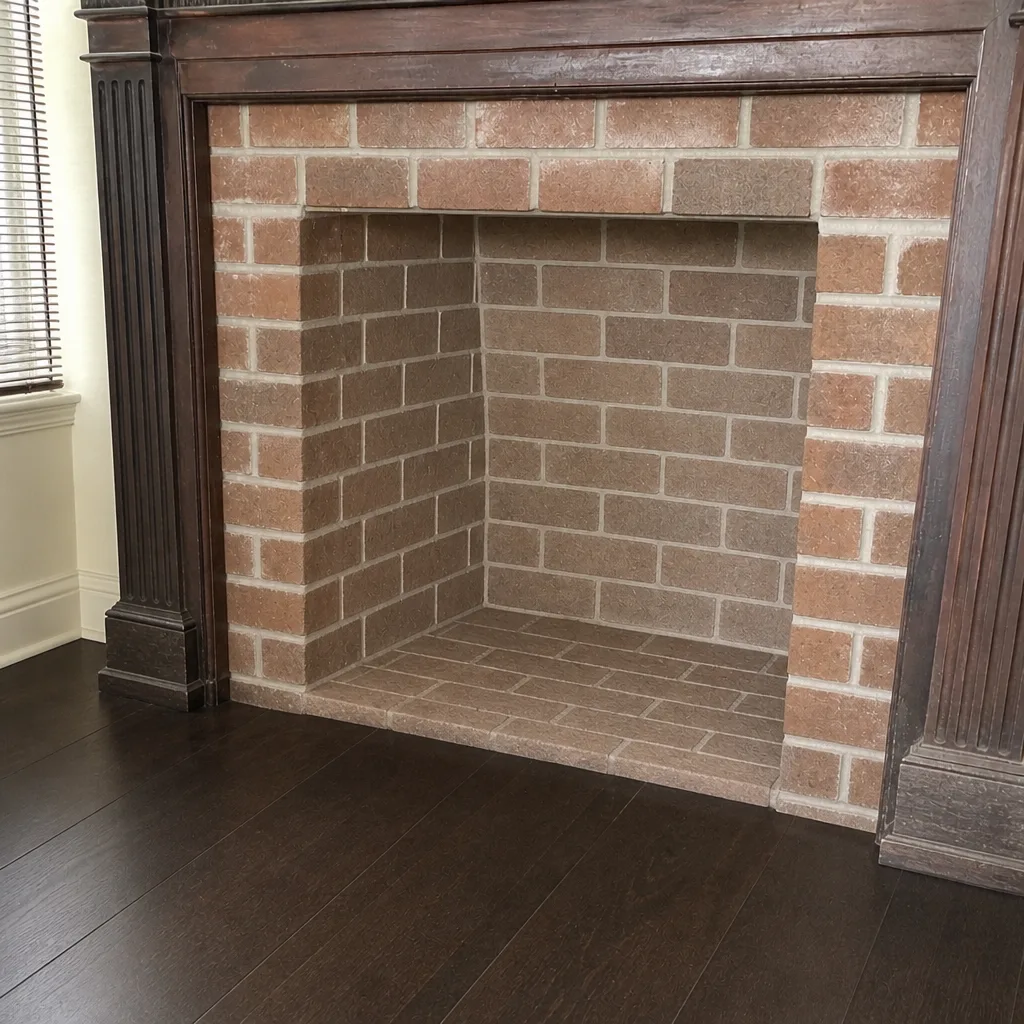
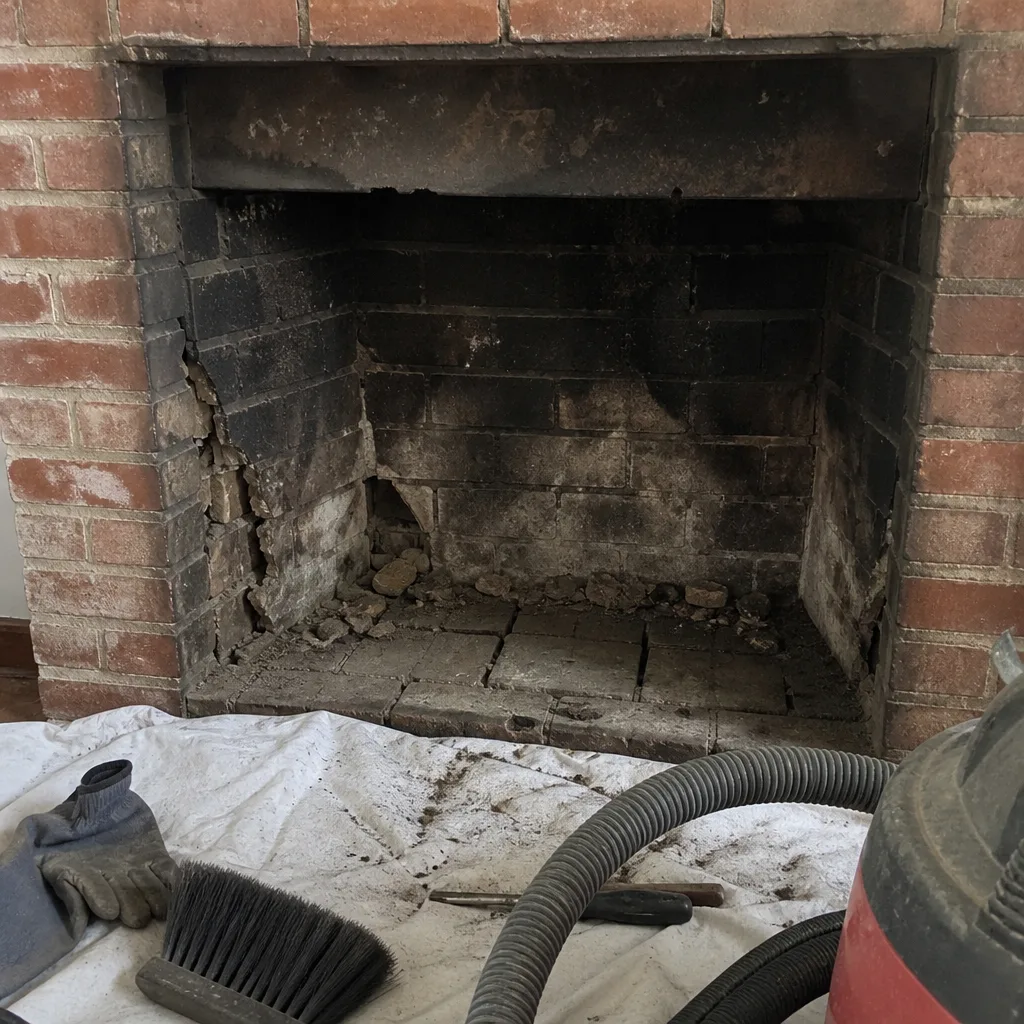
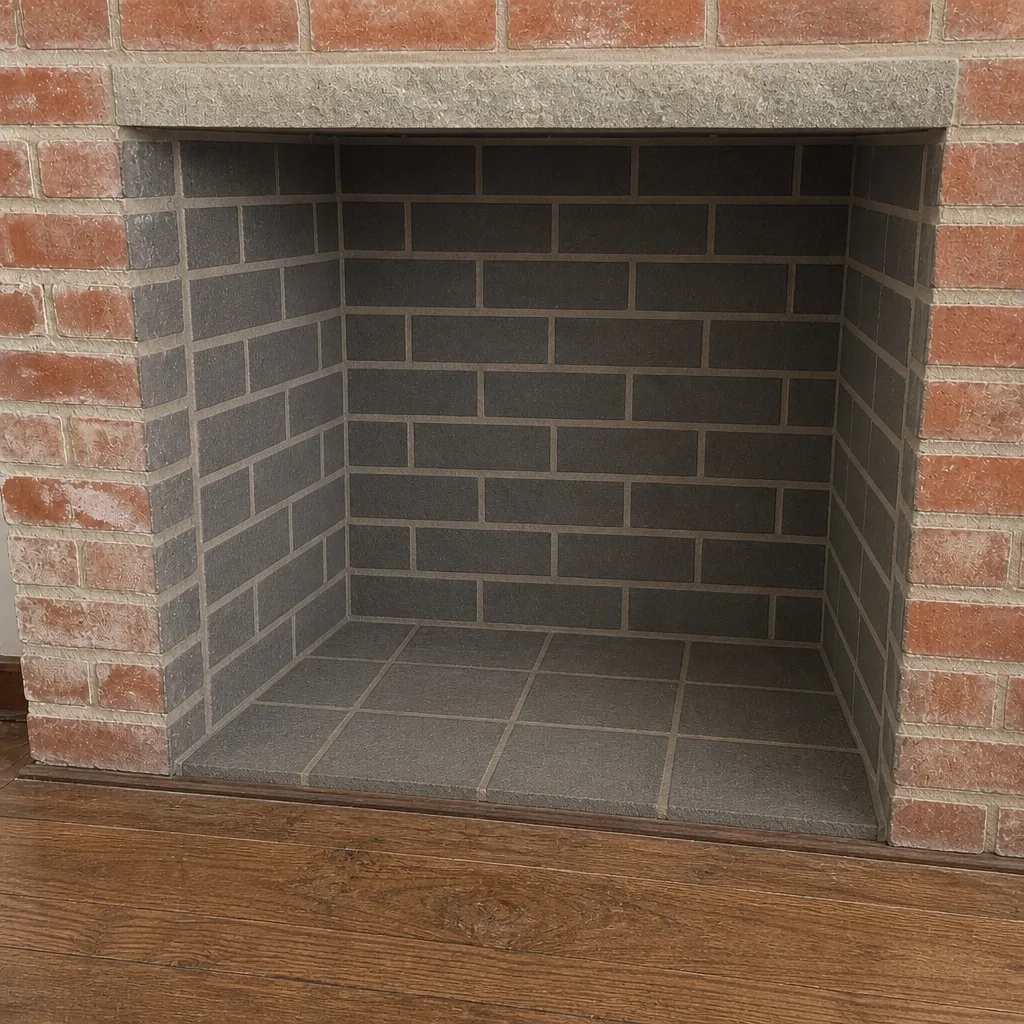
See the difference
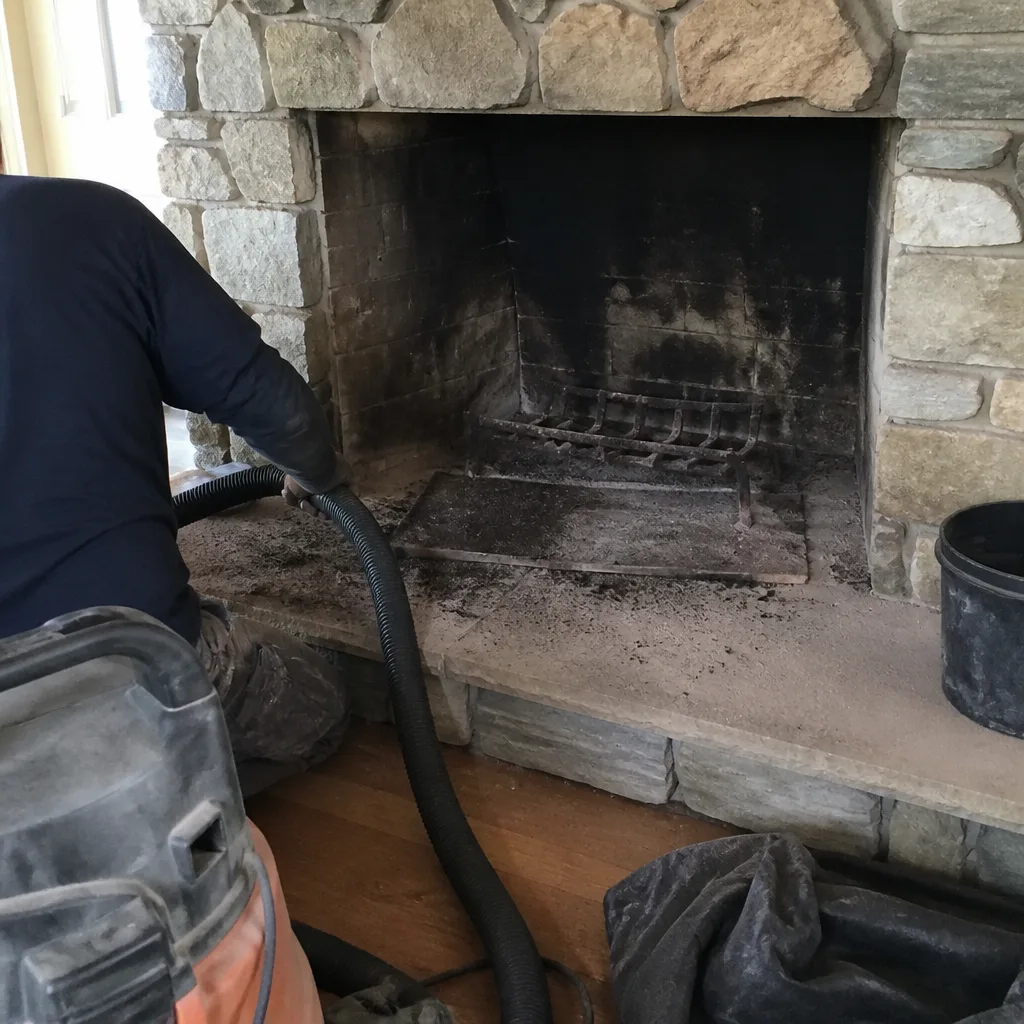 Before
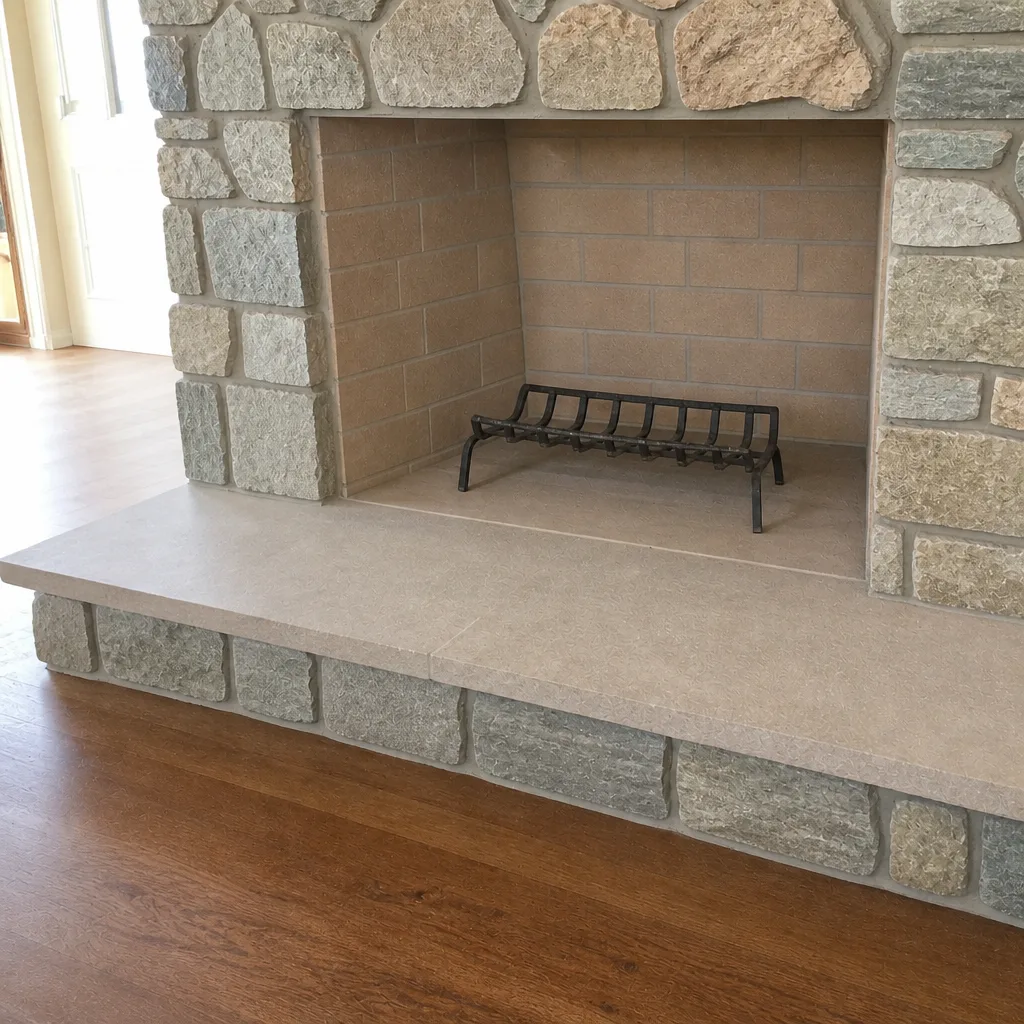 After
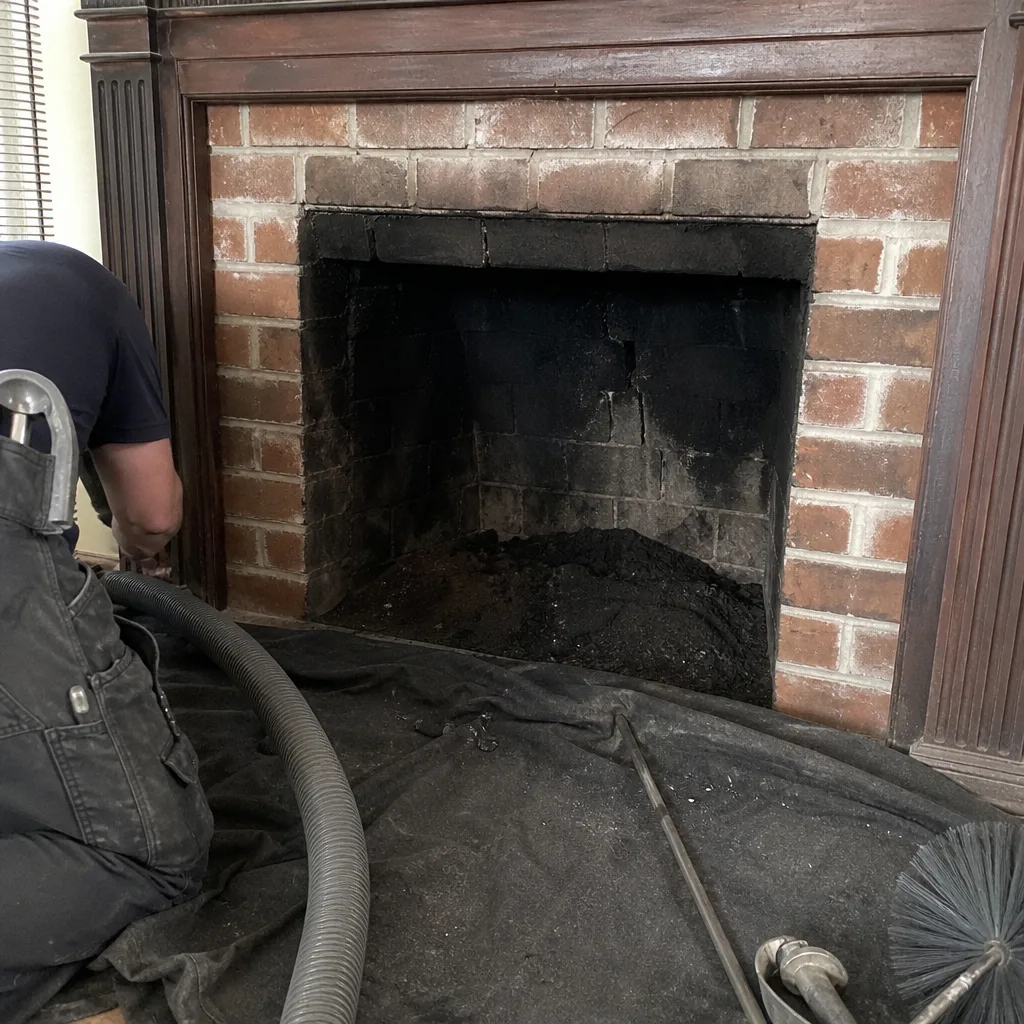 Before
 After
 Before
 After
When to Call a Professional
Call a professional chimney company when you’re dealing with a liner or damper decision, a cap or crown replacement, a flue that’s shown signs of cracking or deterioration, or a dryer vent you haven’t had cleaned in a while. Call sooner if you’ve had a chimney fire – even a small one – because a fire can damage the flue in ways that aren’t visible from the firebox. Call if you smell smoke in the house when the fireplace isn’t running, or if you’re getting backdraft at startup.
Call before you buy a home with a fireplace, too. An inspection before closing tells you what you’re inheriting, and it lets you ask the right brand questions before the previous owner’s installation choices become yours. Belmont Chimney Cleaning offers free estimates in Portland – call (866) 413-9023. We answer 24/7. Fast dispatch from 7am to 7pm, Sunday through Friday. One call covers your sweep, your dryer vent, and any repairs we find along the way, and every recommendation comes with camera evidence you can see for yourself.
Frequently Asked Questions
Professional chimney companies typically specify liner brands that publish alloy grade, wall gauge, and test documentation – DuraFlex and Olympia Chimney are two examples. The specification matters more than the brand name: a professional-grade supplier tells you the alloy and gauge, and a big-box alternative often doesn’t. Ask for the specification sheet before any liner is installed.
Yes, in measurable ways. Gauge, alloy grade, joint tolerance, and published test data are all variables, and big-box liner often doesn’t disclose them. A lighter gauge liner deforms more easily during installation and fails sooner under heat cycling. In Portland, where heating seasons are long, that difference shows up faster than a contractor’s sales pitch suggests.
Ask it as a curiosity question: “What brand of liner would you spec for my flue, and why?” A contractor who sources professionally will answer in detail and offer the specification sheet. A contractor who answers with “it’s all the same” is telling you something useful, and you should take that answer seriously.
Portland’s wet season, moss, and freeze-thaw cycles on the chimney top test caps and crowns harder than drier climates do. A professional-grade stainless cap holds up where a painted steel cap rusts through at the seams, and a flexible crown sealant rates for the climate where mortar patch doesn’t. Specify both by brand, and ask for the manufacturer’s warranty.
A professional-grade installation typically carries a manufacturer warranty on the material, separate from the contractor’s workmanship warranty, and the installation must follow the manufacturer’s published requirements for the warranty to remain valid. Ask who backs the warranty and whether it transfers if you sell the home. If the answer is “we’ll take care of it,” ask for documentation instead.
Yes, because treatments are formulated for specific creosote stages – light soot, medium, and hardened glaze. A professional-grade treatment addresses the stage it’s designed for, and a generic treatment sold as a cure-all usually isn’t. In Portland, where fireplaces run through a long season, glaze-stage creosote is common and professional-grade treatment is worth the specification. For your exact situation, book an inspection and see what the camera finds first.
The Bottom Line
Brand isn’t the whole story in a chimney project, but in the components that touch fire and weather – liner, cap, crown, damper, sealant, creosote treatment – it’s a reasonable thing to ask about. Professional-grade suppliers publish their specifications; big-box alternatives often don’t. In Portland, the weather and the heating season make those specifications matter more, and they show up in the warranty conversation. The right move is to ask questions, request specifications, and insist on camera evidence before any repair is recommended. Nothing is recommended without evidence you can see, and we’ll tell you plainly when work can safely wait.
For a free estimate in Portland, call (866) 413-9023. We answer 24/7. Fast dispatch from 7am to 7pm, Sunday through Friday. Estimates are free, and the written estimate sets the final price.
Written by the team at Belmont Chimney Cleaning.