
Last updated November 14, 2026
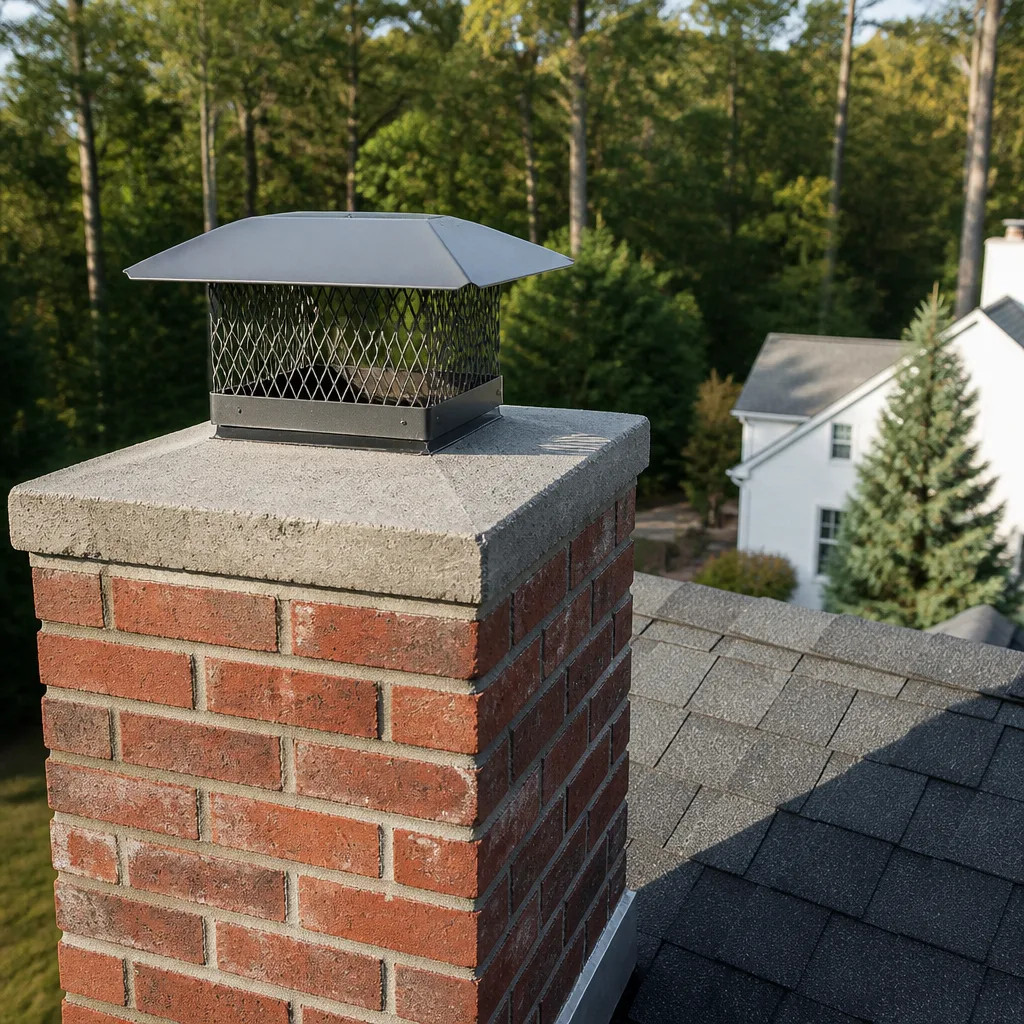 Sweep & inspection
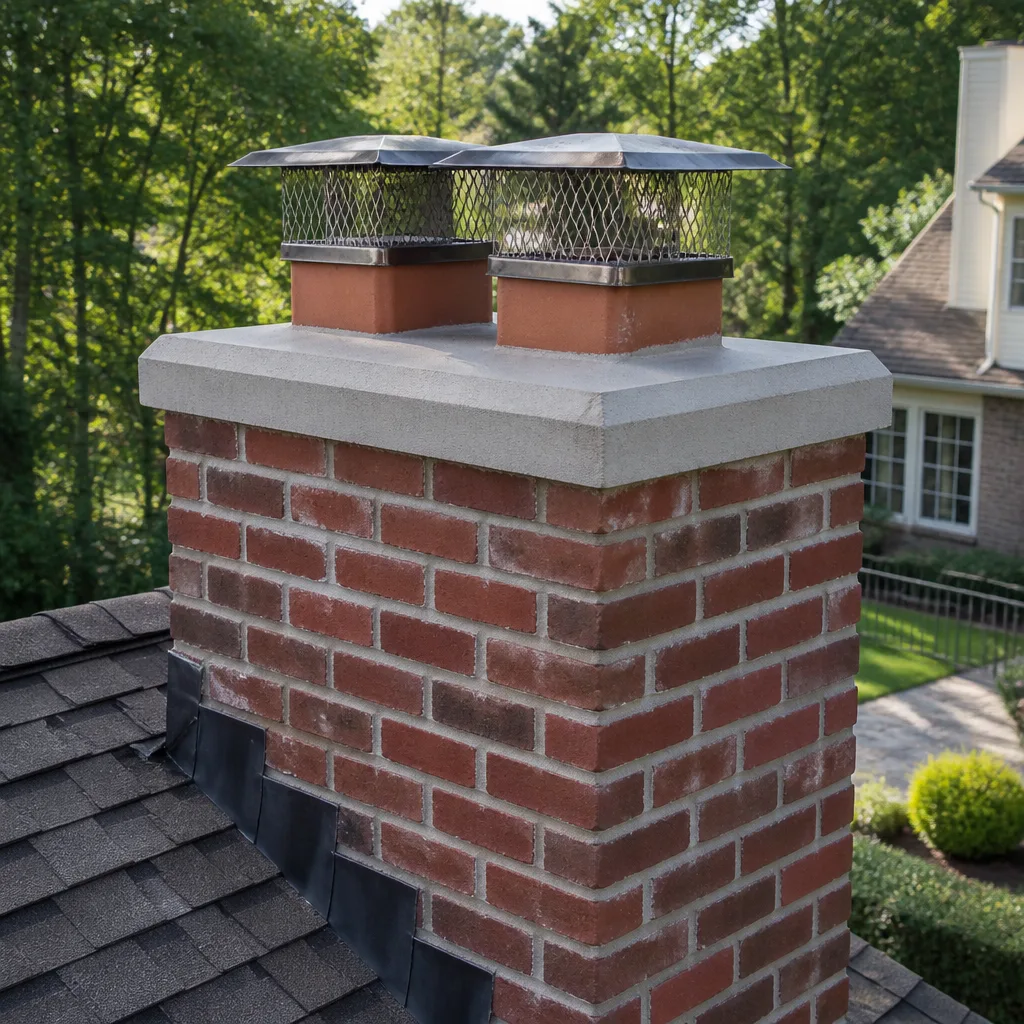 Caps & crowns
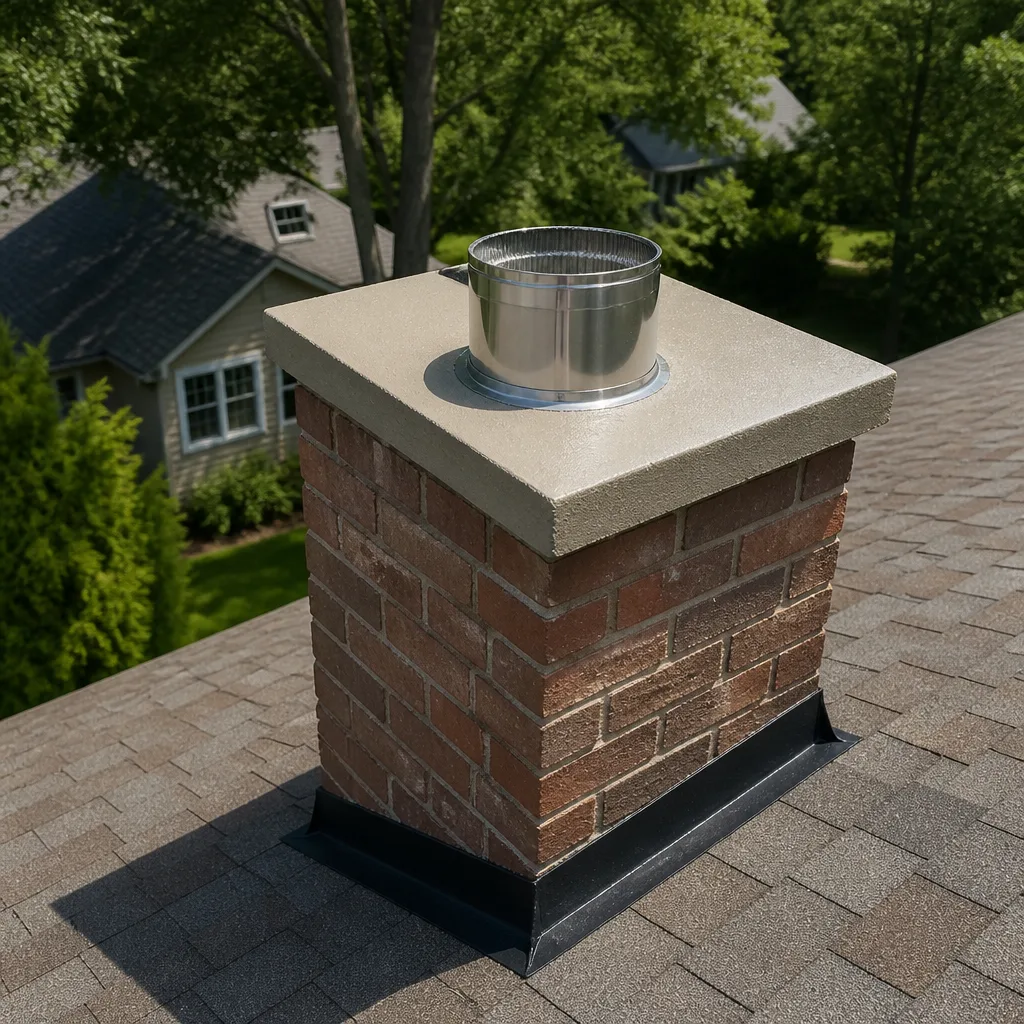 Flue relining
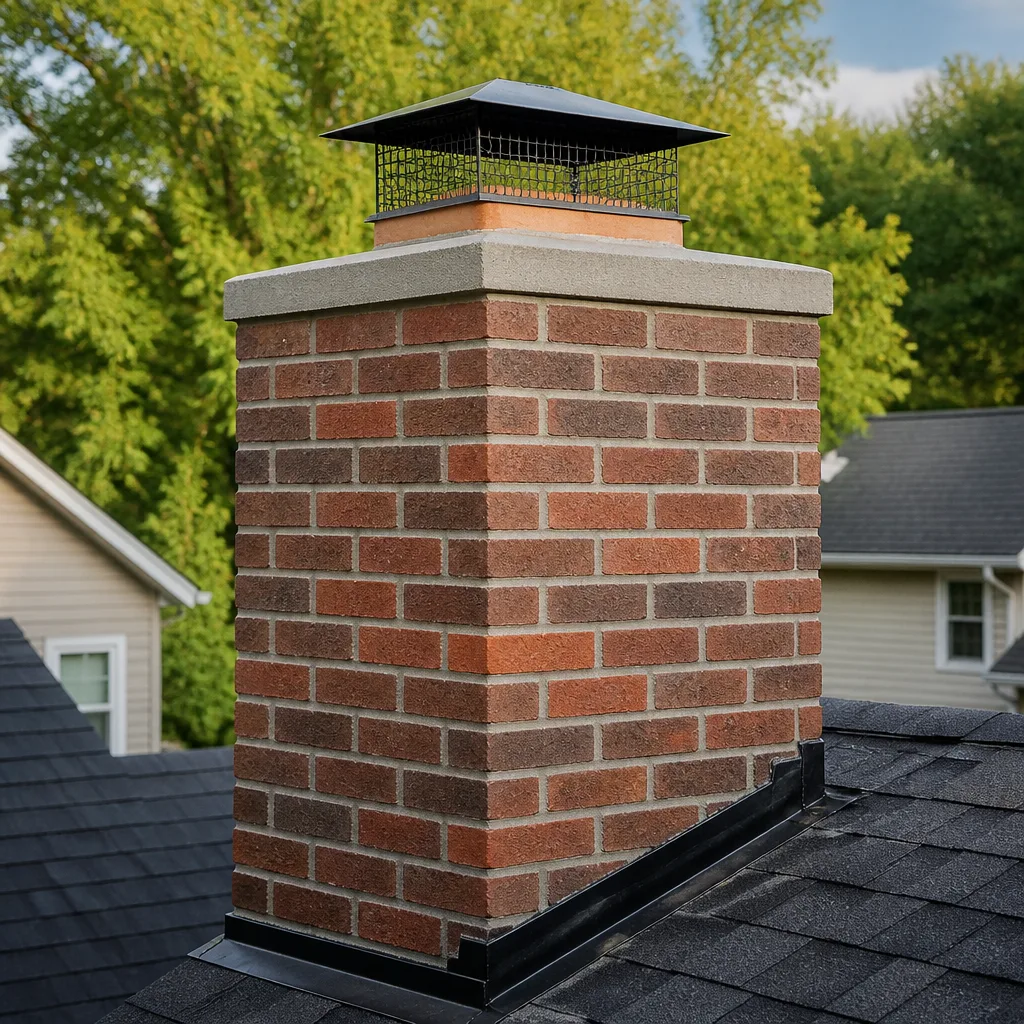 Masonry repair
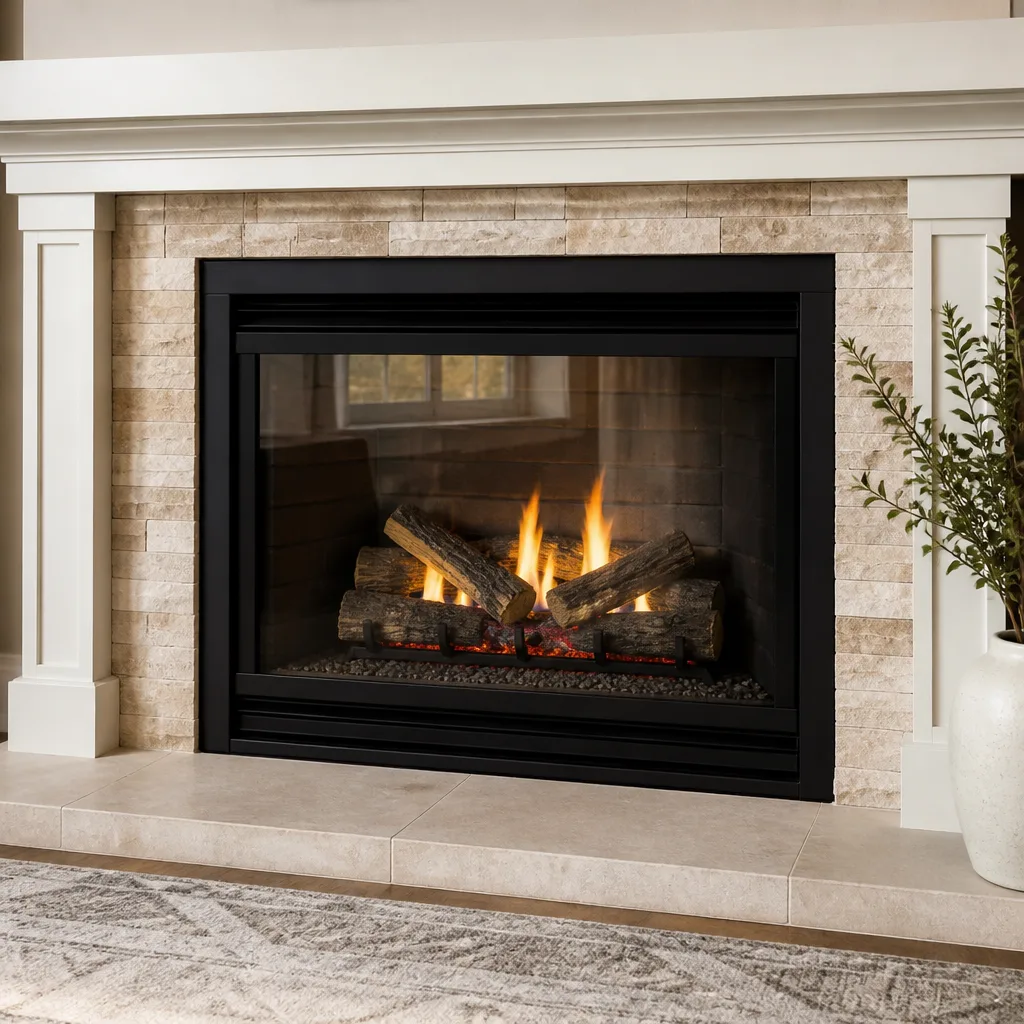 Gas fireplace service
Level 1 sweep and inspection to the NFPA 211 annual standard - flue, crown, cap, and flashing checked and photographed
Chimney sweep logs do not sweep chimneys. They loosen some creosote - which then falls where a brush and vacuum still have to collect it.
The Complete Guide to Chimney Cleaning in Portland
Most chimney fires in the Pacific Northwest aren’t caused by heavy wood-burning. They’re caused by occasional burning in damp fireplaces, which produces the stickiest, hardest-to-remove form of creosote. A fireplace that runs a few times a month through a Portland winter stays cold between fires, and a cold flue condenses the moisture in wood smoke into a glaze that clings to the liner and won’t brush away easily. That single fact changes how chimney care works here. This guide covers the whole system, from flue to firebox to cap, and explains what a Portland homeowner is actually maintaining.
Quick Answer
Chimney cleaning in Portland means removing creosote, soot, and moisture-driven debris from the flue, firebox, smoke chamber, and cap, then inspecting the liner for the spalling and cracks that a wet climate accelerates. It’s usually done once a year, ideally before the burning season starts, because the rainy months between fires are when a damp flue builds the glazed creosote that causes most chimney fires. A proper sweep includes a camera inspection so you can see the liner’s condition for yourself.
Styles & brands we work with
- Sweep & inspection
- Caps & crowns
- Flue relining
- Masonry repair
- Gas fireplace service
Table of Contents
- Why Portland’s Climate Changes Chimney Cleaning
- Why Intermittent Burning Is Riskier Than Regular Burning
- The Four Parts of a Chimney and Why Each One Matters
- How Portland’s Rainy Season Drives Spalling and Liner Damage
- Level 1, Level 2, and Level 3 Inspections Explained
- Why Professional Tools Decide Whether Creosote Is Removed or Redistributed
- How Often Should a Portland Chimney Be Swept?
- What Happens When a Sweep Finds a Problem
Why Portland’s Climate Changes Chimney Cleaning
Portland’s wet, mild winters create a different chimney-maintenance pattern than the cold, dry climates many chimney guides are written for. Here, the threat isn’t months of subzero temperatures. It’s moisture, and lots of it, working on a masonry chimney that spends the winter cycling between warm and cold.
A wood fire drives heat up the flue and pushes moisture out. Then the fire goes out, the flue cools, and the damp air of a Portland winter settles back into the masonry. That cycle repeats every time you burn. Each warm-up pushes a little moisture vapor through the brick and mortar, and each cool-down lets more damp air in. Over a season, that freeze-thaw-and-wet rhythm loosens mortar joints and flakes the inner surface of the flue.
What that means in practice:
- Creosote forms differently. In a damp, cool flue, smoke condenses before it exits, leaving a wet, sticky residue rather than a dry, fluffy soot. Wet creosote is the kind that glazes and hardens.
- Sweeping finds more than soot. A Portland sweep often turns up moisture damage alongside creosote, including cracked flue tiles and crumbling mortar.
- Timing matters. The best window to sweep is before the burning season, so the chimney enters the wet months clean and dry rather than carrying last year’s buildup into another damp winter.
We’ve seen how quickly a neglected masonry chimney in Portland develops interior spalling once water gets into the flue. It’s not a dramatic process. It’s slow, quiet, and easy to miss until an inspection shows it.
Why Intermittent Burning Is Riskier Than Regular Burning
This is the counterintuitive part of chimney care, and it’s the point most homeowners get backwards. A fireplace used heavily every day through the winter tends to burn hot, and a hot flue stays dry and burns off light creosote before it hardens. A fireplace used a few times a month does the opposite. The flue sits cold and damp between fires, and every fire produces smoke that condenses into the stickiest creosote on the walls.
Consider the difference:
- Regular burning: The flue reaches temperature often, dries out between fires, and creosote tends to stay light and dry, which a brush removes cleanly.
- Occasional burning: The flue stays cool, moisture lingers, and smoke condenses into glazed creosote that bonds to the liner surface.
That glazed layer is the dangerous one. It’s denser, it ignites at a lower temperature than dry soot, and a brush alone often won’t touch it. In our experience, the fireplaces that most need a professional sweep are the ones that burn a handful of times each season, not the ones that burn every night.
So if you light the fireplace mainly on the coldest evenings and let it sit idle the rest of the winter, you’re in the highest-risk category for glazed creosote. That’s not a reason to stop burning. It’s a reason to have the chimney swept and inspected on a regular schedule, so the glaze never gets a chance to build up season after season.
The Four Parts of a Chimney and Why Each One Matters
When people hear “chimney cleaning,” they usually picture brushing out the flue. But a chimney has four distinct zones, and each one collects a different kind of debris. Cleaning the flue alone leaves three of them untouched. A complete service covers all four.
- The flue liner. This is the channel the smoke travels up. It collects creosote and soot on its walls, which is what most people think of as the cleaning job. The liner’s job is to contain combustion gases and heat, so a cracked or spalled liner is a safety problem, not just a cleaning problem. This is where professional-grade brushing matters most, and where we check condition, not just cleanliness.
- The firebox. The box where the fire burns collects ash, soot, and bits of fallen mortar. It’s also where you can spot early signs of heat damage or crumbling firebrick. A clean firebox burns more efficiently and shows problems before they spread.
- The smoke chamber. The space above the firebox and below the flue, shaped like an inverted funnel, that funnels smoke up. Its angled walls are a magnet for creosote, and they’re hard to reach with a straight brush. Many sweep-only services skip it. Left alone, the smoke chamber builds a heavy creosote layer that a hot fire can ignite.
- The cap and crown. The cap keeps rain and animals out of the flue. The crown is the sloped concrete at the top that sheds water away from the masonry. In Portland, a cracked crown is a real problem, because water runs straight into the chimney and starts the moisture cycle that damages everything below. Checking the cap and crown is part of a thorough service.
This is the difference between a full-system approach and a quick brush-out. We come prepared to check all four zones and to fix what we find, not just report it.
How Portland’s Rainy Season Drives Spalling and Liner Damage
Spalling is what happens when water gets into masonry, freezes or simply expands as it soaks in, and forces the surface to flake off. In a chimney, spalling on the inner face of the flue tiles means the smooth, protective surface is breaking down. Once it does, the liner is easier for creosote to cling to and harder to clean.
Portland’s rainy season sets up all the conditions for this. Between October and spring, the masonry stays wet for weeks. Every fire warms the chimney and drives some moisture out, then the fire goes out and the wet air returns. The flue doesn’t get a chance to dry out fully, so deterioration accumulates between sweeps. A chimney that was fine in autumn can show new interior flaking by the following spring.
What a homeowner can watch for between professional visits:
- Pieces of flue tile or mortar showing up in the firebox after a rainstorm or a fire.
- A musty smell from the fireplace during wet weather, which often points to moisture in the chimney.
- White, powdery staining on the exterior brick, which is a sign of moisture moving through the masonry.
- A cracked or crumbling crown at the top of the chimney, which lets rain straight into the flue.
None of these are things to ignore through a Portland winter. The earlier moisture damage is caught, the simpler and cheaper the fix. Waiting a season or two often turns a resurfacing job into a relining job.
Level 1, Level 2, and Level 3 Inspections Explained
Chimney inspections come in three levels, and knowing the difference helps you understand what you’re paying for. A cleaning and an inspection aren’t the same thing. The inspection is what tells you the condition of the chimney; the cleaning is what removes the buildup.
- Level 1 inspection. A visual check of the readily accessible parts of the chimney: the firebox, the flue as far as you can see, and the exterior. It’s appropriate when the chimney is in regular use and nothing has changed. This is the basic check that comes with a routine sweep.
- Level 2 inspection. A more thorough look, done with a camera, that covers the accessible portions of the flue and the attic and crawlspace connections where possible. It’s what you want after a chimney fire, a change of fuel, a major repair, or a home purchase. A camera inspection and photo report are how you see what the technician sees.
- Level 3 inspection. The most involved, done when a Level 2 reveals a serious problem that needs a closer look, and it can involve opening up parts of the chimney. It’s reserved for specific situations, not routine maintenance.
One important distinction: a routine cleaning usually includes a Level 1 inspection and sometimes a camera check, but it doesn’t automatically include a Level 2 or Level 3. If your last service was a brush-out with no camera, you don’t actually know the condition of your liner. That’s why we include a camera inspection and photo report with our service, so you have evidence of what’s going on and can see it for yourself.
Why Professional Tools Decide Whether Creosote Is Removed or Redistributed
Here’s an uncomfortable truth about chimney cleaning: with the wrong tools, a sweep can make the chimney look clean at the bottom while leaving the dangerous creosote in place. The right equipment is what separates a real cleaning from a cosmetic one.
Consumer brushes and shop vacuums are built for light, dry soot. In a Portland chimney, the creosote is often wet and glazed, and a soft brush just polishes it or spreads it around. Worse, a shop vacuum isn’t rated for the fine, corrosive soot a chimney produces, and it can spread dust through the house while missing the deposits that matter.
Professional sweeping relies on:
- Correctly sized and rated brushes that match the flue’s dimensions and can break up glazed creosote without damaging the liner.
- High-capacity HEPA vacuums set up to capture soot at the source, so the cleaning removes material rather than redistributing it into your living space.
- Camera equipment so the technician can see the whole liner and document its condition, not just the parts a flashlight reaches.
The tools are only half of it. When a sweep finds a deteriorated liner or a damaged smoke chamber, the repair options matter too. That’s where professional-grade materials come in. We work with brands like HeatShield for resurfacing worn flue tiles and DuraFlex for relining, the same materials specified by certified chimney professionals rather than generic hardware-store substitutes. It means the repair matches the diagnosis instead of being a patch that fails in a season.
How Often Should a Portland Chimney Be Swept?
Once a year is the standard recommendation for a chimney in regular use, and Portland homeowners have good reason to stick to it given how the local climate builds glazed creosote. The annual sweep is the baseline, not a ceiling. If you burn frequently or notice any of the moisture signs above, your chimney may need attention more often.
A practical annual rhythm for a Portland home looks like this:
- Late summer or early autumn: Book the sweep before the burning season starts, so the chimney is clean and dry going into the wet months.
- During the burn season: Watch for the warning signs, including flaking debris, a musty smell, or smoke that doesn’t draw well.
- After the season: If anything looked off during the winter, have it checked before the next round of rain.
If your fireplace only gets occasional use, don’t assume you can skip years. Remember that intermittent burning is the pattern that produces the worst creosote. A once-a-year sweep keeps that glaze from compounding.
What Happens When a Sweep Finds a Problem
A good sweep doesn’t just clean. It tells you the truth about your chimney’s condition, and then it can fix what’s wrong without handing you off to a separate contractor. That single point of accountability matters when the found problem is a deteriorated liner or a damaged smoke chamber.
Depending on what the inspection shows, the repair path usually falls into one of these categories:
- Minor spalling or surface wear: Resurfacing the flue can restore the protective surface without a full rebuild. This is where a HeatShield application comes in, and it’s a service many sweep-only companies can’t offer.
- A cracked or failing liner: A reline is often the answer, and using a professional-grade liner like DuraFlex means the new liner is built for the job rather than improvised from generic materials.
- Damaged cap or crown: Repairing or replacing these keeps water out and stops the moisture cycle before it damages the flue.
- A creosote-heavy smoke chamber: A thorough cleaning of the chamber’s angled walls removes the fuel load a hot fire could ignite.
Our techs have up to 9 years of experience, and we handle sweeping, dryer vent cleaning, and repair under one roof. When a sweep turns up a problem, you hear about it with photo evidence and a written estimate, and you decide what to do next.
Common Mistakes to Avoid
- Burning occasionally and skipping the sweep. The occasional-use fireplace is the one most likely to build glazed creosote, so it needs the same annual attention as a heavily used one, if not more.
- Assuming a brush-out cleaned everything. If the smoke chamber and cap weren’t touched, the job isn’t done. Ask what parts of the chimney were actually cleaned.
- Ignoring a cracked crown through the rainy season. A crown that doesn’t shed water lets rain run straight into the flue. It’s one of the quietest causes of liner damage in Portland.
- Using hardware-store brushes on glazed creosote. A consumer brush can spread wet creosote around without removing it, and a shop vacuum isn’t built for chimney soot.
- Treating a cleaning as an inspection. Without a camera, nobody knows the condition of the liner. A cleaning removes buildup; an inspection tells you what shape the chimney is in.
- Putting off a reline until next year. Once the liner is failing, each wet season makes it worse. A problem caught early is often a resurfacing job; a problem left two seasons is often a reline.
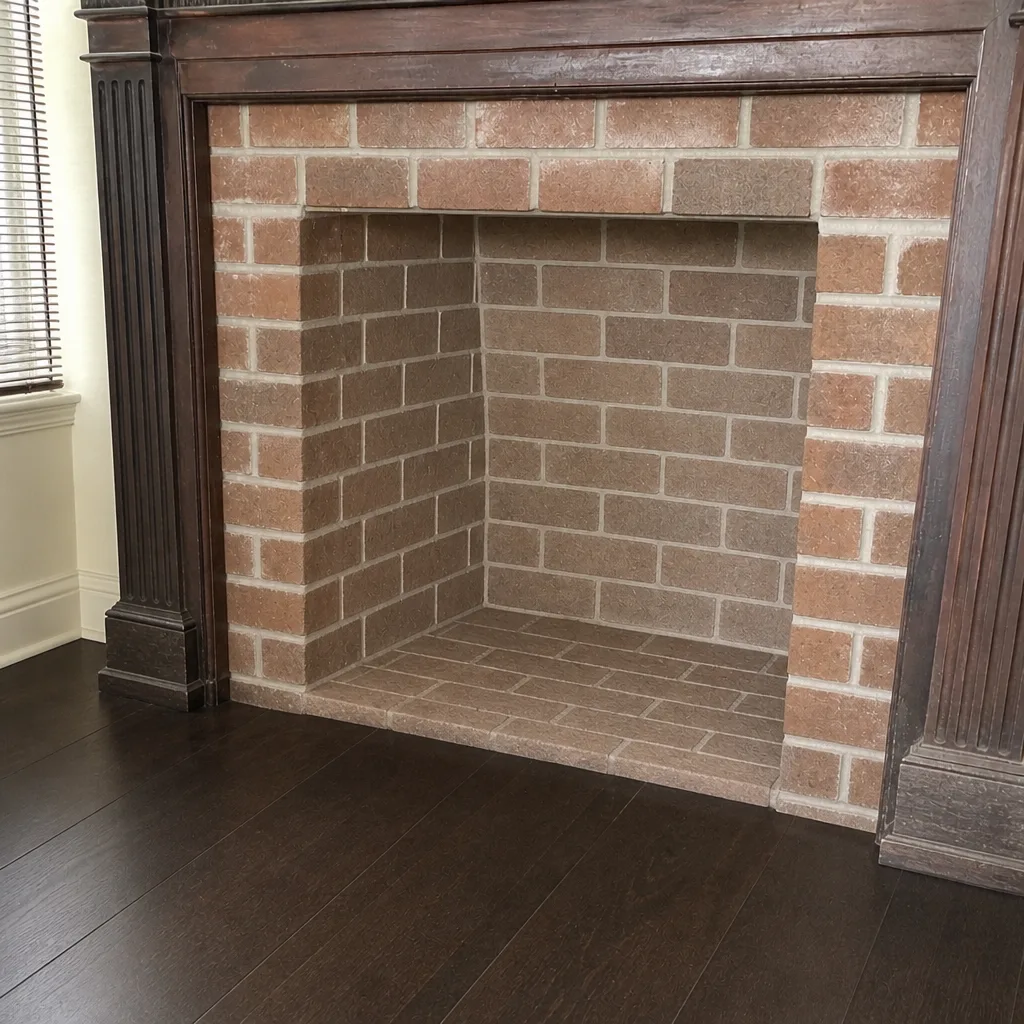
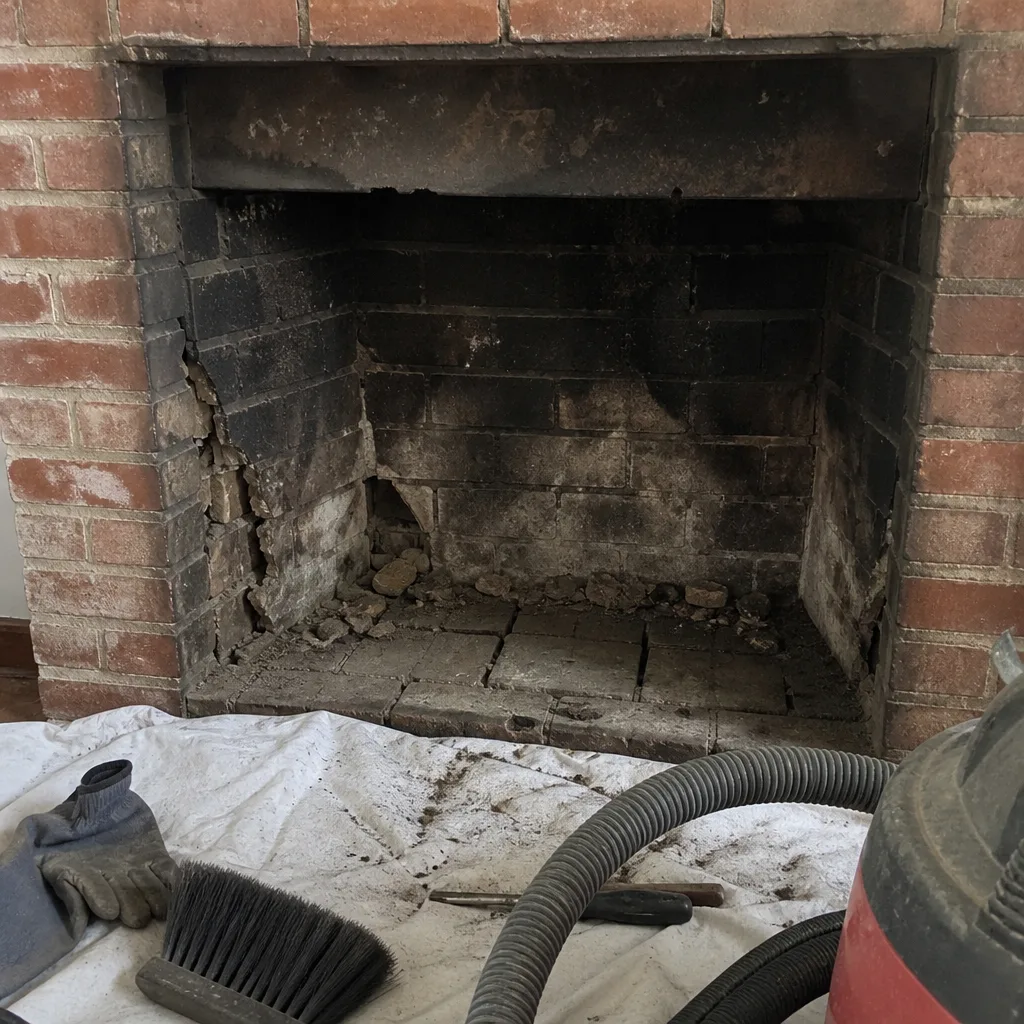
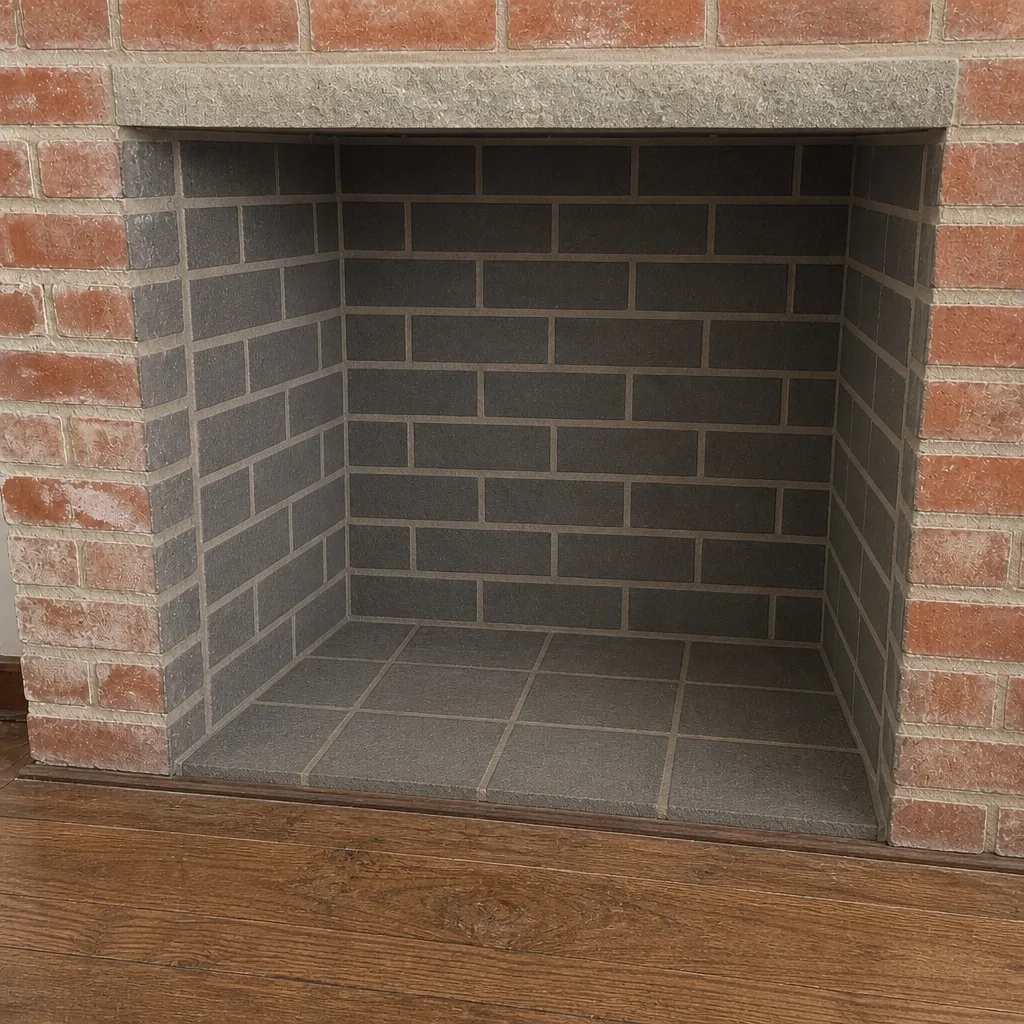
See the difference
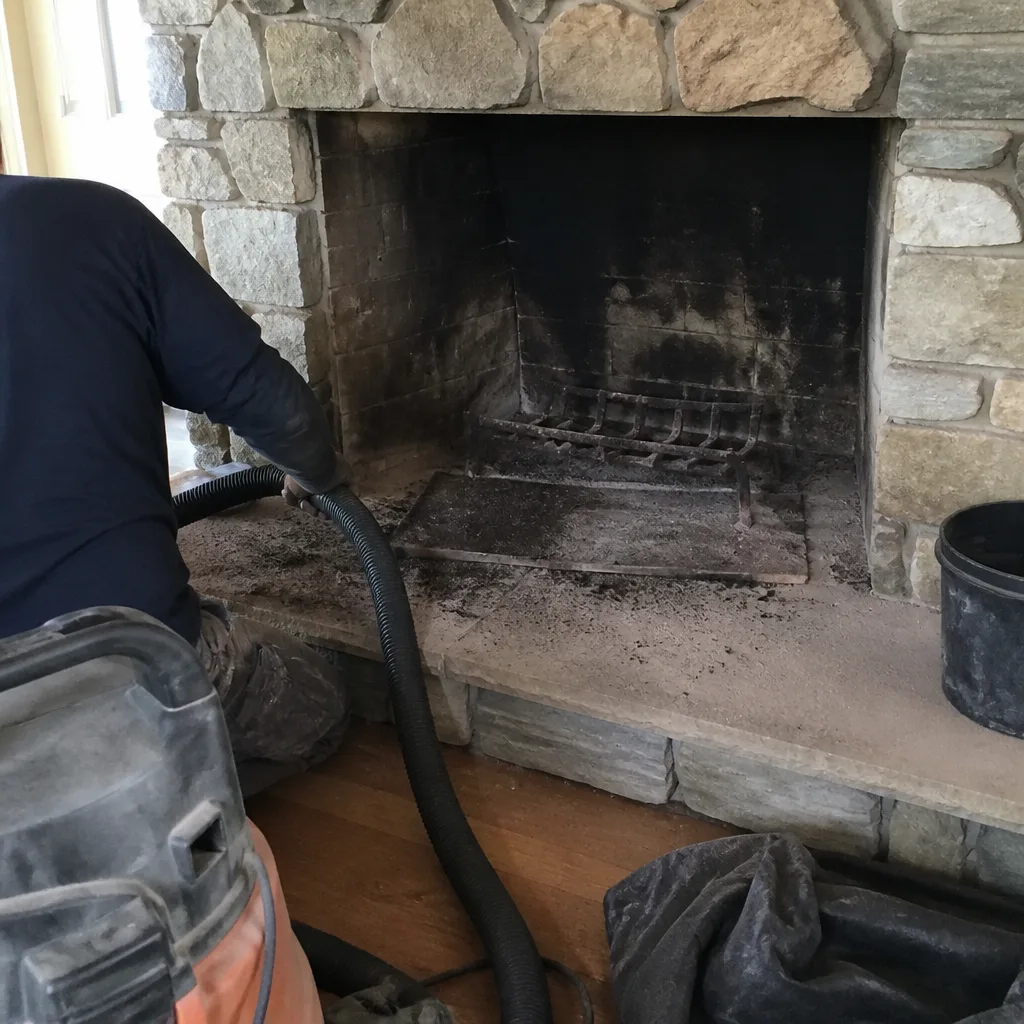 Before
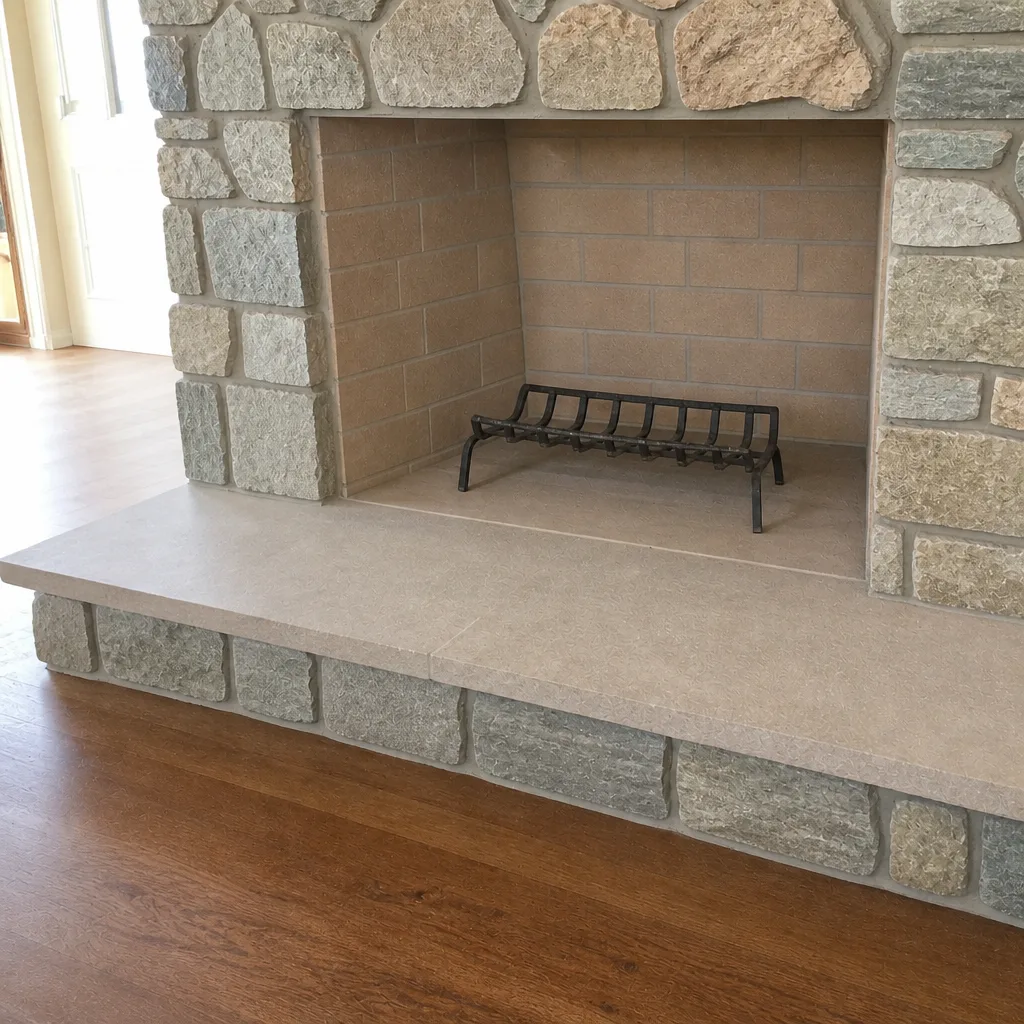 After
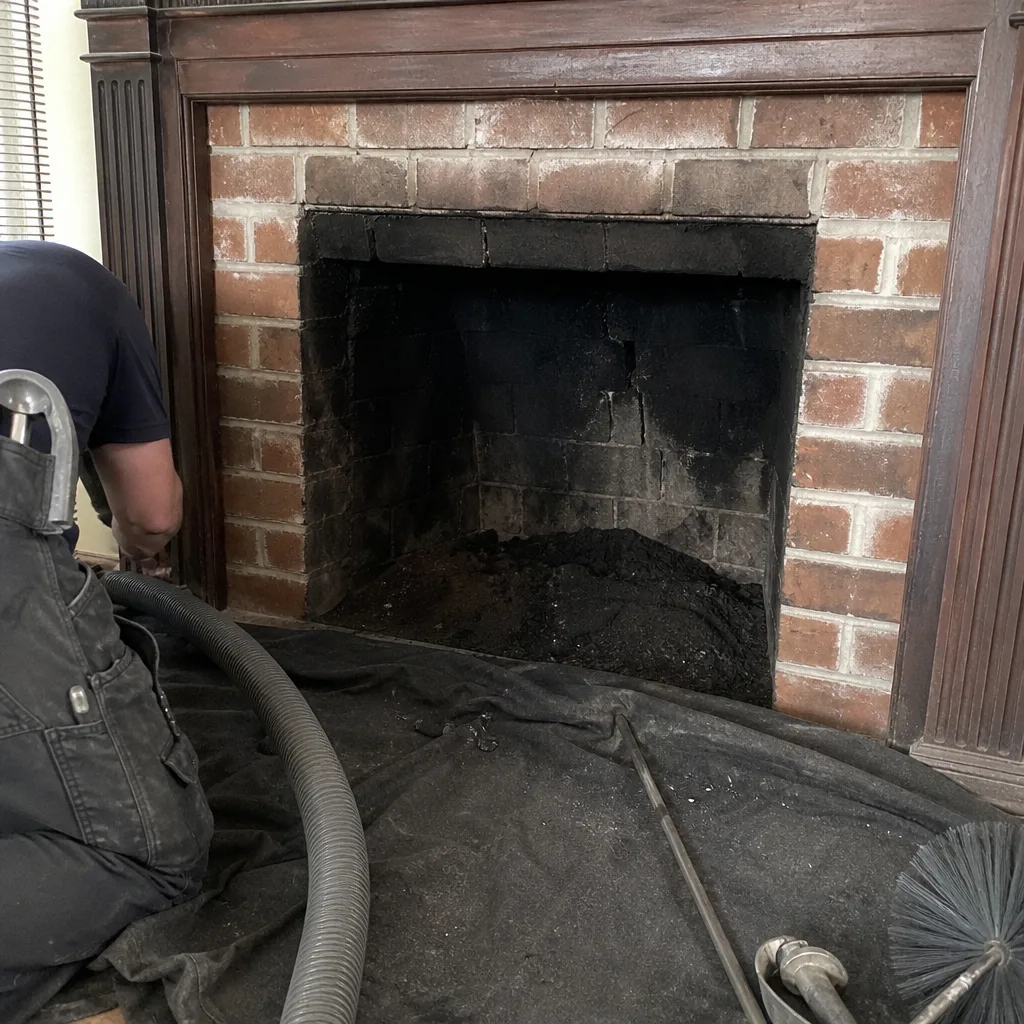 Before
 After
 Before
 After
When to Call a Professional
Call a professional when you’ve never had the chimney inspected, when it’s been more than a year since the last sweep, or when you notice any warning sign: flaking debris in the firebox, a musty smell in wet weather, smoke that backs up into the room, or white staining on the exterior brick. Call right away if you suspect a chimney fire has happened, even a small one, or if you’re buying a home and don’t know the chimney’s history. A trained technician can tell you what’s actually going on and what, if anything, needs fixing. We can also tell you plainly when work can safely wait. Belmont Chimney Cleaning offers free estimates in Portland. Call (866) 413-9023. We answer 24/7. Fast dispatch from 7am to 7pm, Sunday through Friday.
Frequently Asked Questions
A routine chimney sweep in Portland is typically priced per job, and the written estimate sets the final price. The cost depends on the chimney’s size, how much buildup there is, and whether the sweep uncovers a repair need like a damaged crown or a failing liner. Because every job is quoted individually, the estimate is the only reliable number. Call (866) 413-9023 for an exact quote. Estimates are free.
Only if the inspection shows the existing liner is cracked, spalled, or otherwise failing, and a camera inspection is the only honest way to know. A worn surface can sometimes be resurfaced rather than replaced, which is why we check before recommending anything. You see the camera evidence for yourself, and if the liner can safely wait, we’ll tell you. Call (866) 413-9023 for an exact quote. Estimates are free.
Once a year for a chimney in regular use, and that includes a fireplace you only light a few times a month. In Portland’s wet climate, occasional burning produces glazed creosote that builds up quickly, so the annual sweep is what keeps it from compounding season after season. Call (866) 413-9023 for an exact quote. Estimates are free.
Creosote keeps building on the flue walls, and in a damp, cool chimney it glazes into a layer that ignites at a lower temperature. That’s the fuel load behind most chimney fires. Meanwhile, moisture keeps working on the liner between fires, so a skipped sweep and a wet winter can both start a repair need. It’s worth a call to stay ahead of it. Call (866) 413-9023 for an exact quote. Estimates are free.
Yes. dryer vent cleaning is one of our three core services alongside chimney sweeping and repair, because lint is a fire fuel in the same way creosote is. Handling both under one company means one point of accountability for the venting in your home. Call (866) 413-9023 for an exact quote. Estimates are free.
A cleaning removes creosote and soot, while an inspection assesses the chimney’s condition. They’re separate jobs, though they’re usually done together. A Level 1 inspection is a visual check, a Level 2 adds a camera look at the accessible flue, and a Level 3 goes further when a serious problem needs a closer look. We include a camera inspection and photo report so you can see the evidence.
The Bottom Line
Chimney maintenance in Portland is shaped by a wet climate and by the way most people actually burn: occasionally, in a cold, damp flue that builds glazed creosote faster than a heavily used one. A proper service covers all four parts of the chimney, not just the flue, and includes a camera inspection so you know the liner’s condition rather than guessing. Sweep before the burning season, treat a cleaning and an inspection as two different things, and use professional tools and materials so deposits are removed rather than redistributed. When a sweep turns up a problem, one company that can clean, inspect, and repair keeps the accountability in one place.
Book Your Portland Chimney Service
Whether it’s your first sweep or you’re overdue, a clean chimney keeps combustion gases and fire risk where they belong: out of your home. Our technicians have up to 9 years of experience, and we handle sweeping, chimney sweep inspections, dryer vent cleaning, and repair as a single point of accountability. We use professional-grade materials from brands like HeatShield and DuraFlex rather than big-box alternatives. If you’re ready to schedule, reach out to the team at Belmont Chimney Cleaning and get a free estimate. Call (866) 413-9023. We answer 24/7. Fast dispatch from 7am to 7pm, Sunday through Friday.
Written by the team at Belmont Chimney Cleaning.