
Last updated November 14, 2026
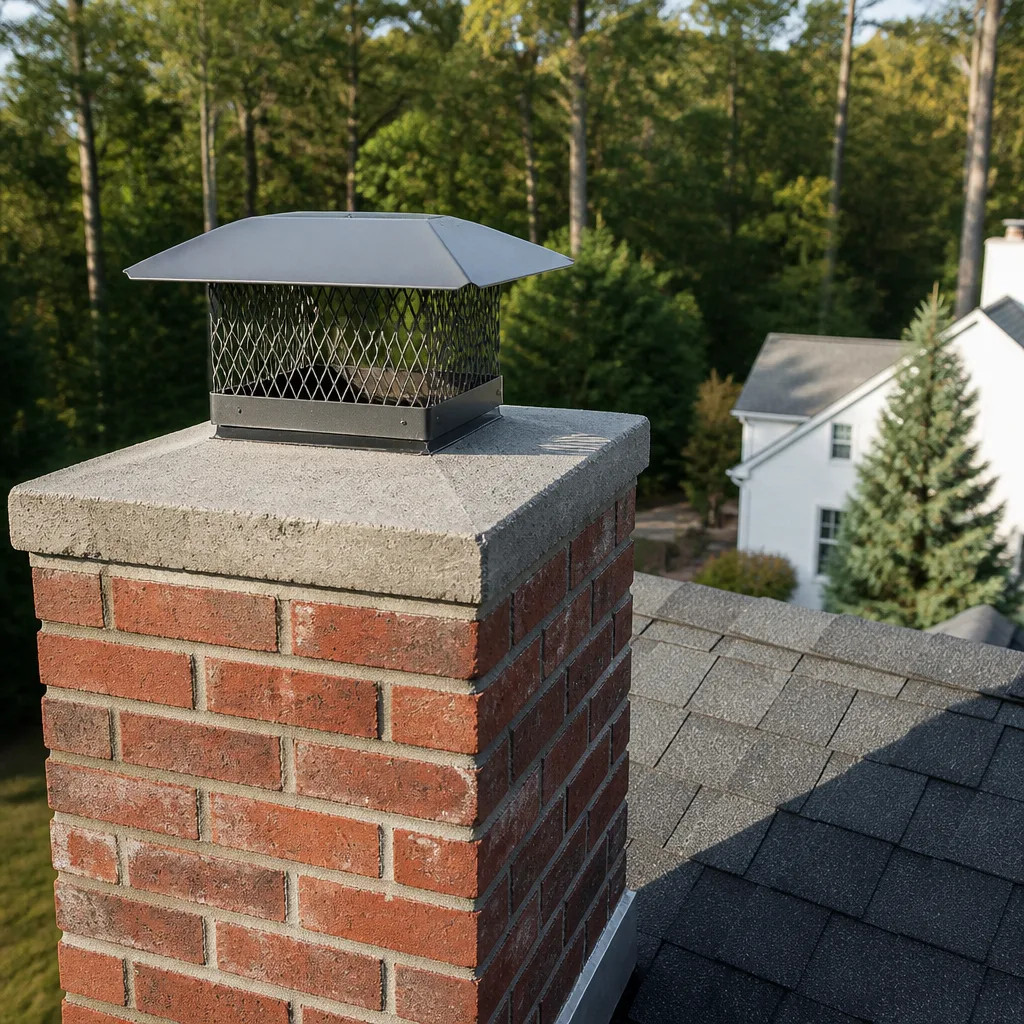 Sweep & inspection
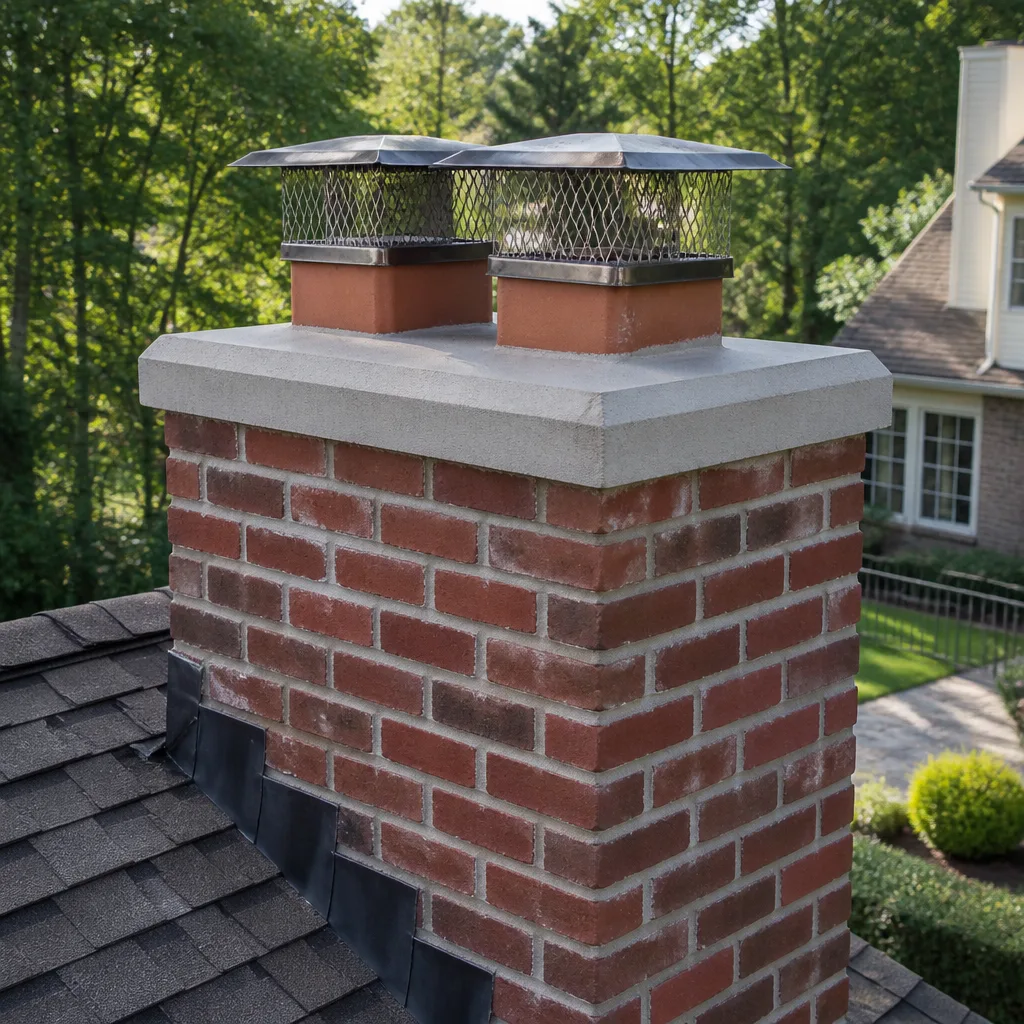 Caps & crowns
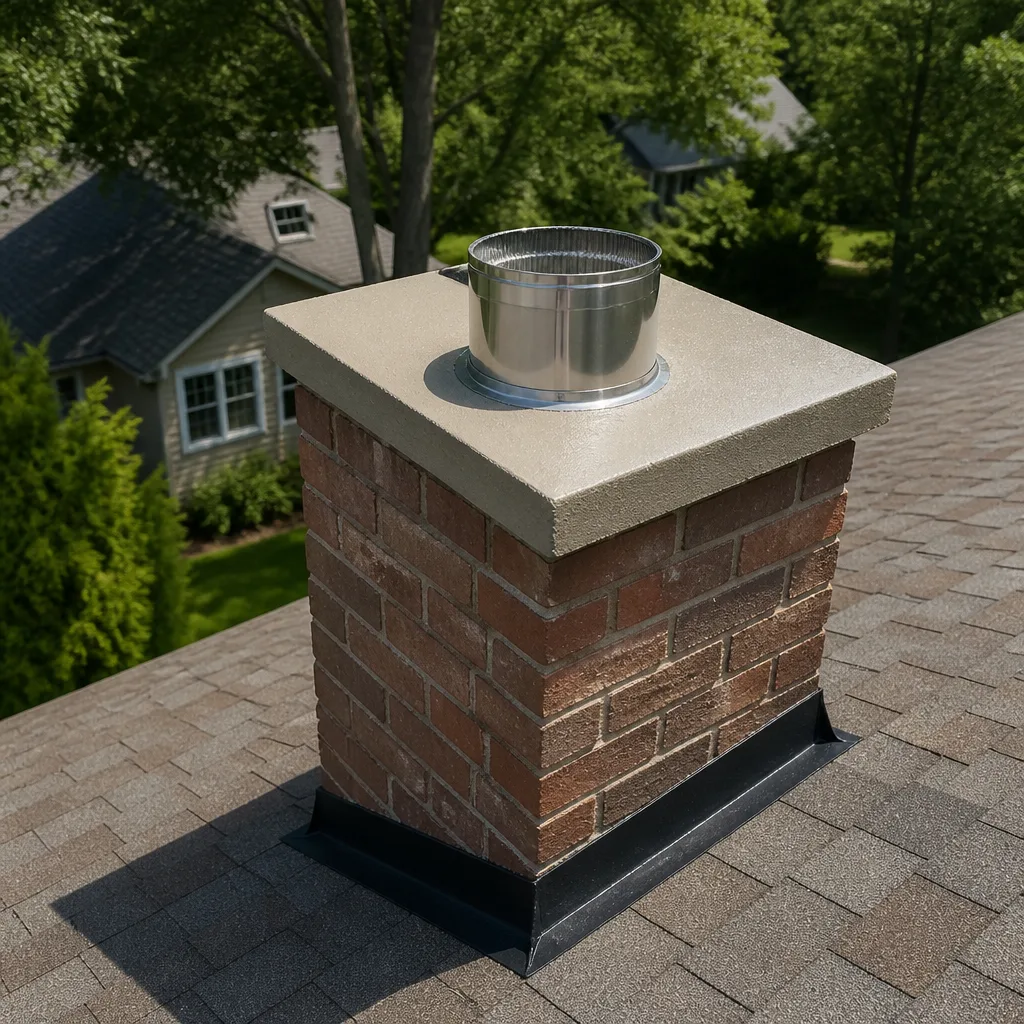 Flue relining
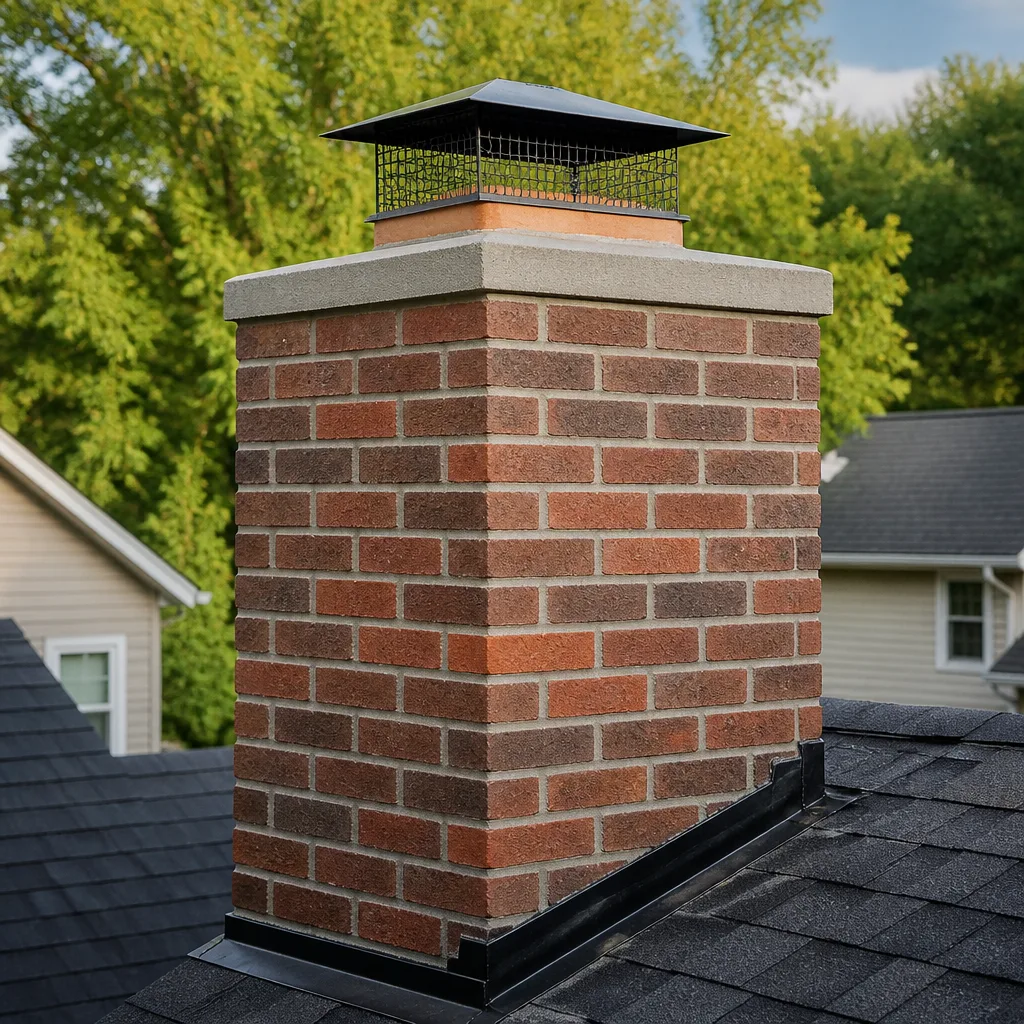 Masonry repair
 Gas fireplace service
Level 1 sweep and inspection to the NFPA 211 annual standard - flue, crown, cap, and flashing checked and photographed
Chimney sweep logs do not sweep chimneys. They loosen some creosote - which then falls where a brush and vacuum still have to collect it.
Seasonal Chimney Cleaning Care for Portland: Year-Round Homeowner’s Guide
Booking a sweep in October, along with everyone else, might be the least effective time to do it in Portland. Our fall is mild. Many homes here are still weeks from their first fire when the pre-season rush hits, and a chimney that sat through a wet spring and a dry summer has had months to develop damage nobody has looked at. A late-summer sweep catches that spring moisture damage before it compounds and leaves you ready for the first cool evening. This guide lays out a maintenance rhythm built around Portland’s actual seasons: intermittent burning, long wet springs, and shoulder months that coax the worst creosote out of a cool flue. You’ll learn what to watch for month by month, when to schedule each service, and when it’s safe to wait.
Quick Answer
In Portland, the best time for a chimney sweep is late summer to early fall (August into September), not the October rush, because it catches moisture damage from spring before it worsens and gets ahead of first use. Dryer vent cleaning is best done in mid-to-late spring and again in early winter, since lint accumulates year-round and a clogged vent is a fire hazard regardless of season. Your chimney should be swept annually when you burn regularly, and inspected if you burn occasionally but notice smoke, odor, or staining.
Styles & brands we work with
- Sweep & inspection
- Caps & crowns
- Flue relining
- Masonry repair
- Gas fireplace service
Table of Contents
- Why Late-Summer Sweeping Beats the October Rush in Portland
- What Portland’s Wet Spring Does to Your Chimney
- Shoulder Seasons and Creosote: Why Cool Flues Build Up Faster
- Dryer Vent Cleaning Timing: Why Late Fall Is Too Late
- A Month-by-Month Reference for Portland Homeowners
- Sweep vs. Inspection: What You Actually Need and When
- Repairs We Find and How We Handle Them
Why Late-Summer Sweeping Beats the October Rush in Portland
The instinct is to book your sweep when the first cold snap hits. In Portland that means calling in October, when every other homeowner in the metro has the same idea and the schedule is packed. But the better window opens in August and runs through September. Here’s why.
A chimney that sat unused since spring has collected whatever the wet season and the dry months left behind: soot, creosote from last winter, moisture-driven flaking masonry inside the flue, and sometimes nesting material from birds or squirrels. By August that material has had months to dry and settle. A sweep in late summer removes it before the first fire, and more importantly before the cool damp air of fall pushes moisture into cracks and flaking joints. If there’s liner damage or a failing flue tile, an August sweep finds it when there’s still time to schedule repair work before you need the fireplace.
There’s a practical side too. Late summer is a calmer booking window. You’re not competing with the October crowd, and if the sweep turns up something that needs a repair, you have room in the calendar to get it done. In our experience, homeowners who book in August get their chimney looked at while there’s still breathing room, and homeowners who wait for the first cold night often spend the first month of the season wondering whether a flue is safe.
This timing matters even more in Portland than in colder regions, because many homes here don’t burn every day. That intermittent pattern means creosote builds unevenly. A chimney that saw a few fires in October, a handful in December, and a few more in February can look cleaner than it is. A late-summer sweep resets the slate and tells you exactly what the flue has been doing all year. If you’re ready to book, our chimney sweep service is the place to start.
What Portland’s Wet Spring Does to Your Chimney
Portland’s spring rain is a slow, steady soak. It doesn’t pound a chimney the way a summer stormcell does, but it keeps masonry damp for weeks. When water works into brick, mortar joints, and flue tile, it does the kind of damage you only find with a camera and a trained eye. That’s why spring is the season to look, not the season to assume.
There are specific signs that winter moisture has gotten in. You don’t need to climb anything to spot most of them:
- White chalky staining on exterior brick. That’s efflorescence, mineral salts pushed out by moisture working through the masonry. It’s a sign water is moving through the chimney.
- Crumbling mortar joints. If the joints between bricks look sandy or recessed, water has been working on them through the wet months.
- Rust on the firebox or damper. Rust inside the firebox usually means water is coming down the flue, often from a missing or failing rain cap.
- Interior staining or a musty smell near the hearth. Dark streaks on the chimney breast or a damp smell in the room can point to a leak path through the masonry or flashing.
- Spalled flue tile. Flaking or cracked tile inside the flue, usually found during a sweep or inspection with a camera, is the kind of damage that only gets worse until it’s addressed.
- Water in the firebox after heavy rain. A little condensation is normal; standing water is not.
Spring moisture damage is not cosmetic. A damp flue can crack further with the next heating cycle, and a compromised flue liner is a path for combustion gases to leave the chimney before they reach the top. We’d much rather see the problem in May, when it’s a repair, than in November, when it’s a safety concern. This is where a professional-grade lining material earns its keep. We use DuraFlex liners for relining work because a flexible stainless liner is the kind of repair that matches the flue’s actual path rather than forcing an imperfect fit. If you’re due for a look this spring, our Belmont Chimney Cleaning team can schedule an inspection with photo documentation you keep.
Shoulder Seasons and Creosote: Why Cool Flues Build Up Faster
Portland’s shoulder seasons, the stretch from October into November and again from March into April, are the sneaky ones for creosote. It’s not the cold that causes creosote buildup. It’s the combination of cool flue temperatures and low, smoldering fires, and shoulder-season weather produces exactly that combination.
Here’s the mechanism. When you light a fire on a mild evening, the flue hasn’t been warmed by a week of regular burning. The masonry is still cool, and the smoke moving up the flue hits that cool surface and condenses. Cool flue, low fire, slow draft: you get wet, sticky creosote. It’s the same pattern that shows up in spring when you’re burning small fires to take the chill off. Those short, low fires are often worse for your flue than a few hard burns in January.
Creosote shows up in three general forms, and the third is the one to worry about:
- Stage 1: soot and light dust. Flaky and easy to brush away. This is normal from regular burning.
- Stage 2: crusty or brittle. Adherent creosote that needs effort to remove and signals your fires are running cool or your chimney isn’t drafting well.
- Stage 3: glazed and hardened. A shiny, tar-like coating that brushing alone often can’t touch. This is the form most associated with chimney fires, and it’s why a sweep that finds Stage 3 creosote sometimes turns into a relining conversation.
In Portland, the shoulder seasons are exactly when Stages 2 and 3 develop fastest, because the fires are small, the flue stays cool, and the pattern repeats through October, November, and again in March and April. If you’ll be burning through a shoulder month, a sweep at the end of it is the smart move, not a sweep only at the start of the season. Using professional-grade brushing materials from a brand like Copperfield means the sweep actually lifts Stage 2 creosote rather than just skimming the easy soot. When a sweep finds glazing that brushing won’t remove, HeatShield resurfacing can restore deteriorating flue tiles without a full rebuild, which is often the more sensible repair.
Dryer Vent Cleaning Timing: Why Late Fall Is Too Late
Most homes schedule dryer vent cleaning in the fall, when the lint problem becomes a fire concern on the radar. But by then the vent has been accumulating lint all year, and late fall is the worst time to discover a clog: you’re heading into the season of heavier drying (blankets, sweaters, wet coats) with a vent that’s already half-blocked. The better windows are mid-to-late spring and, if you want a second pass, early winter.
Lint is the fire fuel here, and it doesn’t need a flame. A clogged vent traps hot air and lint in close proximity to the heat source, and that’s the documented leading cause of home dryer fires. Chimneys and dryer vents share the same risk profile: creosote and lint are both fuels, and both build up quietly. That’s why cleaning both is part of a complete annual routine, not two separate errands.
In spring, a vent cleaning clears out lint from the winter drying season and leaves you with a clean vent heading into summer’s laundry load. By early winter, lint has built again from fall. If you only do it once a year, do it in spring. If you dry heavier or have a longer vent run to the outside, twice a year makes sense. A sweep visit is the natural time to schedule it, and our dryer vent cleaning service runs alongside our chimney work, so you’re not coordinating two separate trades. If you’re in the Portland area and want both handled on the same visit, that’s exactly how we like to work.
A Month-by-Month Reference for Portland Homeowners
Portland’s climate doesn’t split neatly into “burning” and “not burning.” Many homes burn a few times in October, a stretch in December and January, and again in March, with quiet gaps in between. That rhythm calls for a month-by-month map, not a four-season one. Here’s what to observe, schedule, or defer each month.
| Month | What to Observe | What to Schedule | What to Defer |
|---|---|---|---|
| January | Draft quality; smoke spill on light-up | Mid-season sweep if you burn heavily | Exterior masonry repairs (cold limits mortar cure) |
| February | Dark smoke, slow draft; keep firebox clear | Nothing new; ride out the burning season | Full inspection, if chimney was recently swept |
| March | Creosote from shoulder-season fires; dampness | Spring sweep after last fires | Large exterior repairs |
| April | Exterior brick staining; firebox rust; flashing | Inspection and camera scan of the flue | Non-urgent repair decisions until inspection results return |
| May | Interior staining; musty odor; water in firebox | Repair work (mortar, cap, flashing) | Nothing major; this is prime repair weather |
| June | Dry-out; look for cracking after winter damage | Relining work if inspection flagged it | Nothing worth deferring |
| July | Dry, warm weeks; good for evening use with small fires | Nothing required; prep for August sweep | None |
| August | Pre-season check on cap, screen, damper | Annual sweep (the best window) | None |
| September | Confirm flue is clean and drafting before first fire | Dryer vent cleaning if not done in spring | None |
| October | Watch first fires for smoke spill; don’t overload | If your chimney is already swept, nothing | Booking a sweep at the peak; you’re competing for slots |
| November | Creosote from shoulder-season fires; draft | Mid-season sweep if you burn regularly | Exterior sealing and masonry work as the wet season opens |
| December | Heaviest burning; check the cap after storms | Nothing new if you swept in late summer | Major repairs; coordinate spring repair instead |
The single most useful thing on that table is the August – September sweep. It’s the anchor of the year. Everything else, from spring inspection to repair scheduling, works backward from that date. The second most useful thing is the April inspection: that’s the month when winter moisture damage is most visible, and when you have the clearest run at scheduling repair work before the burning season begins again. Portland’s wet weather makes that April scan the difference between catching a problem early and discovering it in the middle of a fire.
Sweep vs. Inspection: What You Actually Need and When
A sweep cleans; an inspection assesses. They’re not the same, and knowing which one you’re due for saves you from either overpaying or skipping something important.
A sweep removes soot and creosote from the flue and firebox and cleans the smoke chamber and damper area. It’s the routine annual service for a chimney you burn in regularly. An inspection is a visual and, ideally, camera-based assessment of the entire system: flue interior, liner integrity, firebox, smoke chamber, cap, flashing, and the exterior masonry. Most visits should include both. When you book a sweep, the technician should inspect as they work and show you what they found.
Which do you actually need? Here’s the practical division:
- Sweep annually if you burn wood regularly. The standard guidance is once a year, or more often if you burn heavily or see creosote buildup.
- Inspect before you start a new season if you skipped last season, if you’ve never had the flue looked at since buying the house, or if you notice smoke, odor, staining, or rust.
- Inspect after a chimney fire, even a small one, or after any chimney-related event like a cracked cap or a flue that suddenly drafts poorly.
- Inspect before you buy or sell. A camera inspection gives the buyer and the seller a shared factual record, which is worth more than a verbal assertion.
- Inspect after a wet Portland spring if you live in a neighborhood where interior masonry dampness tends to show up: older homes with exterior chimney construction tend to be more vulnerable than newer builds.
When we inspect, we use camera equipment and provide a photo report so you can see the flue yourself, not just take our word for it. That matters because chimney work has a reputation for upselling, and a homeowner with photos of their own flue can make an informed decision. Our technicians have up to 9 years of experience, and we walk you through what the camera shows before recommending anything.
Repairs We Find and How We Handle Them
A sweep is the entry point, but the reason we carry professional-grade repair materials is that the sweep often finds something worth fixing. In Portland, the most common repairs after a wet spring and a shoulder-season burn cycle are liner issues, masonry deterioration, and water intrusion at the top of the chimney.
Here’s what we find and what the repair involves:
- Deteriorating flue tiles. Flue tiles crack and spall with moisture and heat cycling. HeatShield resurfacing can restore deteriorating tiles without a full rebuild, which is often the more sensible repair. When the liner itself is compromised, a DuraFlex stainless liner relining is usually the better long-term fix.
- Damaged caps and screens. A missing or cracked cap lets water and animals into the flue. Replacing a Famco cap is a small job with a big effect on water intrusion.
- Cracked mortar and spalling brick on the exterior. Portland’s wet springs work on mortar joints. Repointing is maintenance; putting it off turns it into a rebuild.
- Failing flashing at the roofline. Flashing is where most chimney leaks start. Resealing it is straightforward; ignoring it means water in the attic.
- Glazed Stage 3 creosote. Brushing alone often won’t remove it. In some cases resurfacing or relining is the right approach rather than repeated scrubbing.
We come prepared to fix what we find, not just report it. That’s a practical difference for the homeowner: a sweep-and-repair company will handle the entire visit, whereas a sweep-only visit often becomes a second appointment later. We use the same professional-grade materials chimney engineers specify, including HeatShield and DuraFlex for liners, Copperfield for brushing, and Famco for caps, rather than hardware-store substitutes. That matters for the long-term performance of the repair, not just the current visit.
Common Mistakes to Avoid
- Waiting for your first cold-weather fire to book a sweep. In Portland, the October call is the busiest of the year. Booking in late summer gets you more appointment room and finds damage with months of repair runway left.
- Burning small, smoldering fires through the shoulder months. This is the creosote accelerator. Cool flue plus low fire plus slow draft is exactly how Stage 2 and 3 creosote forms, and Portland’s shoulder seasons are where it happens most.
- Skipping the spring inspection after a wet winter. Water is the slow killer of masonry. April is when the winter’s damage is most visible, and when you have the calendar to fix it before the burning season returns.
- Cleaning the chimney once and calling the dryer vent done. Lint is a fire fuel the same way creosote is, and the dryer vent doesn’t clean itself. Schedule it in spring, not when the vent has had two seasons of buildup.
- Assuming a sweep is the same as an inspection. A sweep cleans; an inspection assesses. Book a visit that includes both and gives you photo documentation you can review.
- Taking a verbal “needs relining” as final. Ask to see the camera footage. A flue that’s actually compromised will show it on camera, and you should be able to look at the evidence yourself.
- Using hardware-store parts for a repair. Caps, liners, and mortar materials from professional-trade brands hold up differently in a wet climate. A cheap cap is a recurring leak; a DuraFlex liner is a decade-scale repair.
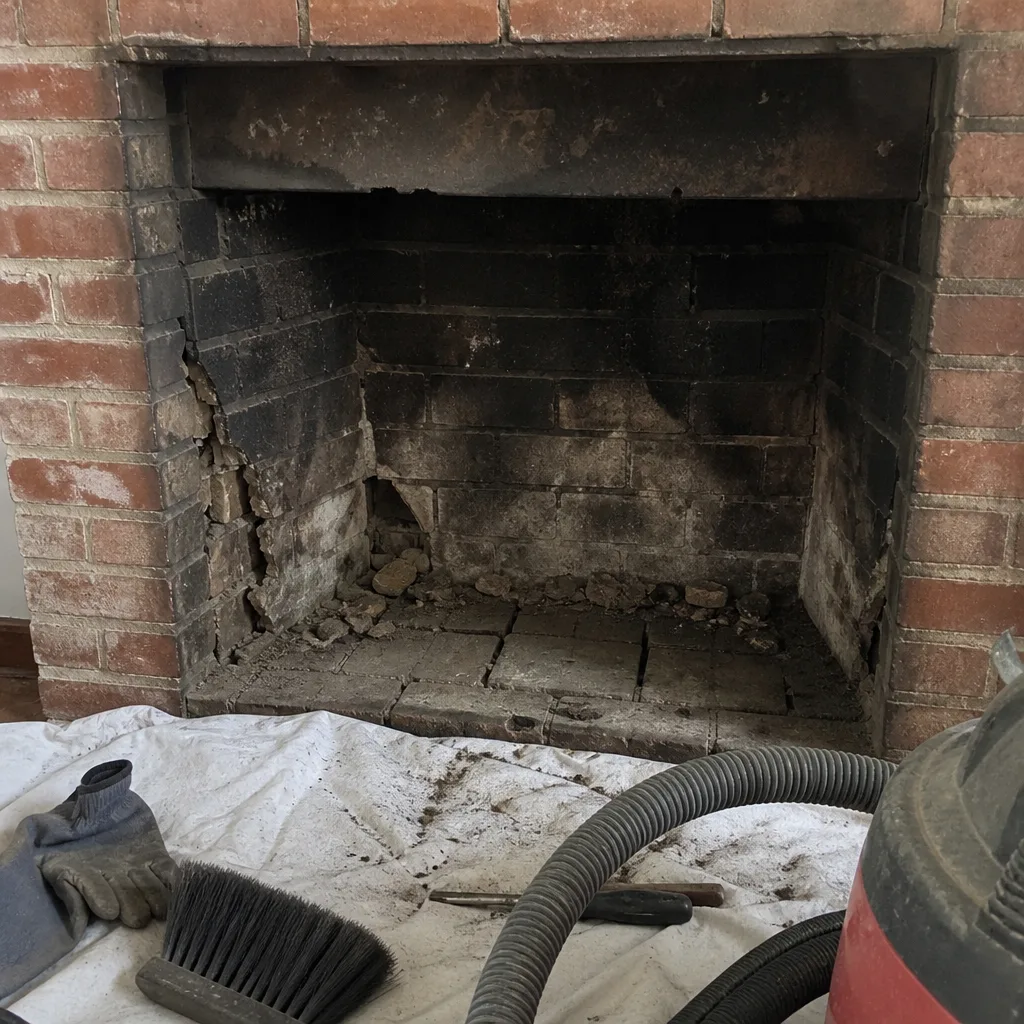
See the difference
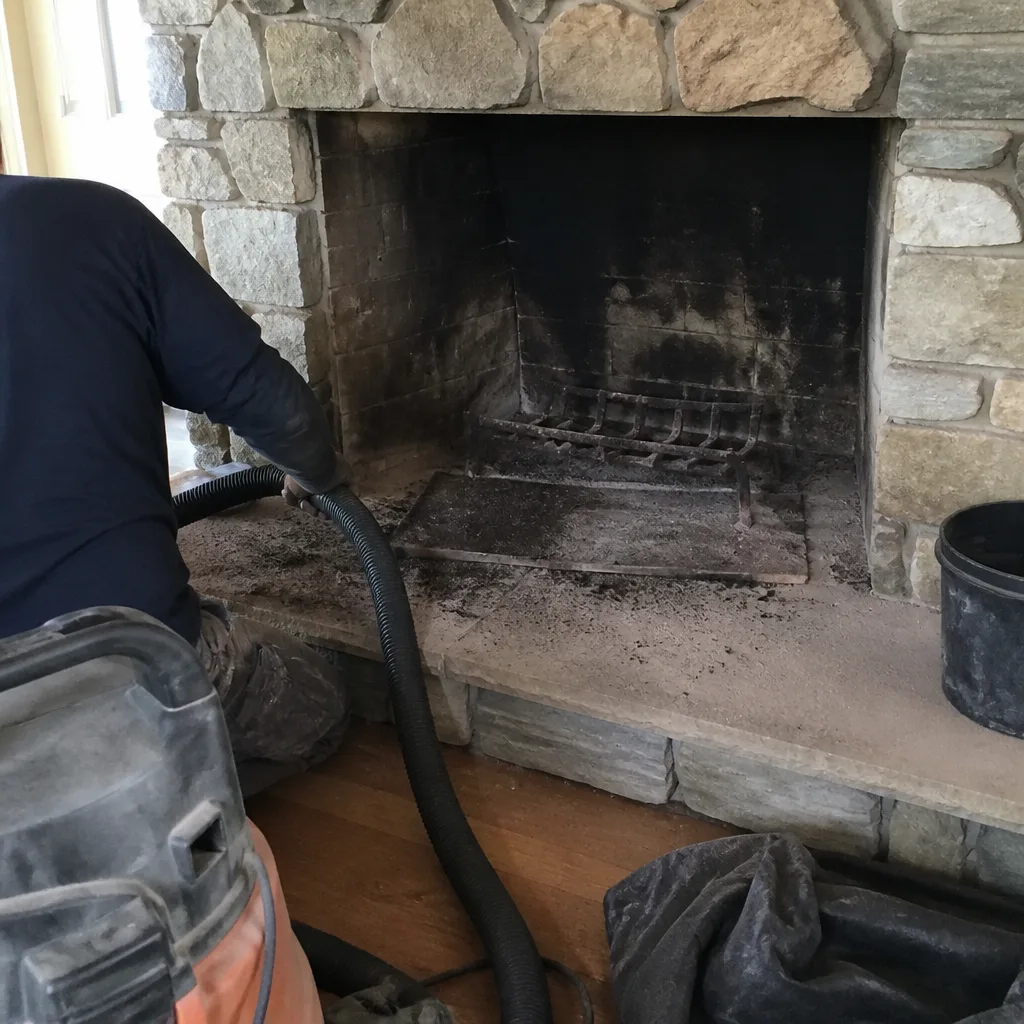 Before
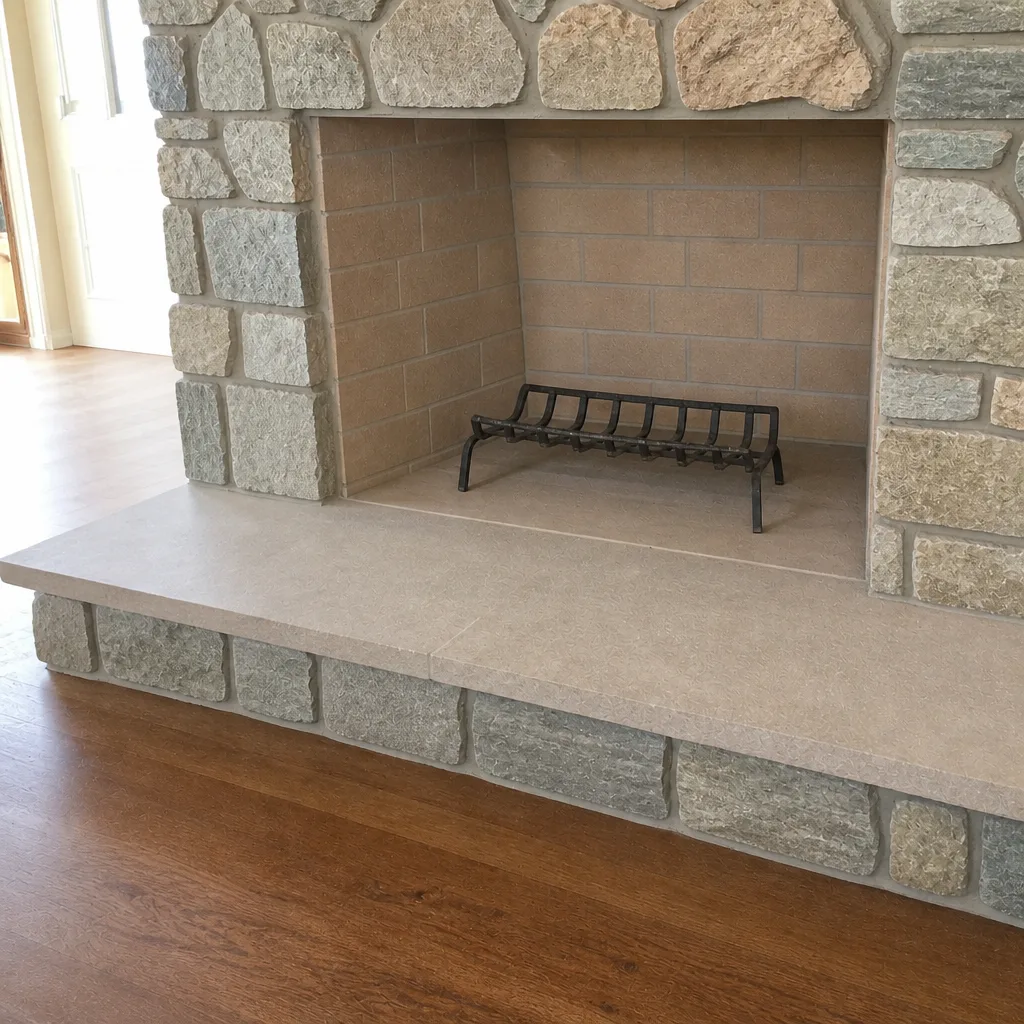 After
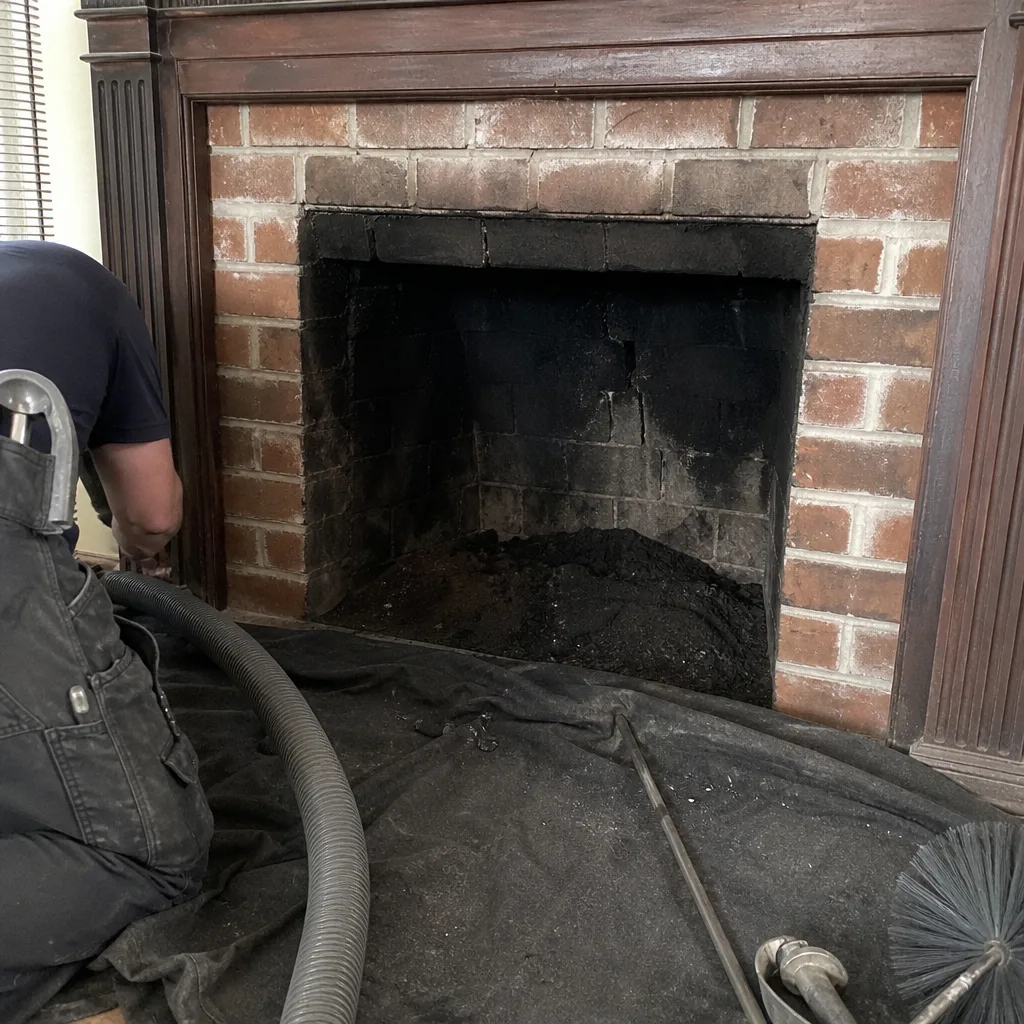 Before
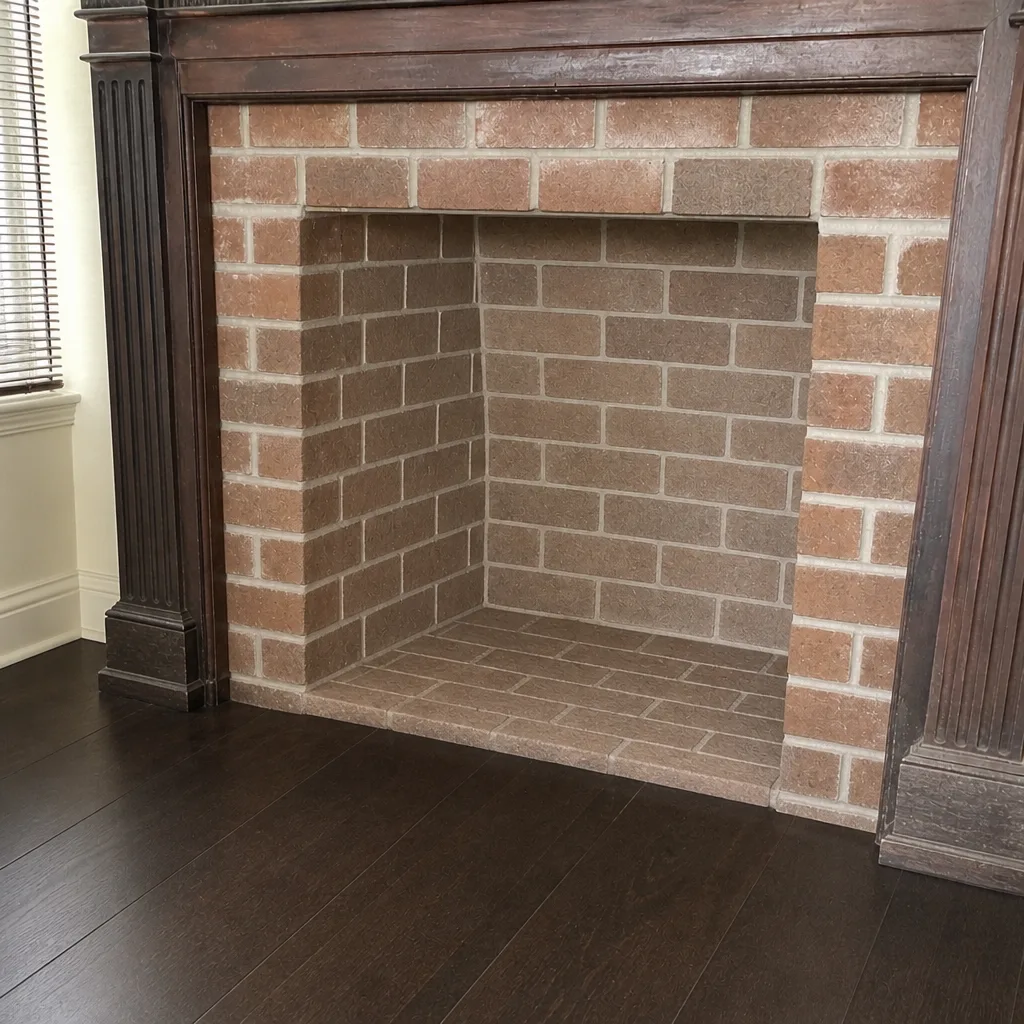 After
 Before
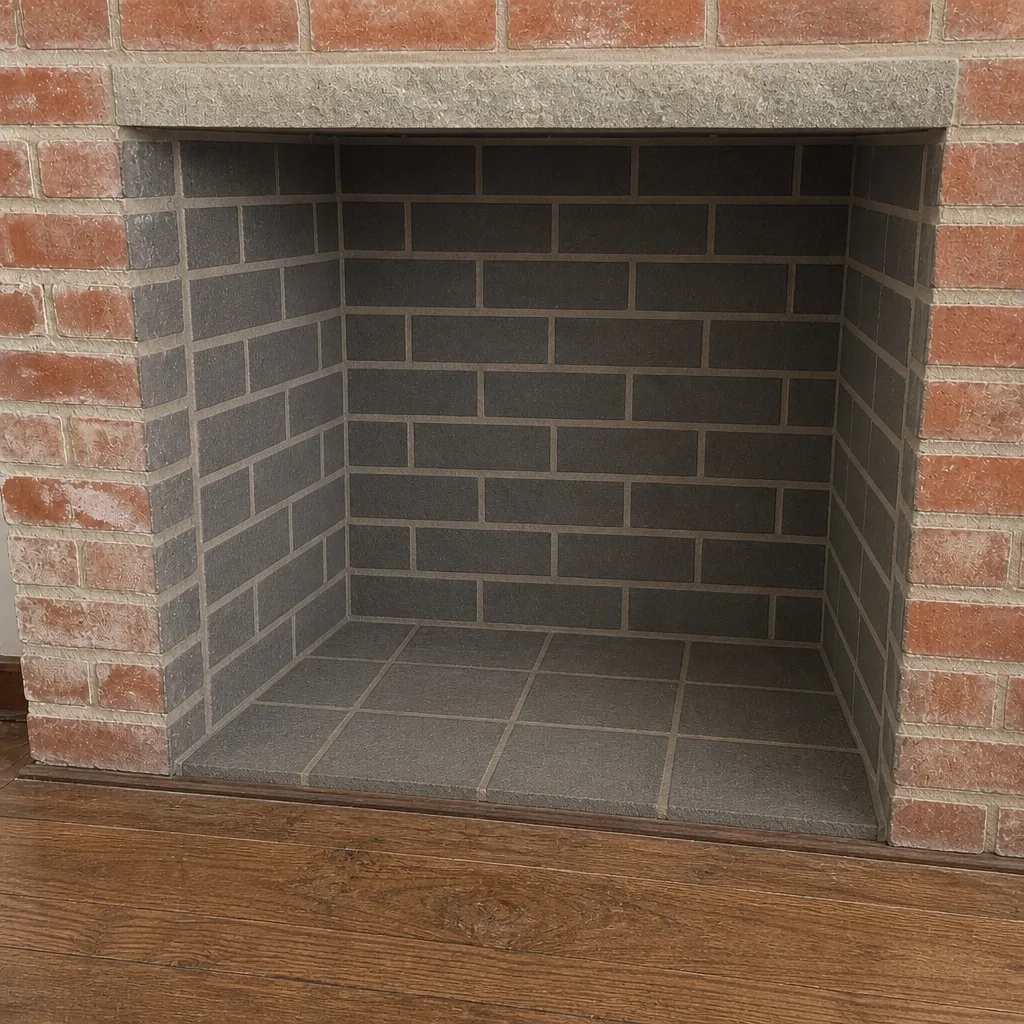 After
When to Call a Professional
Call a professional if you notice smoke spilling into the room when you light a fire, a strong draft or draft reversal, dark stains on the chimney exterior, rust in the firebox, or a musty smell near the hearth. Call if you’ve never had the flue inspected, if you’ve had a chimney fire, if you’re buying or selling a home, or if your flue has never been looked at with a camera. Call if you’re seeing glazed creosote that brushing won’t touch. And call if you’re not sure, because a small problem found in spring is a repair, and the same problem in November is a safety concern. Belmont Chimney Cleaning offers free estimates in Portland: call (866) 413-9023. We answer 24/7. Fast dispatch from 7am to 7pm, Sunday through Friday.
Frequently Asked Questions
Once a year if you burn wood regularly, and an inspection if you burn occasionally but notice smoke, odor, or staining. In Portland, the late-summer sweep (August – September) is the best-timed annual service because it catches spring moisture damage before it worsens. If you burn heavily through the shoulder months, add a mid-season sweep. Call (866) 413-9023 for an exact quote: estimates are free.
Late summer to early fall is the best window for the annual sweep. It gets ahead of the October rush, catches any moisture damage from the wet spring, and leaves you with a clean flue before the first fire. A spring inspection in April is a useful second touchpoint for finding winter damage. Order of operations matters: sweep in August, inspect in April. Call (866) 413-9023 to book either.
Skipping one year doesn’t guarantee a chimney fire, but it does mean creosote keeps building, moisture damage keeps progressing, and small problems keep getting larger. In Portland, where shoulder-season burning accelerates creosote formation, a skipped year is a year of accumulated Stage 2 creosote and possibly moisture-driven liner damage. The cost of a sweep is a fraction of the cost of a reline, and a sweep tells you whether the flue is safe. Call (866) 413-9023 for an inspection and estimate.
You need dryer vent cleaning at least once a year, best timed in spring after the winter drying season, with a second pass in early winter if you dry heavily or have a long vent run. Lint is a fire fuel just as creosote is. Chimney and dryer vent cleaning share a timing logic around the seasons. Call (866) 413-9023 to schedule both together.
You can spot the outward signs yourself: white chalky staining on exterior brick, crumbling mortar joints, rust in the firebox, damp smell near the hearth, or interior staining on the chimney breast. What you can’t see without a camera is the condition of the flue tile and liner. A camera inspection with a photo report is the reliable answer. Call (866) 413-9023 to book an inspection in Portland.
Each service is priced per job by a written estimate, and the estimate is free. We give an exact range for your chimney and home once we’ve seen it, then honor that written number. Typical seasonal maintenance runs a sweep plus an inspection as the standard annual service. Call (866) 413-9023 for an exact quote; estimates are free.
The Bottom Line
The most useful change most Portland homeowners can make is moving the annual sweep from October to late summer. That single scheduling shift catches spring moisture damage before it compounds, gets you ahead of the pre-season rush, and gives you room to schedule any repair work found along the way. Add an April inspection to check what the wet season left behind, keep an eye on the shoulder-season creosote that Portland’s mild burning pattern encourages, and treat dryer vent cleaning as seasonally timed maintenance, not an afterthought. A sweep, an inspection, and a dryer vent cleaning, all on a rhythm built around Portland’s actual weather, are the core of year-round care. If you’re ready for a look, call us.
Belmont Chimney Cleaning handles chimney sweeping, dryer vent cleaning, and chimney repair as a single point of accountability, using professional-grade materials from DuraFlex, HeatShield, Copperfield, and Famco. To schedule a Portland service visit, call (866) 413-9023 for a free estimate. We answer 24/7. Fast dispatch from 7am to 7pm, Sunday through Friday.
Written by the team at Belmont Chimney Cleaning.