
Last updated November 14, 2026
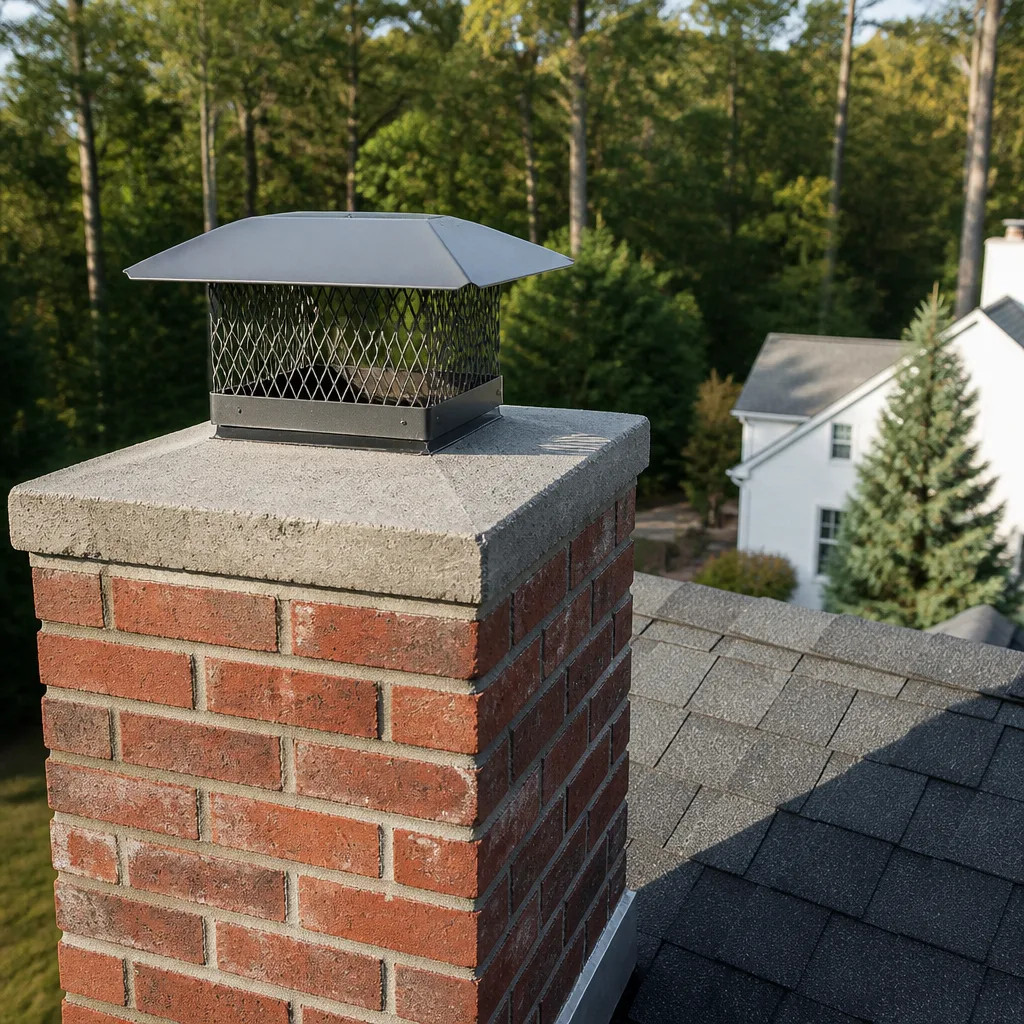 Sweep & inspection
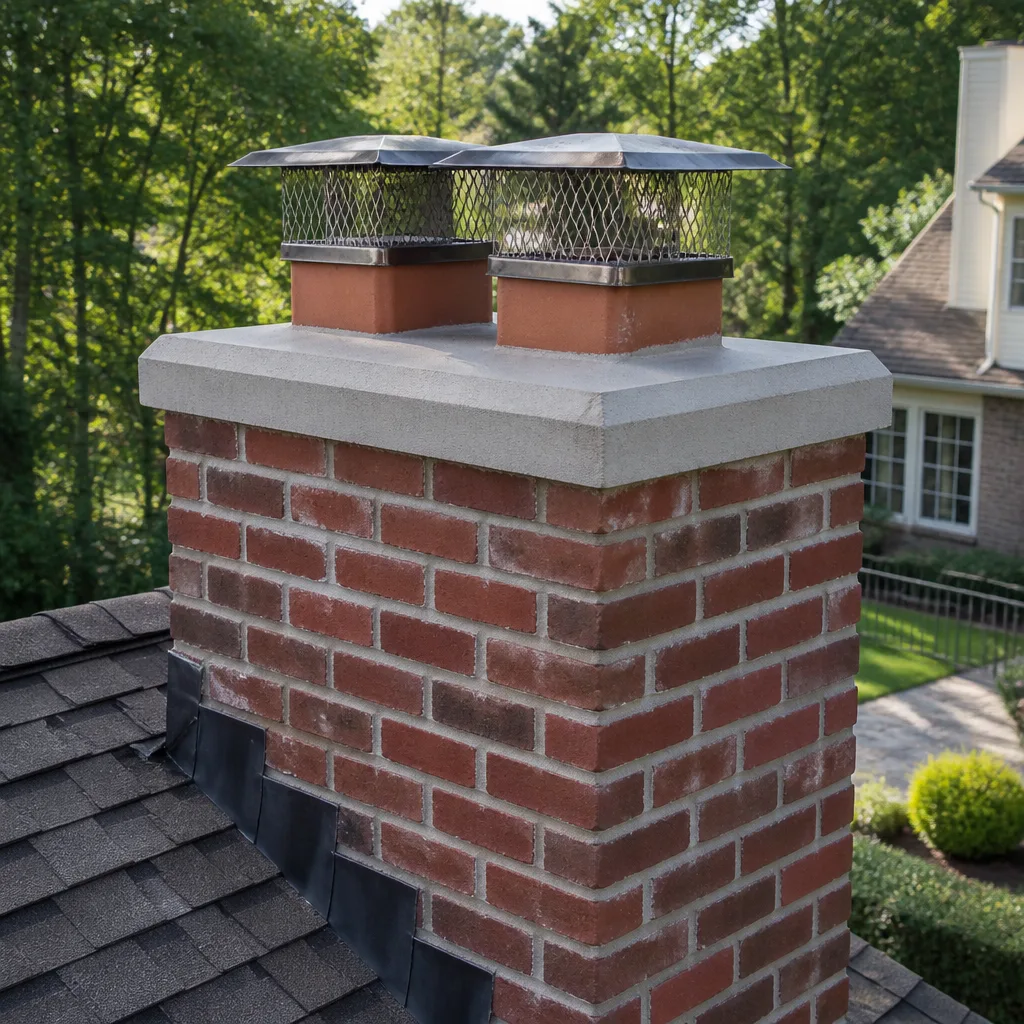 Caps & crowns
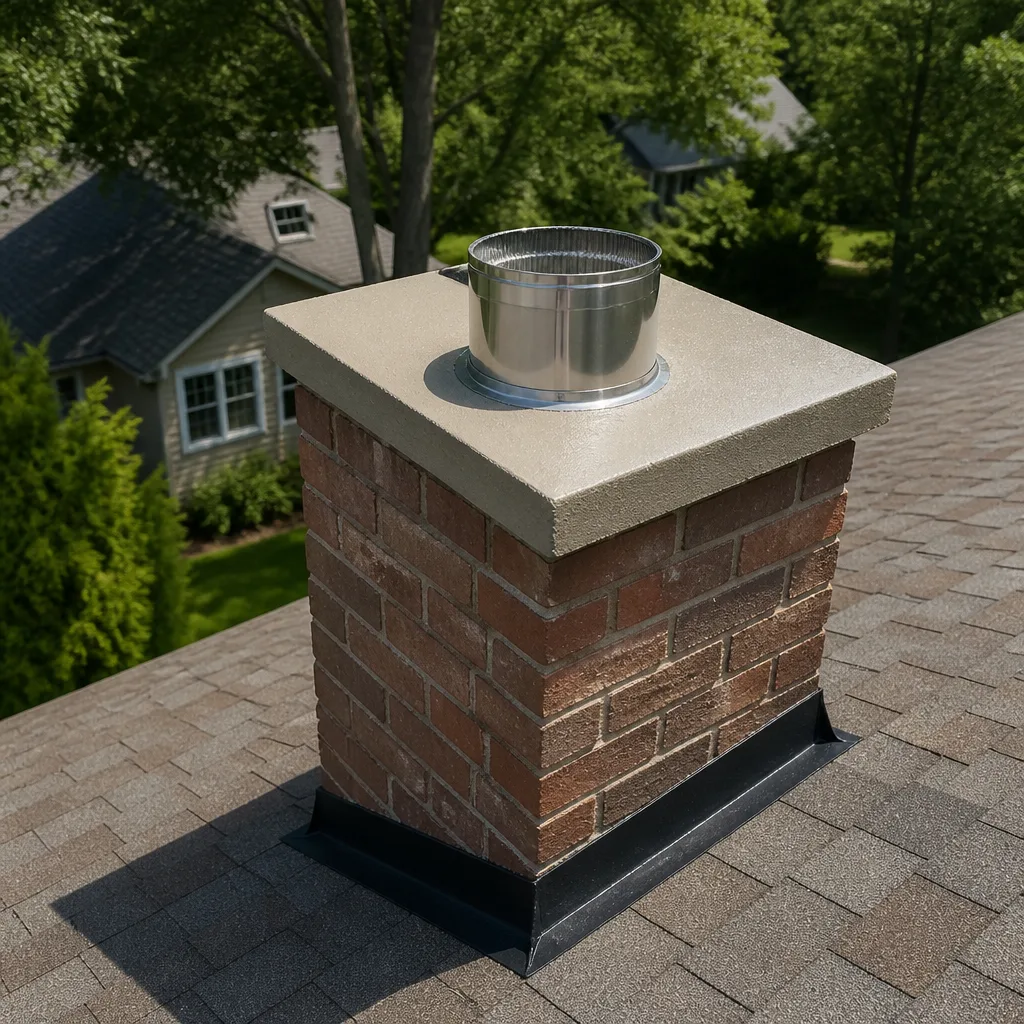 Flue relining
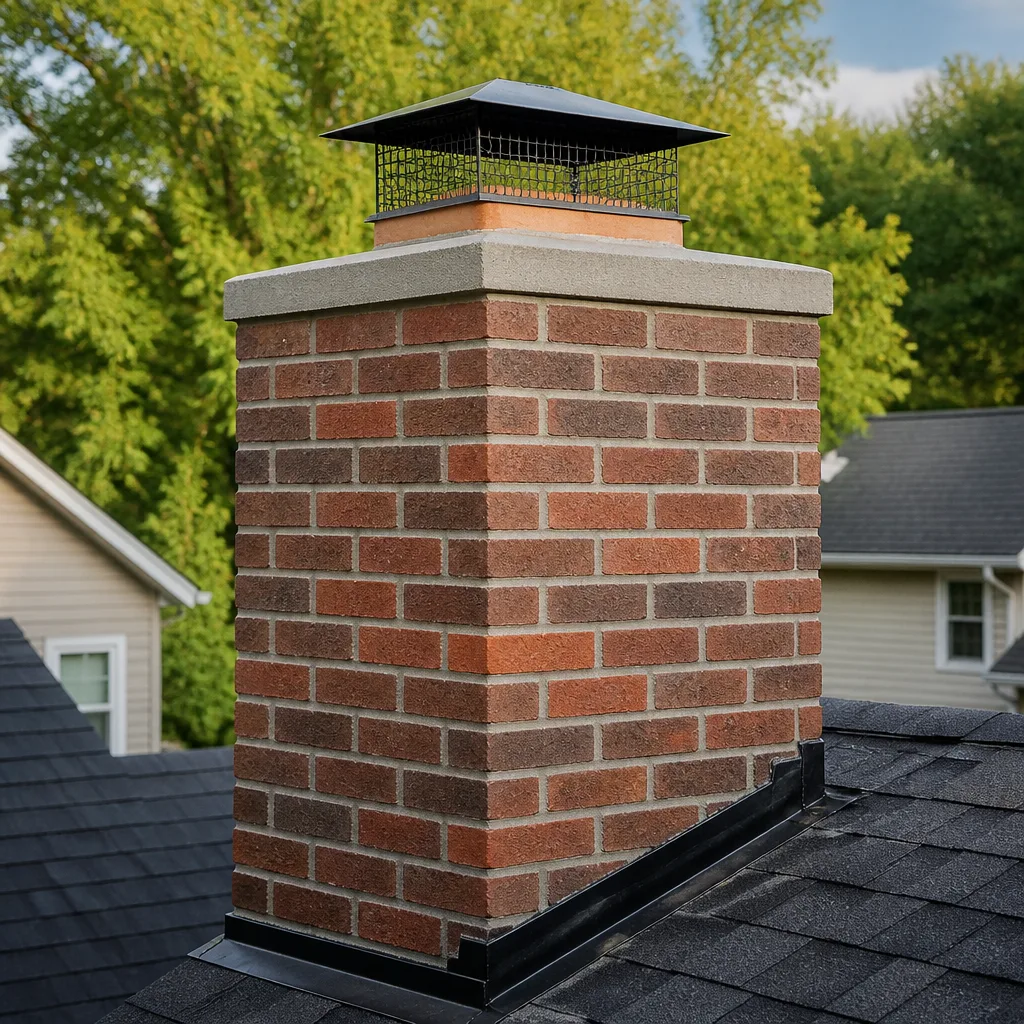 Masonry repair
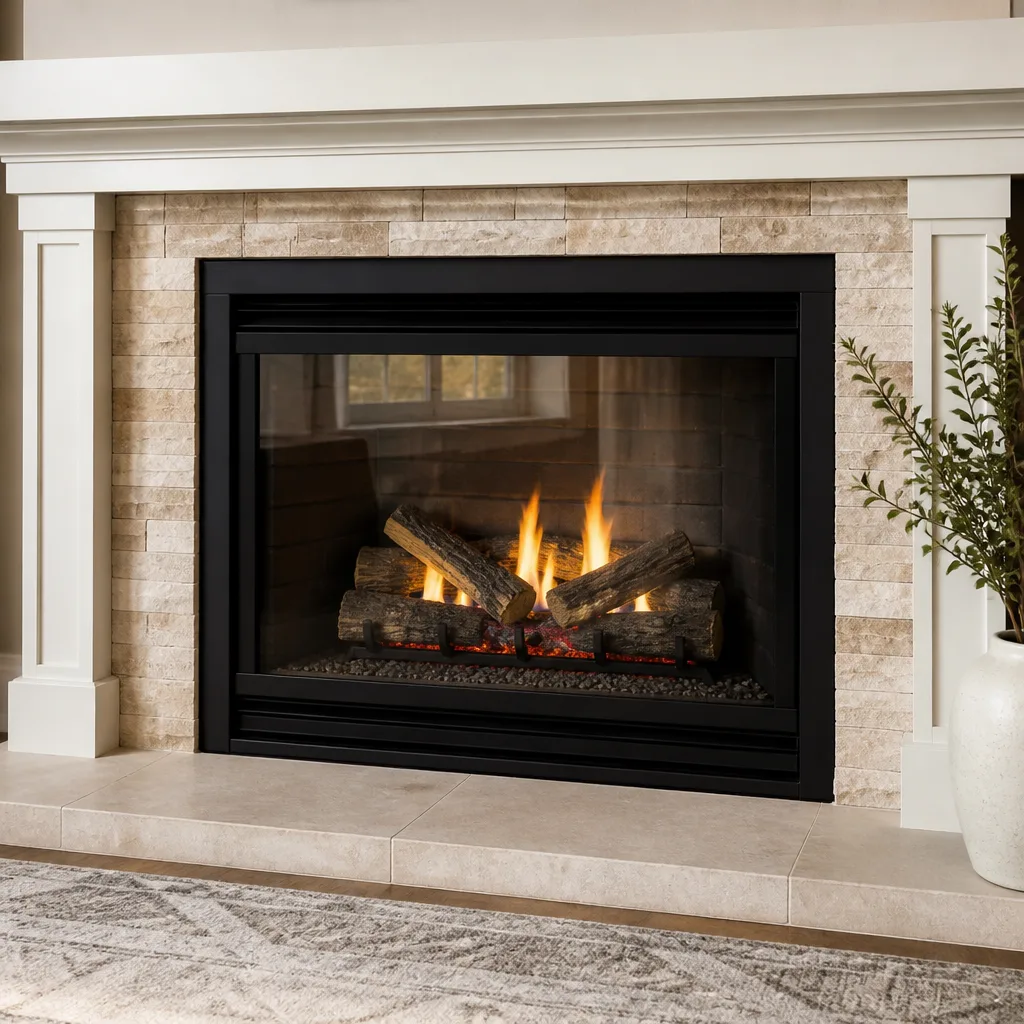 Gas fireplace service
Level 1 sweep and inspection to the NFPA 211 annual standard - flue, crown, cap, and flashing checked and photographed
Chimney sweep logs do not sweep chimneys. They loosen some creosote - which then falls where a brush and vacuum still have to collect it.
Chimney Cleaning Permits, Codes & Inspections in Portland, OR: What You Need to Know
A sweep who tells you that a full liner relining “doesn’t need a permit” in Portland may be saving you paperwork. Or they may be steering you away from the one inspection that would have caught a problem with their own work. That’s the uncomfortable truth about chimney permitting here: the rules are real, the line between maintenance and construction is specific, and plenty of homeowners never learn where it falls until a buyer’s inspector or an insurance adjuster asks for the paper trail. In this guide we walk through exactly which chimney jobs trigger Oregon permits, how the Portland Bureau of Development Services handles them, what the Oregon Residential Specialty Code expects of liners and clearances, and what happens to unpermitted work when you sell or file a claim.
Quick Answer
Routine chimney sweeping and dryer vent cleaning in Portland generally require no permit because they’re classified as maintenance, not construction. Repair work that changes the structure or the venting system, such as a liner replacement, flue tile resurfacing, chase repair or a new appliance connection, typically does require a permit through the Portland Bureau of Development Services. If a contractor can’t tell you which category a job falls into, that’s your signal to ask more questions before any work begins.
Styles & brands we work with
- Sweep & inspection
- Caps & crowns
- Flue relining
- Masonry repair
- Gas fireplace service
Table of Contents
- Where Portland Draws the Line Between Cleaning and Construction
- How the Portland Bureau of Development Services Handles Chimney Permits
- What the Oregon Residential Specialty Code Says About Liners and Clearances
- How Unpermitted Chimney Work Affects Insurance and Home Sales in Oregon
- What a Post-Repair Inspection Actually Involves
- A Step-by-Step Look at a Permitted Chimney Repair in Portland
- Why Portland’s Wet Winters and Burn Season Shape the Work
- How to Choose a Chimney Contractor Who Works Within the Permit Process
Where Portland Draws the Line Between Cleaning and Construction
The permit question comes down to one distinction: are you maintaining an existing system, or are you altering it? Cleaning removes creosote and debris from a flue that stays exactly as it was. Altering means the system itself changes, whether that’s a new liner, a resurfaced flue, a rebuilt crown or a repaired chase. Oregon treats those two categories very differently.
These are the everyday jobs we’d sort into each column:
- Typically maintenance, no permit: a standard sweep of a wood-burning flue, a dryer vent cleaning, a Level 1 visual inspection, removing a bird nest or debris cap, replacing a chimney cap with a like-for-like model.
- Typically permitted construction: installing a stainless liner, resurfacing damaged flue tiles, rebuilding a chimney above the roofline, repairing or replacing a chase, connecting a new wood stove or insert, and any change to the venting system’s size, route or material.
That middle ground is where disputes start. A heat-shield resurfacing job, for example, restores failing flue tiles from the inside. It’s a repair to the venting system, not a cleaning, and it belongs in the permitted column. So does a DuraFlex liner install on a masonry chimney that’s been serving a wood stove for years.
Portland has a lot of older housing stock in neighborhoods like Sellwood, Irvington and Laurelhurst, and much of it has original masonry chimneys that have been retrofitted over the decades with inserts, liners, or both. When we look at a system like that, part of the assessment is figuring out what was permitted and what was simply done. Call (866) 413-9023 if you want that question answered on your own chimney. We answer 24/7, with fast dispatch from 7am to 7pm, Sunday through Friday.
How the Portland Bureau of Development Services Handles Chimney Permits
The Portland Bureau of Development Services, usually shortened to BDS, is the agency that issues and inspects chimney-related permits inside the city. Chimney work that alters the venting system is generally permitted as a mechanical permit, and structural repairs to the chimney itself can also bring in a building permit component. The exact classification depends on what the job involves, which is why the conversation with BDS starts with a clear description of the scope.
Here’s how the process usually unfolds:
- Scope is defined. The contractor documents what’s being changed, from the appliance connection to the top of the flue, including liner material, diameter and termination.
- The permit application is filed with BDS. Plans or a written scope typically accompany the application for mechanical and structural work.
- BDS reviews the submittal. Reviewers check the proposed work against the applicable code, and may ask for clarification or additional detail.
- The permit is issued and work proceeds. Inspection points are scheduled as the job moves along.
- BDS inspects the finished work. The inspection confirms the liner, clearances and termination match what was approved.
One practical point worth knowing: BDS runs on its own review and inspection calendar, and the timeline for any given permit depends on the scope and the current workload. We don’t promise dates on BDS’s behalf, and neither should anyone else. What we can tell you is that a job planned with the permit in hand moves through inspection far more smoothly than one where the paperwork gets sorted out afterward.
If your home is in Portland, the permit side of the work happens through BDS specifically. Homes just outside the city limits fall under Multnomah County or another jurisdiction, and the process is similar in shape but not identical in detail. Ask which authority has jurisdiction over your address before the work is scheduled.
What the Oregon Residential Specialty Code Says About Liners and Clearances
Chimney venting in Oregon is governed by the Oregon Residential Specialty Code, which adopts the International Residential Code with Oregon amendments. The provisions that matter most for homeowners are the ones covering liners, clearances to combustibles, and how a venting system terminates above the roof.
What those provisions mean in plain terms:
- Liners are required for masonry chimneys. A flue serving a wood appliance needs a listed liner, and a deteriorating clay tile flue is not considered adequate on its own. This is why relining comes up so often during a repair.
- Clearances are measured, not eyeballed. The gap between the chimney and any combustible material, including framing, sheathing and roofing, has a required minimum. Older homes frequently fall short because of how they were built or modified.
- Terminations have height requirements. The chimney must extend the required distance above the roof and away from nearby openings, which matters on the pitched roofs common across Portland’s hillside neighborhoods.
- Connections must be listed and matched. The liner, connector and appliance need to be compatible, and the materials used need to be listed for the application.
This is the part of the work where material choice shows up. A liner specified with Belmont Chimney Cleaning grade materials, like a DuraFlex stainless system or an Olympia Chimney component, is designed to meet the listed-material requirement. Hardware-store flex pipe generally is not, and an inspector will notice the difference.
We’re not going to walk you through installing any of this yourself, and we’d gently suggest you don’t. Chimney work involves heights, confined spaces, and combustion byproducts. A liner installed with the wrong clearance or termination doesn’t just fail inspection; it can put carbon monoxide where it doesn’t belong. That’s a job for a trained professional working with the right materials and the right paperwork.
How Unpermitted Chimney Work Affects Insurance and Home Sales in Oregon
Unpermitted chimney work is one of those problems that stays quiet until the moment you need your insurance or your buyer’s lender, and then it becomes very loud. A homeowner’s policy is written on the assumption that the home is as described and built to code. When a claim involves a system that was altered without a permit or inspection, the insurer has room to question coverage for that part of the loss.
The same issue surfaces at resale. Oregon sellers complete a disclosure statement, and questions about known defects and unpermitted work are part of that conversation. A buyer’s inspector who spots a shiny new liner with no permit record on file will flag it, and the transaction slows down until the record is resolved. In Portland’s competitive market, that can cost a seller leverage at exactly the wrong moment.
Three things make this manageable:
- Keep the permit record. A closed permit with a passed inspection is documentation, and documentation travels with the house.
- Match the scope to the records. If a liner was installed, the record should show a liner. Discrepancies between the permit and what’s in the chimney are red flags for any inspector.
- Get a Level 2 inspection before listing. A camera-based inspection gives you a photo record of the system, so a buyer’s questions get answered with evidence rather than assurances.
This is also true for homeowners who aren’t selling and don’t plan to. A fire in a venting system connected to unpermitted work can turn a clear claim into a dispute. A permit and an inspection are cheap protection against that scenario.
What a Post-Repair Inspection Actually Involves
A post-repair inspection is the point where the work gets checked against the code and the approved scope, and it’s more than a glance up the flue. The inspector confirms what was installed and how, then signs off. If something doesn’t match, the work gets corrected before the permit closes.
The typical checklist covers:
- Liner installation. Material, diameter, joints and support are checked against the approved detail.
- Clearances. The gap to combustibles is measured, including at the point where the chimney passes through the roof and framing.
- Termination. Height above the roof and distance from openings and other structures are confirmed.
- Connections. The appliance connector and any adapter are checked for compatibility and secure fit.
- Structure. Any masonry or chase repair is checked for soundness and for conformance with the approved scope.
A thorough contractor runs their own camera inspection alongside the official one. Those images are how you see what was found and what was done. Nothing we recommend gets fixed without evidence you can look at yourself, which matters when the alternative is being told you need a full rebuild you have no way to verify.
We also tell homeowners plainly when work can safely wait. Not every flue with a hairline crack needs a new liner this season. The honest answer is often “monitor it and we’ll look again next sweep.” A permit and an inspection are for the jobs that actually need them.
A Step-by-Step Look at a Permitted Chimney Repair in Portland
For a clear picture of how a permitted repair actually runs, here’s the sequence from first call to closed permit. A liner replacement on a masonry chimney is a good example, since it hits the permit, inspection and code requirements all at once.
- Initial inspection. A camera inspection of the flue produces images of the condition and a written report. This is where we decide whether the job needs a permit at all.
- Written estimate. The scope is set out in writing, including the liner specification and the permit step, so you know what you’re approving before anything is booked.
- Scheduling around the permit. The work is booked, and the BDS permit application is filed with the scope and specifications.
- Permit issued. Once BDS has reviewed and issued the permit, the installation proceeds with the approved materials, like a DuraFlex liner sized for your flue.
- Installation. The liner is installed, secured and trimmed, connections are made, and the termination is set to the required height.
- Inspection. BDS inspects the finished work, with our camera record alongside as a second layer of evidence.
- Sign-off and handover. The permit closes and you receive the documentation, which stays with the home for future insurance questions or a sale.
The whole sequence depends on BDS’s review and inspection calendar, so it isn’t a same-week process in most cases. That’s worth planning for, and it’s why a chimney assessment done well before burning season is easier to schedule than one done in a hurry in October.
The reason we work this way is simple: we can fix what we find. A sweep, a chimney sweep and a repair aren’t separate handoffs to different contractors. The same company that finds the problem handles the paperwork and the fix. Call (866) 413-9023 to walk through a scope on your chimney. We answer 24/7.
Why Portland’s Wet Winters and Burn Season Shape the Work
Portland’s climate drives the condition of a chimney as much as the fire in it does. Wet winters, then a long damp stretch into spring, keep masonry saturated for months. That moisture works into mortar joints and into any crack in a flue tile, then expands when temperatures dip. Over several seasons, a small crack becomes a pathway for water and, eventually, a pathway for smoke and carbon monoxide into the structure.
On top of that, Portland homes burn wood during the heating months, and creosote builds in the flue with every fire. A damp flue and a creosote-lined flue is the combination that produces the most chimney fires. The season here follows a rhythm:
- Before the first fire. A sweep and a visual inspection clear creosote and confirm the flue is sound before the heating season starts.
- Mid-season. If the fire’s been getting smoky or the draw feels weak, that’s worth checking. It’s often creosote buildup or a partially blocked flue.
- After winter. Roof and chimney damage from freeze-thaw cycles shows up by spring, and it’s the best time to schedule repairs.
Dryer vent cleaning runs on a separate calendar. Lint is just as much a fire fuel as creosote, and it accumulates every load. A dryer vent that hasn’t been cleaned is one of the leading contributors to home dryer fires, and we treat it with the same seriousness as a chimney. The same crew handles your dryer vent cleaning right alongside the chimney work, which means you’re not chasing a separate contractor.
Portland’s tree cover matters too. Fir needles, moss and leaf litter collect on chimneys and in gutters, and that debris traps moisture against the masonry. Part of any inspection is simply looking at what’s on top of the chimney and how the cap is holding up.
How to Choose a Chimney Contractor Who Works Within the Permit Process
The right contractor in Portland is one who can tell you, before any work is agreed, whether the job needs a permit and who will file it. That’s the first question to ask, and it separates a professional from a handyman with a brush. The second question is whether they carry insurance and are bonded, which you should ask for in writing.
Other things worth checking:
- Camera inspection as standard. If the contractor can’t show you the inside of the flue, you can’t verify what they say is wrong with it.
- Professional-grade materials. A liner or resurfacing system specified from a trade supplier is built to meet code. Ask what brand and material is being specified, and expect a clear answer.
- Repair capability. A sweep-only company has to hand the repair to someone else. One company that can handle sweep, vent cleaning and repair means one set of records, one scope and one accountability.
- Honest scoping. A good contractor tells you when a repair can wait. If every inspection ends in a large quote, that’s worth questioning.
- Documentation. Photos of the before and after, a written scope, and the permit record all belong with the job.
We work with professional-grade materials from brands like DuraFlex, HeatShield and Famco because that’s what the trade specifies for this work. The material matters at the inspection, and it matters years later when the system is under load. If you’re assessing a contractor in Portland, those are the right questions to ask.
Common Mistakes to Avoid
- Assuming any sweep needs a permit. Routine cleaning doesn’t, and being told otherwise by someone trying to add cost is a warning sign.
- Assuming a liner replacement doesn’t need one. This is the more common and more expensive error. A relining is a venting-system alteration and belongs in the permitted column.
- Skipping the camera inspection. A chimney that hasn’t been looked at from the inside is a system you’re taking on faith. Insist on the images before agreeing to repair.
- Letting a contractor “deal with” the permit after the fact. Filing after the work is done leaves you with a job that has no inspection record, which is exactly the kind of gap an insurer will notice.
- Choosing a sweep who can’t repair. A cleaning-only contractor has to hand the work to someone else, which means a handoff, a new contract and a separate set of records.
- Waiting for burning season to schedule anything. Wet-season damage and a permitting queue both take time. An assessment months before you need the chimney makes the process easier.
- Ignoring the dryer vent while scheduling the chimney. Both are fire fuels, and a vent that hasn’t been cleaned is just as much of a risk as a dirty flue. Handle them together.
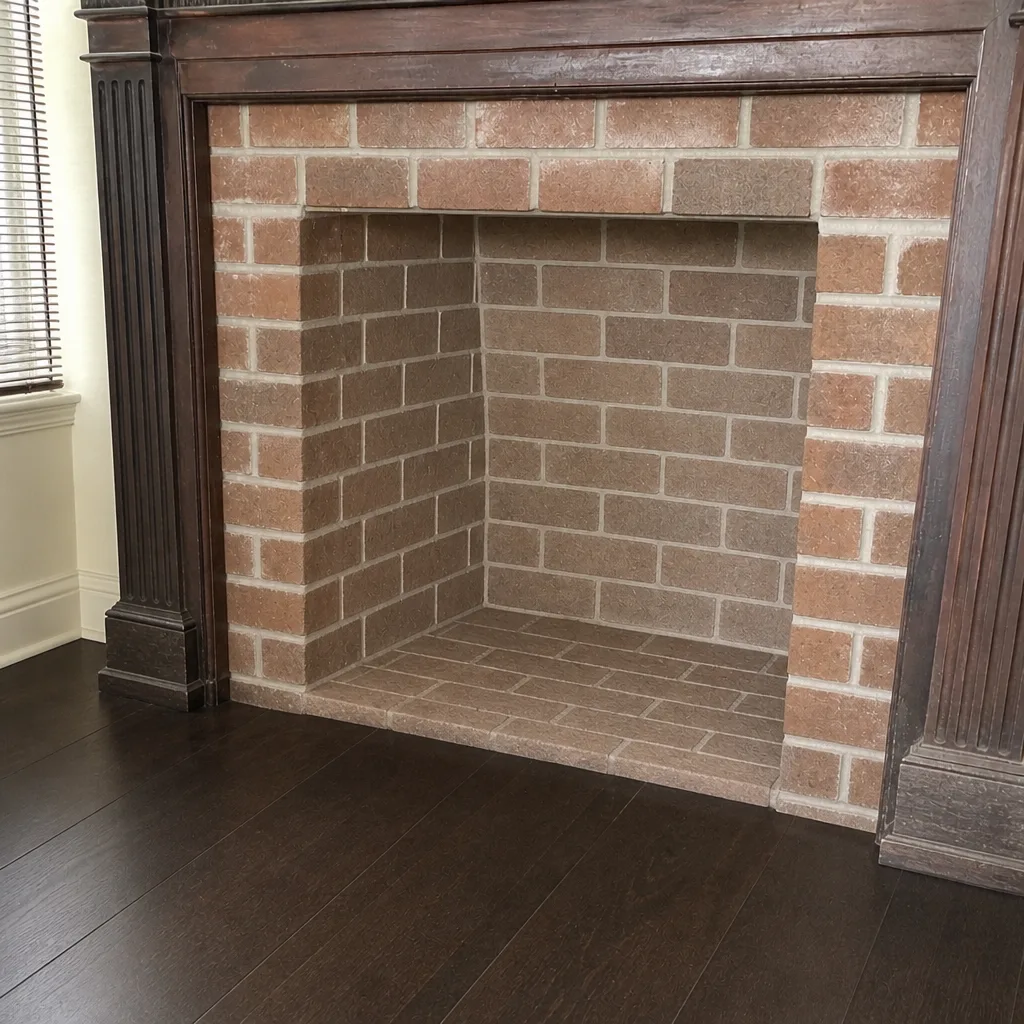
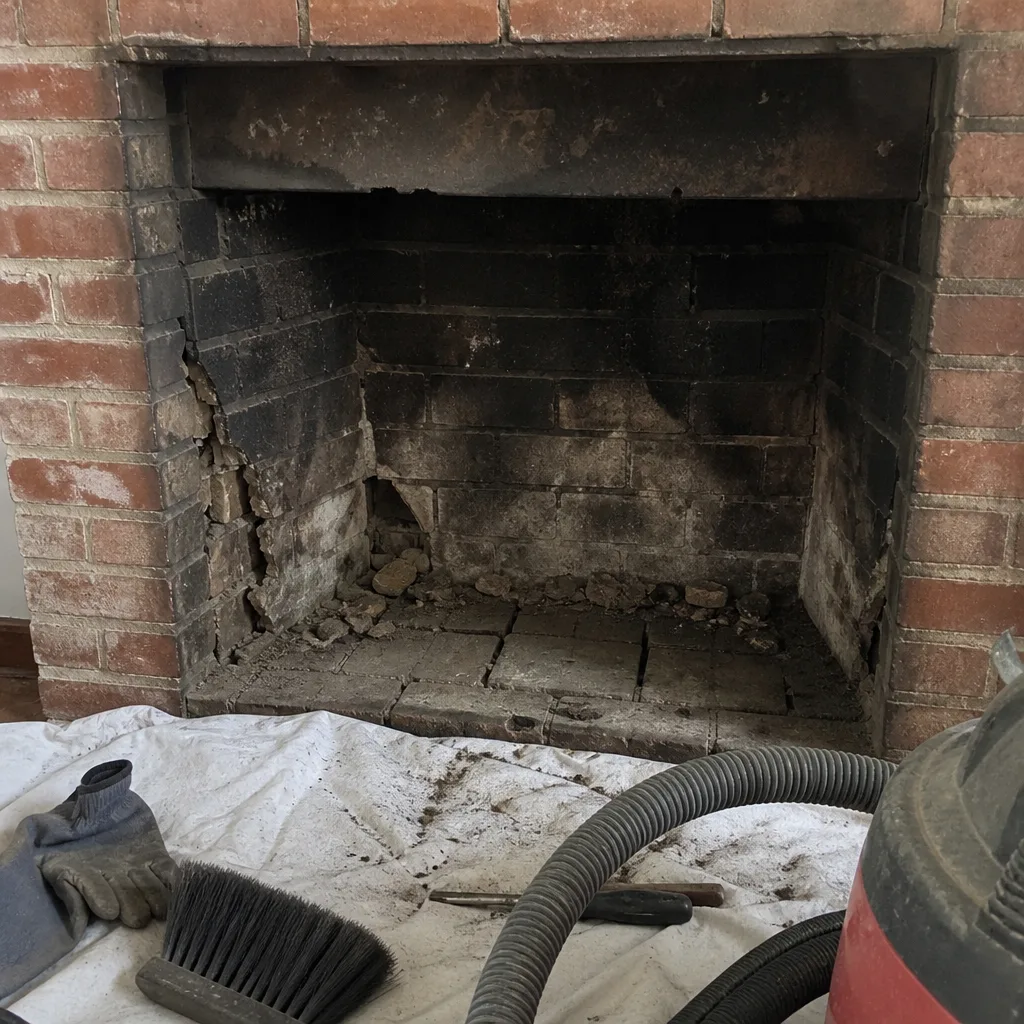
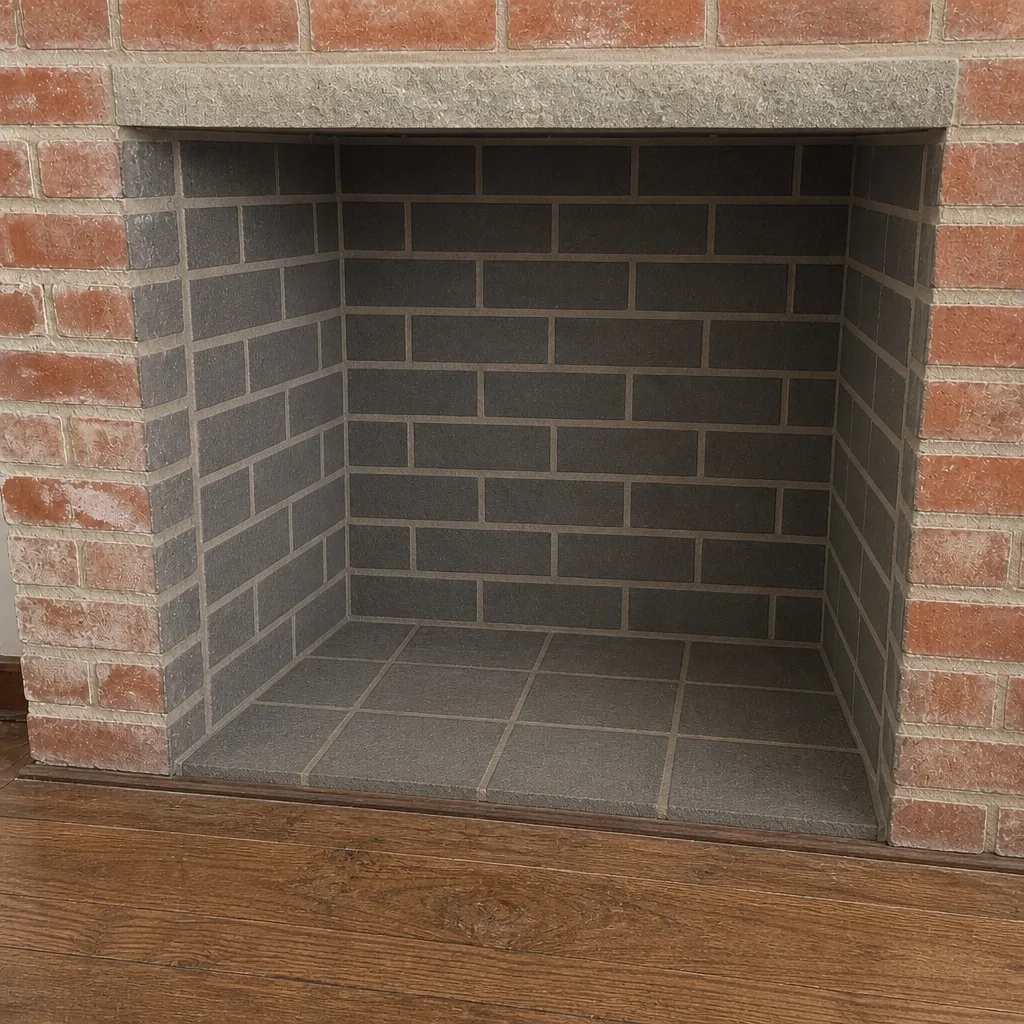
See the difference
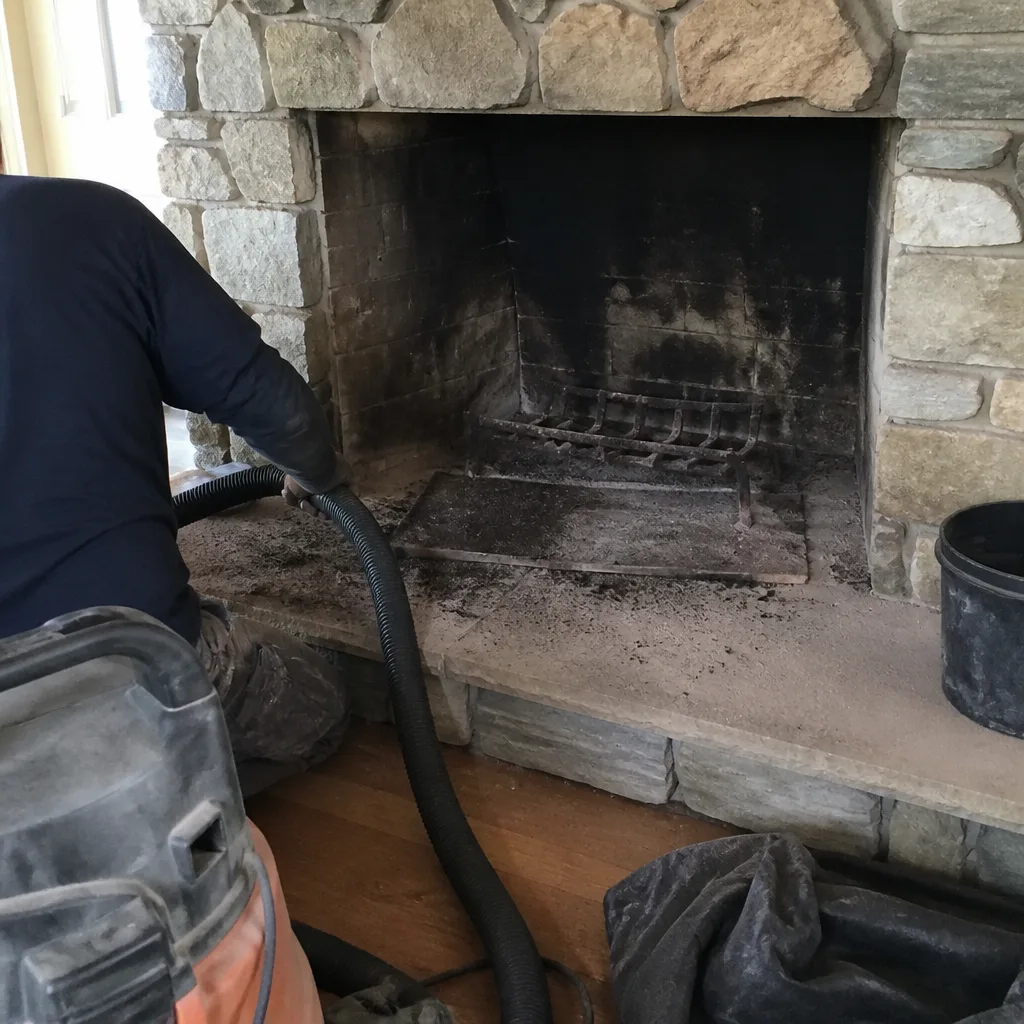 Before
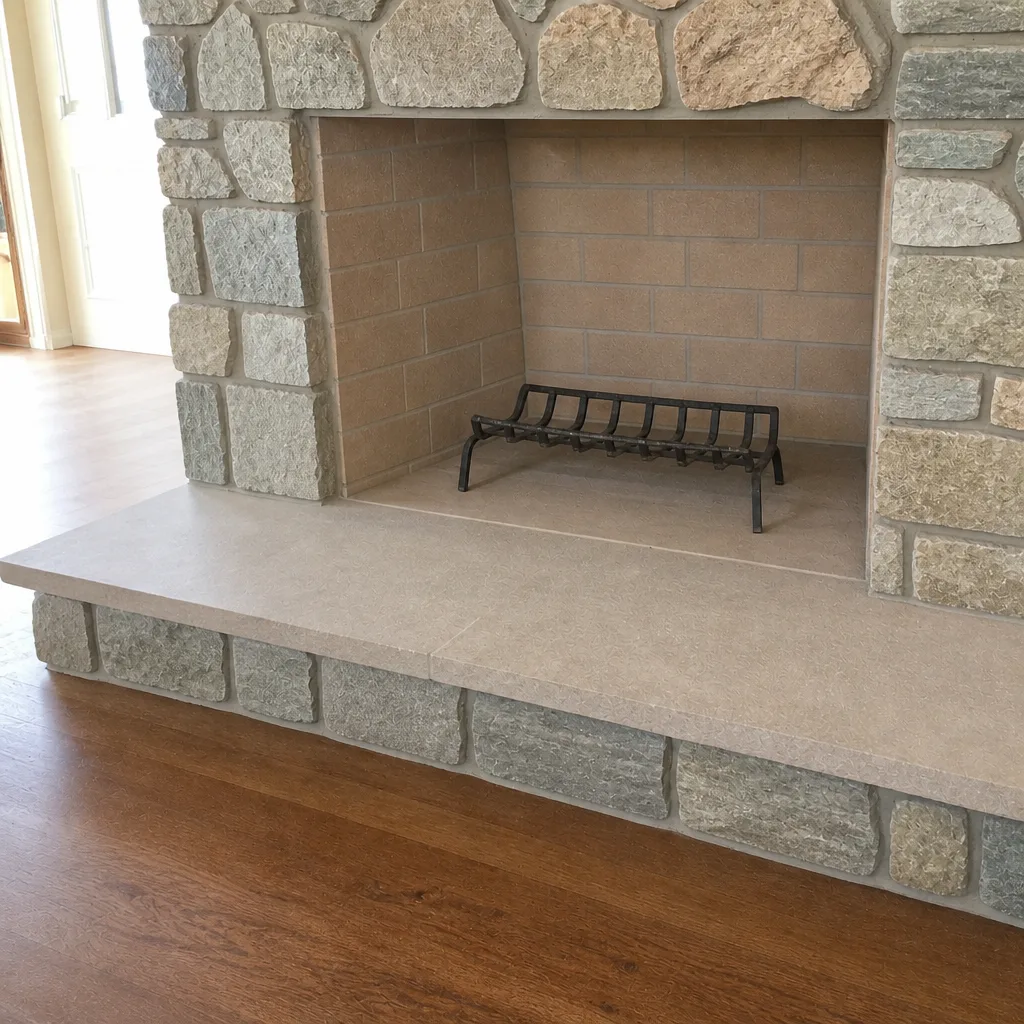 After
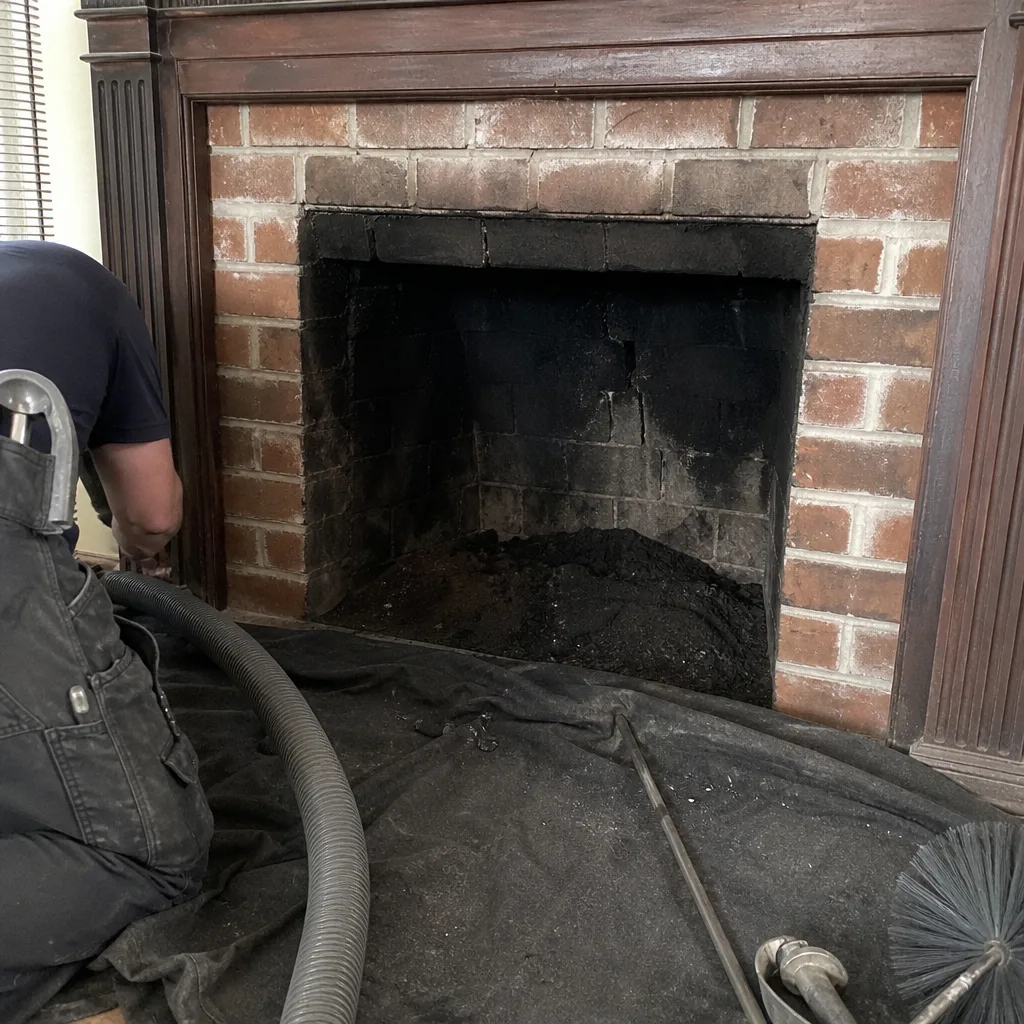 Before
 After
 Before
 After
When to Call a Professional
Call a professional if the fire has started smoking into the room, if you smell creosote or see soot at the firebox, if the chimney has visible cracking or spalling, or if a stain appears on the ceiling or chimney chase. Also call if you’ve moved into a Portland home and don’t know when the chimney was last inspected, or if a contractor told you a job didn’t need a permit and you want a second opinion. Those are all cases where a camera inspection and a clear scope of work should come before any money changes hands. Belmont Chimney Cleaning offers free estimates in Portland . Call (866) 413-9023. We answer 24/7, with fast dispatch from 7am to 7pm, Sunday through Friday.
Frequently Asked Questions
No. A routine sweep is classified as maintenance, so the Portland Bureau of Development Services doesn’t require a permit for cleaning alone. A Level 1 visual inspection, a dryer vent cleaning and a cap replacement generally fall in the same maintenance category. Call (866) 413-9023 for an exact quote on a sweep. Estimates are free.
Yes, in most cases. Installing a new liner alters the venting system, so it generally requires a permit through the Portland Bureau of Development Services, along with an inspection of the finished work. Resurfacing flue tiles, rebuilding above the roofline and connecting a new appliance fall in the same category. Call (866) 413-9023 if you’re unsure where your job sits.
The work doesn’t disappear, but the record does, and that’s the problem. Unpermitted repairs can complicate an insurance claim on that part of the system and surface during a home sale disclosure or buyer inspection. Getting a retroactive inspection through the permitting authority is possible in some cases, and a Level 2 camera inspection gives you an honest picture of what was done.
A chimney should be swept when there’s roughly an eighth of an inch of creosote buildup, and many wood-burning Portland homes fall into an annual sweep before the heating season. A dryer vent should be cleaned based on use, and at least annually. If a flue is used heavily or burns unseasoned wood, it may need a sweep sooner. Call (866) 413-9023 to book a sweep and a camera inspection on the same visit.
Ask to see the camera footage. A liner is genuinely needed when the flue tiles are cracked, displaced or missing, or when there’s no liner at all in a masonry chimney serving wood. It isn’t needed for a hairline blemish that’s otherwise sound. We don’t recommend a liner without showing you the evidence, and we say plainly when monitoring is the better option. Call (866) 413-9023 for an honest assessment and a free estimate.
It checks the installed liner, the clearances to combustibles, the termination height, the appliance connection and any structural repair, all against the approved scope and the Oregon Residential Specialty Code. The inspector signs off only if the finished work matches. Our own camera inspection gives you a photographic record of the same work. Call (866) 413-9023 to discuss a scope that includes inspection.
The Bottom Line
Cleaning is maintenance, and it doesn’t need a permit. Altering the venting system is construction, and in Portland that means a permit through the Bureau of Development Services, a code-compliant scope and an inspection when the work is done. The line between the two is specific, and knowing where it falls protects you at insurance time and at resale. A contractor who works inside that process, with camera evidence and trade-grade materials, is easier to hire on the front end and far easier to live with on the back end. Call (866) 413-9023 for a free estimate. We answer 24/7, with fast dispatch from 7am to 7pm, Sunday through Friday.
Written by the team at Belmont Chimney Cleaning.