
Last updated November 14, 2026
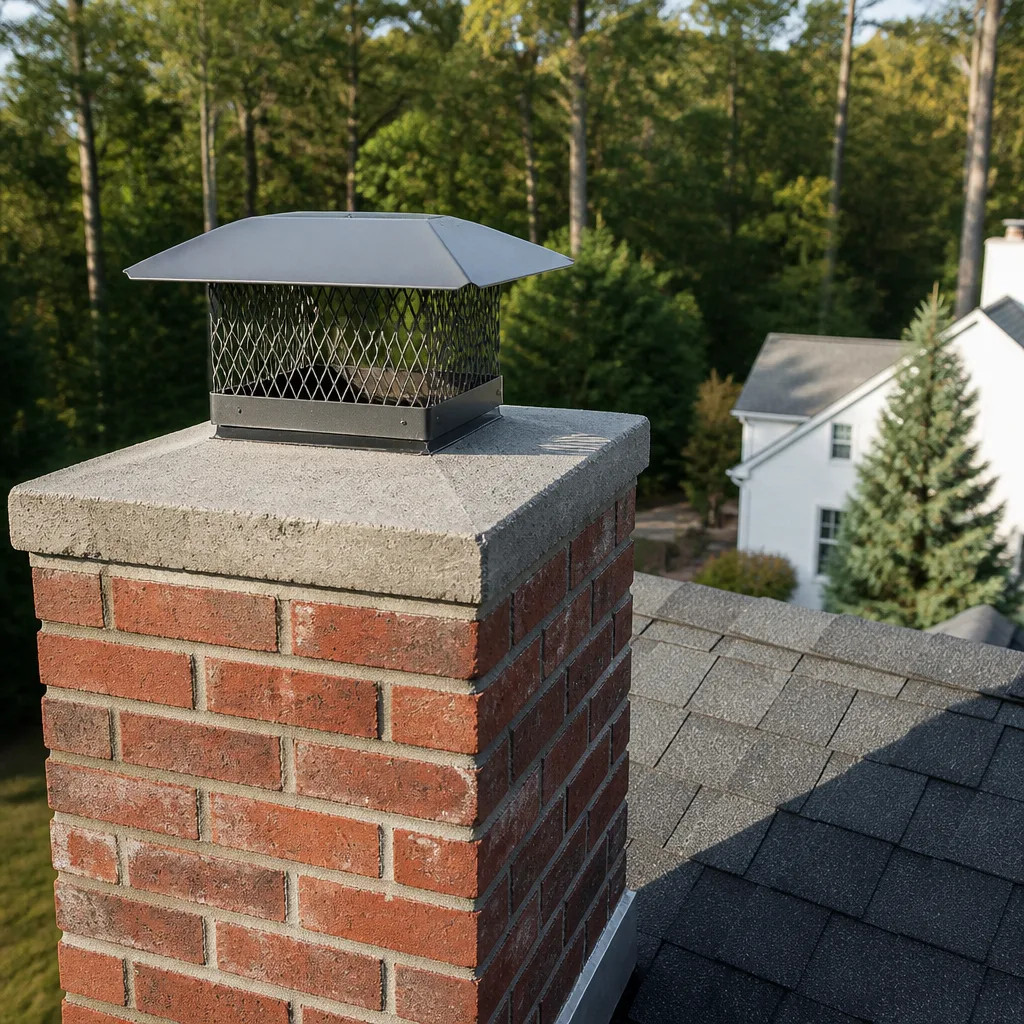 Sweep & inspection
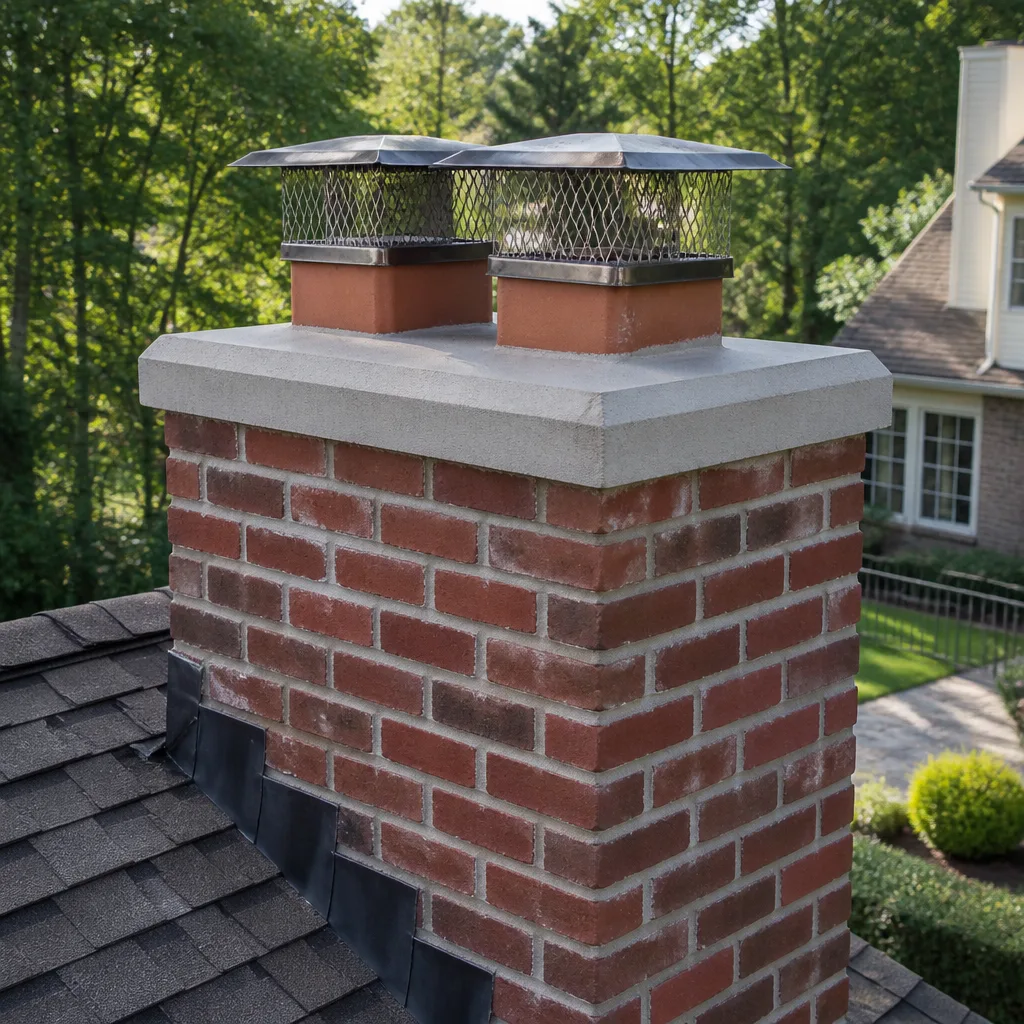 Caps & crowns
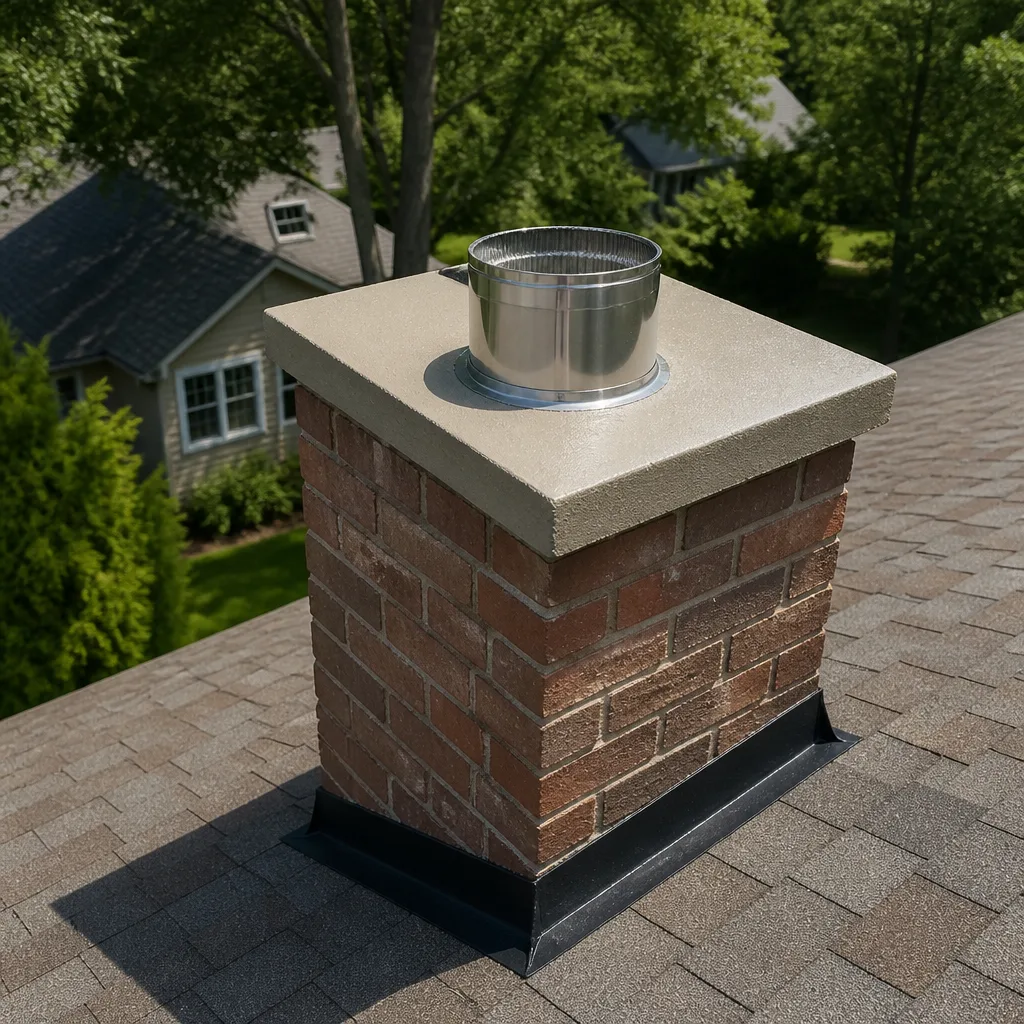 Flue relining
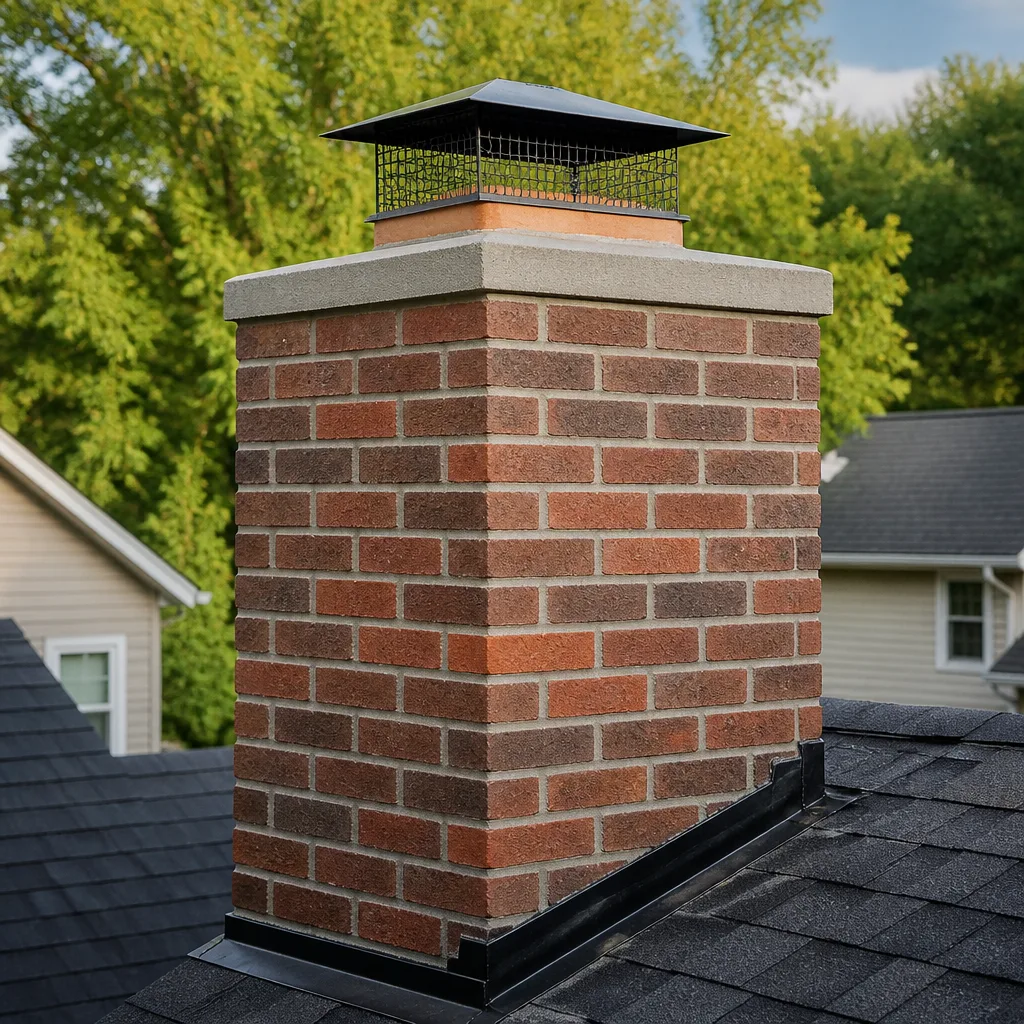 Masonry repair
 Gas fireplace service
Level 1 sweep and inspection to the NFPA 211 annual standard - flue, crown, cap, and flashing checked and photographed
Chimney sweep logs do not sweep chimneys. They loosen some creosote - which then falls where a brush and vacuum still have to collect it.
Chimney Cleaning Emergency Preparedness Guide for Portland Homes
A chimney fire doesn’t always announce itself with visible flames. Many occur inside the flue at temperatures that damage the liner without ever producing the dramatic exterior fire most homeowners picture – no roar, no shaking pipe, no smoke pouring from the roof. That’s the uncomfortable truth behind chimney emergency planning: the event you’d notice is often the less dangerous one. What catches people off guard is the slow, quiet damage that shows up weeks later as a cracked tile or a failed joint. This guide walks through what a real chimney emergency looks like in Portland, how to tell whether one has already happened, what to do while you wait for help, and how carbon monoxide fits into the picture. By the end, you’ll know exactly which situations stop you from using the fireplace and which ones you can safely sit on until a scheduled visit.
Quick Answer
A suspected chimney fire means stop using the fireplace immediately, get everyone out if you see flames or smell smoke in the house, and call 911 if the fire is active. Once things are calm, book a post-fire inspection before you burn again – the firebox, flue tiles, and liner can all be damaged even when the fire never broke through the roof. For Portland homeowners, the key decision is simple: active fire means emergency services, and any other sign of trouble means no more fires until a certified sweep has looked inside.
Styles & brands we work with
- Sweep & inspection
- Caps & crowns
- Flue relining
- Masonry repair
- Gas fireplace service
Table of Contents
- How Do You Know If You’ve Already Had a Chimney Fire?
- What to Do If You Suspect a Chimney Fire: Step by Step
- Carbon Monoxide Scenarios Specific to Chimney Systems
- “Do Not Use Until Inspected” vs. “Call Now”: Knowing the Difference
- Getting a Post-Fire Assessment in Portland
- What a Post-Fire Inspection Actually Involves
- How to Prepare Your Chimney Before an Emergency Happens
- The Morning After: What to Expect From the Repair Conversation
How Do You Know If You’ve Already Had a Chimney Fire?
Most chimney fires leave physical evidence, and it’s usually inside the firebox and flue rather than on the roof. If you suspect something happened during a recent burn, look for these signs before you light another fire. None of them require you to climb anything or open panels – they’re all visible from the hearth or the ground.
Signs inside the firebox and flue
- Puffy, honeycombed creosote that looks like cracked sponge or popcorn – this is a strong indicator the flue got hot enough to ignite deposits.
- Warped or discolored damper or a damper that no longer opens and closes smoothly.
- Cracked or flaking flue tiles visible when you look up the throat of the chimney with a flashlight.
- Heat-damaged metal on a prefab fireplace – warped panels, discolored paint, or buckled edges.
- Creosote flakes on the roof or ground near the chimney cap, which is often the first thing a sweep notices.
Signs outside and around the house
- A strong, hot, tarry smell that lingers for days after a burn.
- Smoke stains on the exterior brick or siding near the chimney top.
- A cracked or blistered chimney cap, or damage to the crown.
- Neighbors mentioning they saw sparks or heard a low rumble – many chimney fires are witnessed from outside, not inside.
The reality is that the visible fire is the least of it. The damage that matters is inside the flue, where tiles and liner joints take the heat and weaken. That’s why the morning-after inspection is more important than the event itself. A flue that looks fine from the hearth can have cracked tiles a few feet up that let heat and carbon monoxide into the house framing. In our experience, homeowners in Portland are often surprised by what a camera finds after a mild-sounding burn, because old brick chimneys in the city’s older neighborhoods hide damage well.
What to Do If You Suspect a Chimney Fire: Step by Step
This sequence works whether you’re certain there was a fire or just uneasy. The principle is the same: don’t feed it, don’t reopen it, and get professional eyes inside before you use the fireplace again. Follow the steps in order.
- Stop adding fuel immediately. Close the fireplace doors or screen. Don’t douse a hot firebox with water – the thermal shock can crack masonry.
- Get everyone out if there’s active fire. If you see flames at the chimney top, hear a roar, or smell smoke inside the living space, get the household outside and call 911.
- Close the damper only if it’s safe to reach. If the fire is already out, close the damper to cut off air to the flue.
- Watch the chimney top from the ground. If you’re outside, look for sparks, smoke, or heat shimmer. Don’t climb onto the roof.
- Don’t use the fireplace again until it’s been inspected, even if the fire seemed minor.
- Call a certified sweep for a post-fire inspection as soon as the situation is calm enough to book.
A note on what not to do: never try to inspect a hot flue yourself, never put water down a chimney from the roof, and never assume a small fire means no damage. Chimney fires can reach temperatures that ruin a clay tile without the homeowner ever seeing a flame. The response is a professional camera inspection, not a guess.
If you’re filing a homeowner’s insurance claim after a fire, keep the inspection report – it documents the damage and the conditions in plain terms. We can work with your insurer on the paperwork side, but the safety call starts with us getting a camera inside the flue. One good rule of thumb for Portland households: if you’re unsure whether a fire occurred, err on the side of a chimney sweep and inspection before the next burn.
Carbon Monoxide Scenarios Specific to Chimney Systems
Carbon monoxide from a chimney doesn’t come from the wood burning correctly – it comes from combustion gases that should have gone up and out but instead found a way back into the house. There are three common ways this happens in chimney systems, and they present differently. Knowing which one you’re dealing with speeds up the right response.
Blocked or partially blocked flue
A blocked flue pushes gases back into the firebox and then into the room. You might notice smoke rolling out of the fireplace when you open the doors, a weak or lazy draft, or headers of smoke at the top of the opening. A sudden blockage is often a nest, a fallen tile, or a heavy creosote buildup. This is a stop-use condition until the obstruction is cleared.
Deteriorated liner
A cracked or failing liner lets combustion gases leak into the chimney’s surrounding structure instead of staying in the flue. You may not smell anything at all – the danger is silent, which is why CO detectors matter. Liner damage is common in older brick chimneys and is one of the reasons we use Belmont Chimney Cleaning materials like HeatShield to resurface flue tiles and DuraFlex to reline when a full rebuild would otherwise be needed. Neither substitute for an inspection, but both mean a fix is possible without tearing the chimney down.
Downdraft and negative pressure
Downdraft happens when the house is at lower pressure than the chimney or the wind blows down over the cap. The fireplace can burn fine one minute and smoke back the next. Common triggers include a bath fan, a kitchen hood, or a tightly sealed house with no makeup air. Portland’s mix of older homes and modern weatherization means negative pressure issues show up often, particularly in tightly renovated houses. The fix is usually a mix of draft testing and a cap or draft correction – never just opening a window and hoping for the best.
Whatever the cause, treat carbon monoxide as a safety event, not a nuisance. If a CO detector alarms, leave the house, call the gas utility and 911, and don’t re-enter until cleared. Then get the chimney inspected before you burn again.
“Do Not Use Until Inspected” vs. “Call Now”: Knowing the Difference
This is the distinction most homeowners get wrong. Some situations are fine to sit on until a scheduled visit, and some are genuinely urgent. Here’s the working split we use.
Do not use until inspected (book the next available visit)
- You think a mild chimney fire occurred but there’s no active fire.
- You see creosote flakes outside, or the firebox smells unusually hot or tarry.
- The liner might be damaged – crack visible or suspected.
- CO detector alarmed but the house has been cleared, or you have a persistent draft issue.
- You’re seeing smoke spill into the room when the fireplace is running.
Call now (active or high-risk condition)
- Visible flames, sparks, or smoke coming from the chimney top.
- You smell smoke inside the home while the fireplace is operating.
- Any active CO alarm or symptoms like headache, dizziness, or nausea in the household.
- The firebox or surrounding structure is hot to the touch, or you see cracks in the surrounding masonry.
- A flue blockage is believed to be complete.
One Portland-specific wrinkle: burning season runs through the wet, cold months, and this is when most chimney concerns surface. If we’re booked out, we’ll tell you honestly whether the situation can safely wait, and we won’t push work you don’t need. Nothing gets recommended without camera evidence you can see for yourself. Call (866) 413-9023 and we’ll talk through what you’re seeing.
Getting a Post-Fire Assessment in Portland
After a suspected chimney fire in Portland, the goal is a same-day or next-available inspection from a sweep who can also do the repair. That combination matters, because the inspection and the fix shouldn’t be handed off to two different contractors. Here’s how to get there without drama.
- Call and describe what happened. Say what you saw, when you saw it, and whether the fire was inside the firebox, at the top, or suspected.
- Don’t burn in the meantime. The chimney should stay cold and unused until inspected.
- Have any paperwork ready. Insurance info, any prior inspection reports, and dates of the last sweep are all useful.
- Fit the visit around the assessment. A post-fire inspection is a little longer than a routine sweep because the sweep is looking for heat damage, not just soot.
- Expect a written report. A camera inspection and photo report should be part of the visit – you want the evidence, not just a verbal verdict.
For Portland homeowners who’ve never had a post-fire assessment, the process isn’t as complicated as it sounds. We run a camera up the flue, check the firebox and damper, look at the crown and cap, and come back with a clear picture of what’s damaged and what’s not. If you need the full sweep-and-assessment sequence, our Portland page covers how a standard visit works and what to expect. If the inspection turns up liner damage, we’re set up to repair or reline with DuraFlex and HeatShield, which means the fix happens before the next cold snap rather than in the middle of one.
What a Post-Fire Inspection Actually Involves
A post-fire inspection isn’t just a sweep with more time. It’s a diagnostic visit aimed specifically at heat damage, and the sequence is different from routine maintenance. We run it in four stages.
Stage 1: Visual and camera inspection of the flue
A video camera on a rod runs the length of the flue. This is where cracked tiles, separated joints, and missing mortar show up. On a prefab fireplace, we check for warped metal and failed gaskets. The camera is also how we confirm there’s no hidden obstruction above the smoke chamber.
Stage 2: Firebox and damper check
Heat damage shows up in the firebox as spalling brick or crumbling mortar, and at the damper as warped metal or a gate that no longer seals. These are cheap to check and often the first clear sign of a fire.
Stage 3: Exterior inspection
Cap, crown, flashing, and the top few courses of brick are examined from the roof. A cracked cap or damaged crown is a common post-fire finding and a simple repair before it becomes a water intrusion problem.
Stage 4: A written report and a plan
You get the photo report and a clear rundown of what’s damaged, what’s fine, and what – if anything – needs to be repaired. From there, a fix might be as small as a cap repair or as large as relining. Products like Famco components are what we reach for when a straightforward repair is needed, and a full reline is only recommended when the camera shows it’s genuinely necessary.
The purpose of this whole sequence is to answer one question: can you safely burn in this chimney again? Everything else comes after.
How to Prepare Your Chimney Before an Emergency Happens
Most chimney emergencies are less dramatic when a system has been maintained. The work you do before the cold season determines how the chimney behaves when it’s actually under load. A short checklist, done well ahead of time, does more than any emergency call.
- Schedule a sweep before the burning season. Off-season visits are easier to fit and give you time to fix what’s found.
- Install and test CO detectors on every level of the house, especially near bedrooms. Chimney CO events are silent.
- Keep the chimney cap in good condition. A working cap keeps animals, rain, and debris out of the flue.
- Watch for creosote buildup signs – hot, tarry smells, low draft, or light smoke spill into the room.
- Fix negative pressure issues early. If your fireplace smokes when the kitchen fan is on, that’s a fixable draft problem, not something to live with.
- Add dryer vent cleaning to the same visit. Lint and creosote are both fire fuels, and the dryer vent carries the same risk profile as the chimney. Many Portland homes have dryer vent runs that are overdue for attention.
The pattern we see across Portland is the same: the homeowner who is careful about safety usually has a chimney that behaves. If you’re not sure where you stand, book an inspection. And if you have a masonry chimney with known older flue tiles, we can line the chimney with DuraFlex or resurface the tiles with HeatShield as part of the preparation – not as an emergency fix.
The Morning After: What to Expect From the Repair Conversation
After a suspected fire, the repair conversation is where homeowners get stuck, usually because they’re worried about being told they need thousands of dollars in work they can’t verify. The answer is straightforward: nothing gets recommended without evidence you can see. We use a camera, we share the photos, and we tell you when something can safely wait. If a chimney simply needs a sweep and a cap repair, that’s the recommendation. If the flue has heat damage, we walk you through the choice between HeatShield resurfacing and a full DuraFlex reline, and explain why one fits better than the other.
A few things worth knowing about how these conversations go:
- Damage found during inspection is repaired by the same company. No handoff to a separate contractor, no “we’ll send someone out.”
- Estimates are itemized by job, and the written estimate sets the final price.
- We use professional-grade materials – HeatShield, DuraFlex, Famco, Gelco, Olympia Chimney, and Copperfield – not big-box substitutes.
- If a fix can safely wait until spring, we say so.
The goal isn’t to rush a repair. It’s to make sure you know exactly what happened, what it means for your chimney, and what to do next. Call (866) 413-9023 for a free estimate. We answer 24/7, and fast dispatch from 7am to 7pm, Sunday through Friday, gets an inspection booked around your schedule.
Common Mistakes to Avoid
- Assuming a quiet fire means no damage. Many chimney fires are silent inside the flue – the damage is in the liner, not the roof. If you suspect one, get it inspected.
- Burning again before an inspection. A second fire in a compromised flue is much more dangerous than the first. The firebox stays cold until the sweep clears it.
- Putting water down a hot chimney. Thermal shock cracks masonry. Let it cool and call a professional.
- Treating a weak draft as a normal quirk. In Portland’s older and weatherized homes, poor draft is a sign of a real pressure or blockage issue, not something to ignore.
- Waiting until the first cold snap. Chimney emergencies cluster at the start of burning season. A pre-season sweep means you’re not the one calling in a panic.
- Skipping the dryer vent. Lint is a fire fuel the same way creosote is. If your chimney is overdue, the dryer vent probably is too.
- Letting a separate contractor do the inspection and the repair. The camera evidence should be in the hands of the company doing the fix, because it’s not just a handoff – it’s where things get missed.
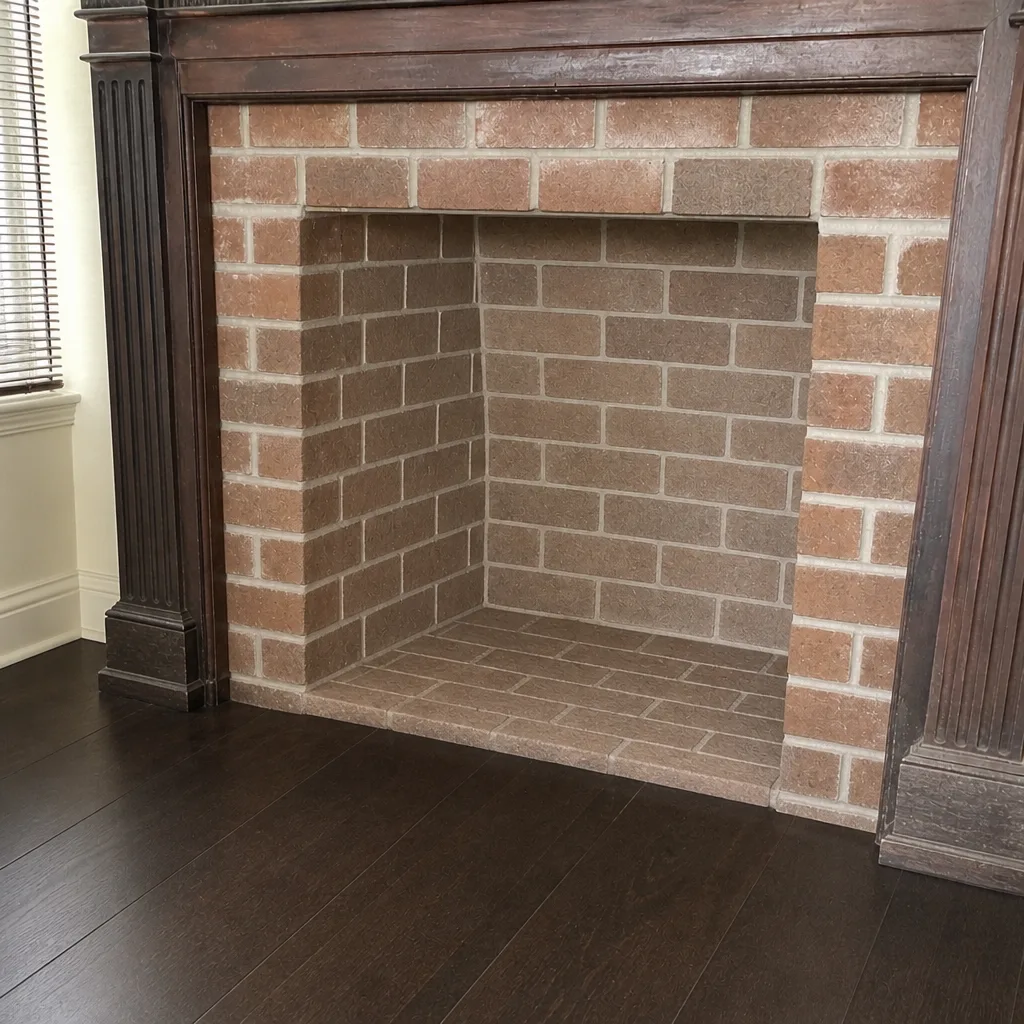
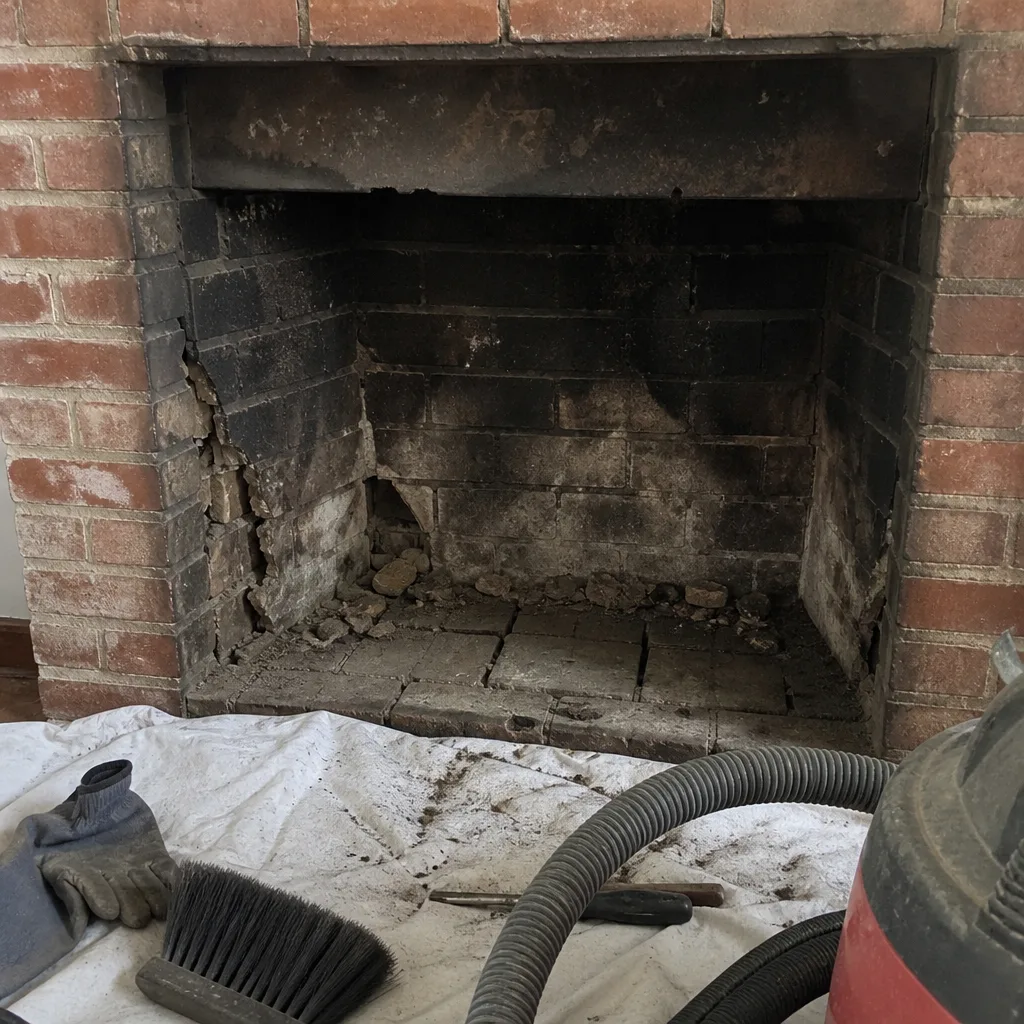
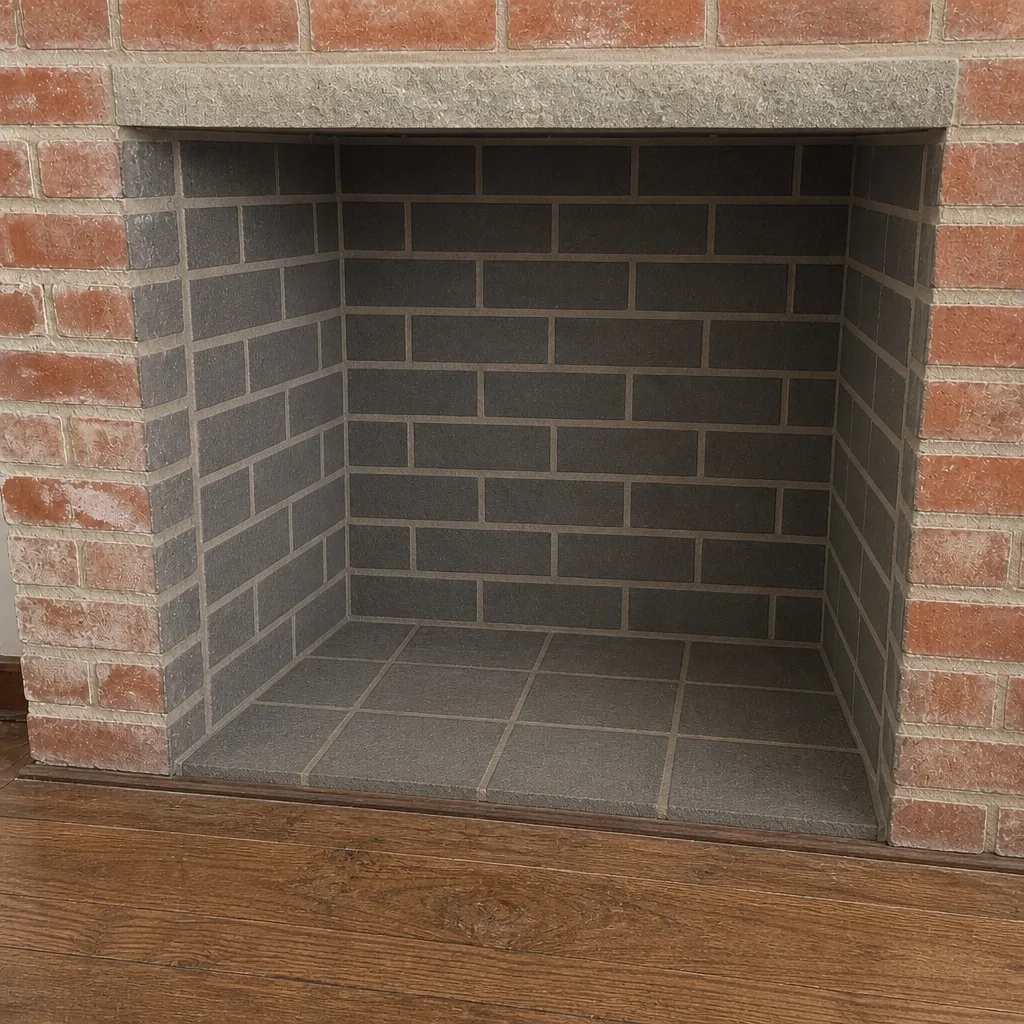
See the difference
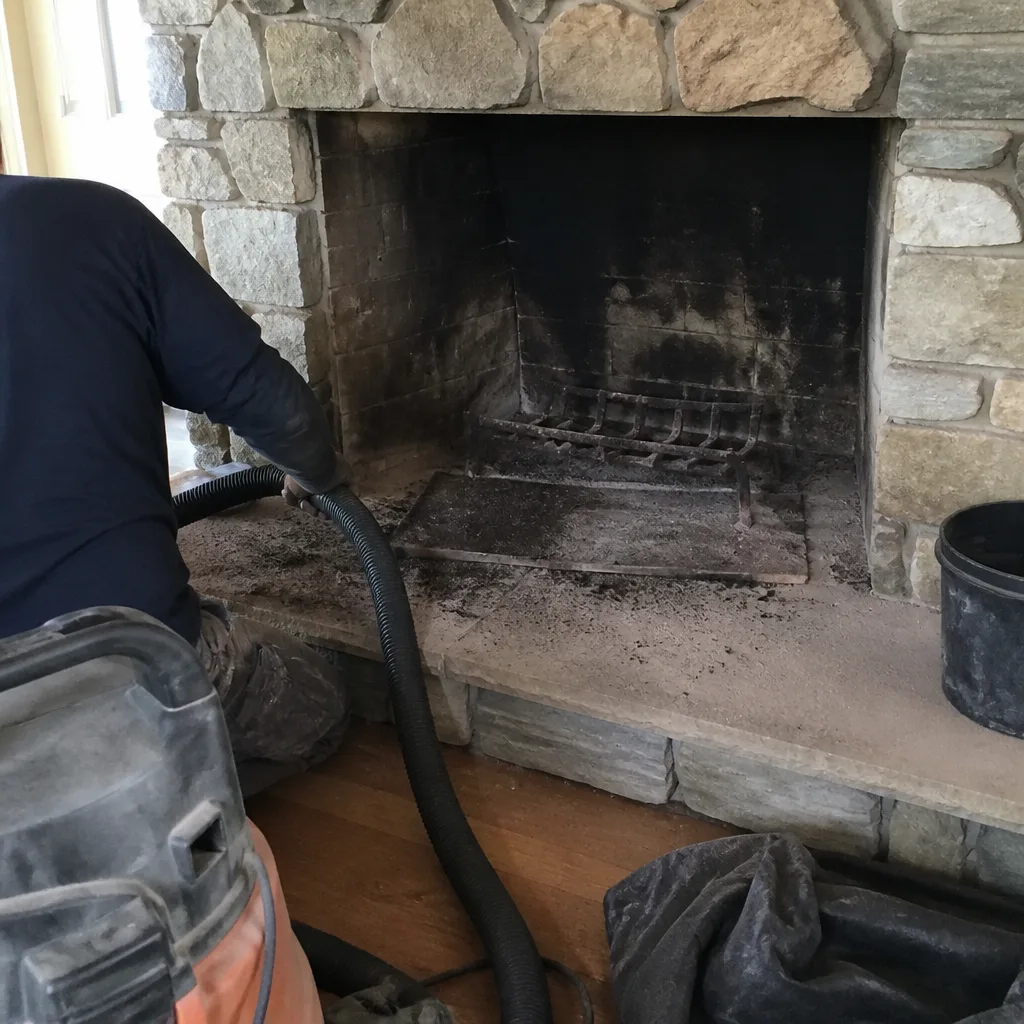 Before
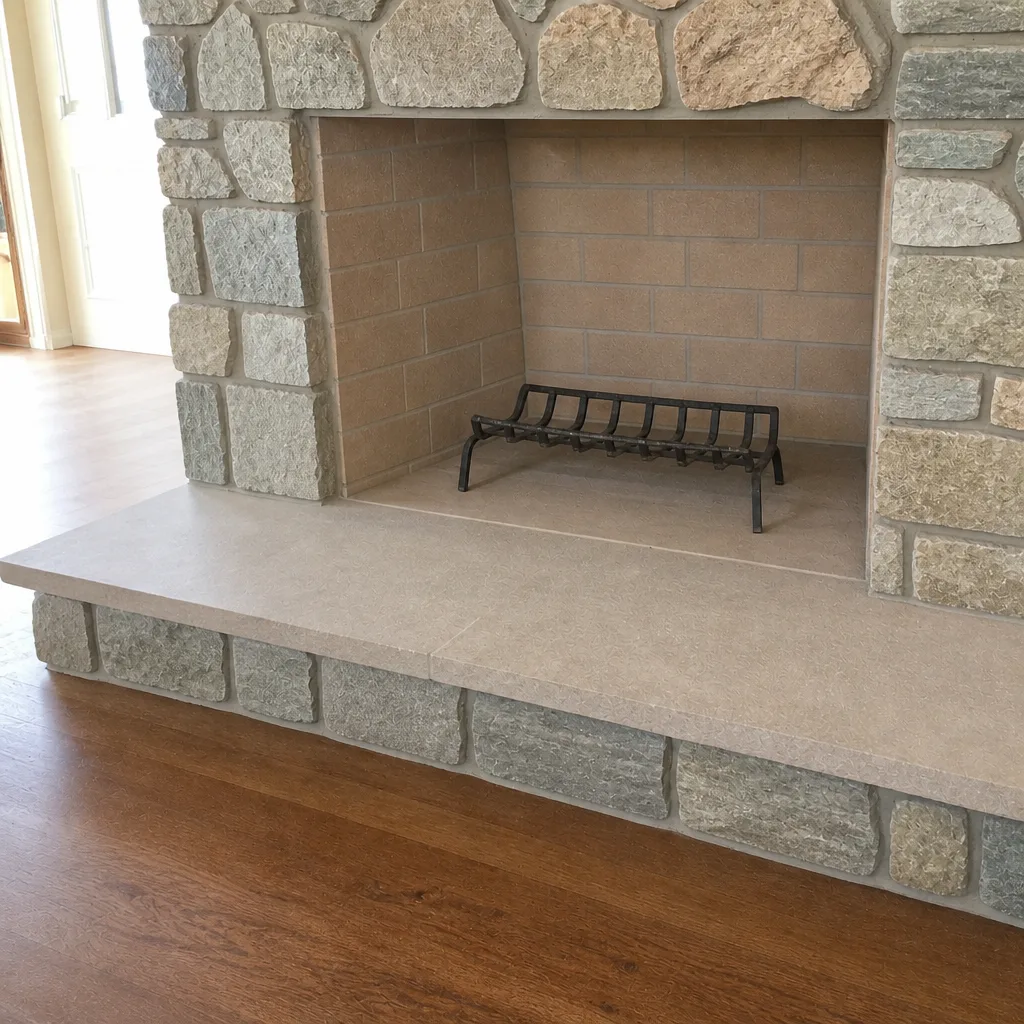 After
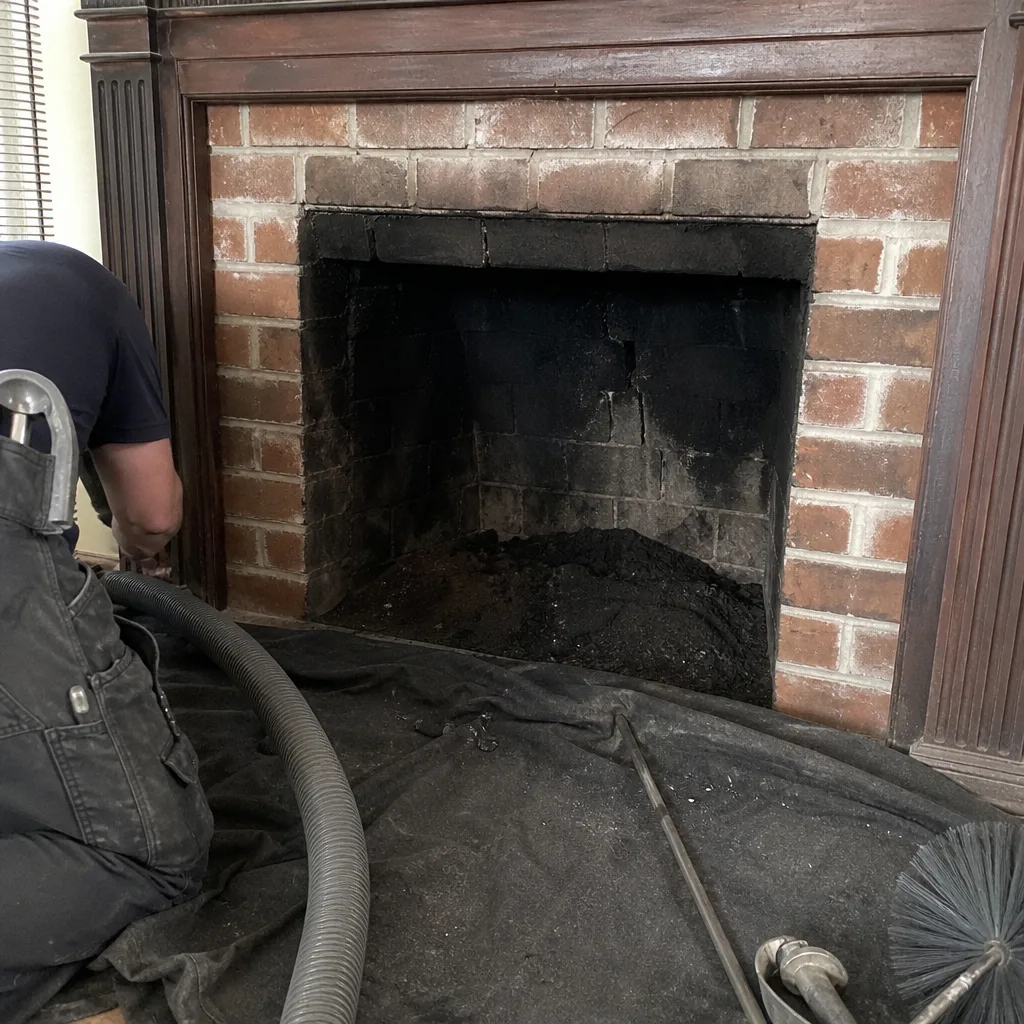 Before
 After
 Before
 After
When to Call a Professional
Call for the same-day scenarios: active fire, smoke in the living space, an active CO alarm, a complete flue blockage, or a firebox that’s still hot to the touch. Those situations need a professional on the way, and emergency services first if there’s any active fire. Call for the “stop using” scenarios too – suspected fire, damaged liner, persistent draft problems, or smoke spilling into the room – because those need a camera inspection before another fire is lit. If you’ve moved into a Portland home and don’t know the chimney’s history, an inspection is the right first step before you burn. Belmont Chimney Cleaning offers free estimates in Portland – call (866) 413-9023.
Frequently Asked Questions
The strongest signs are puffy, honeycombed creosote in the firebox, cracked or flaking flue tiles visible up the throat, a warped damper, and creosote flakes on the roof or ground near the cap. Any of these means a post-fire inspection, even if you never saw a flame. Call (866) 413-9023 for an exact quote – estimates are free.
No. Don’t burn again until a certified sweep has inspected the flue with a camera, because heat damage to the liner isn’t visible from the hearth. The second fire is where a small problem becomes a serious one. Call (866) 413-9023 for an exact quote – estimates are free.
Leave the house, call 911 and the gas utility, and don’t re-enter until cleared. After you’re cleared, book a chimney inspection before you burn again, because a CO alarm with a wood-burning appliance usually points to a blocked flue, a failed liner, or a downdraft condition. Call (866) 413-9023 for an exact quote – estimates are free.
Sweep based on use, not the calendar. If you burn regularly, an annual inspection and sweep is the norm, and a pre-season visit before the wet months is the practical choice for most Portland homes. If you burn only a few times a year, have the chimney inspected anyway so creosote buildup is checked. Call (866) 413-9023 for an exact quote – estimates are free.
You need a liner when the camera shows cracked tiles, separated joints, or heat damage that lets gases into the structure. You don’t need one just because the flue is dirty. The camera evidence should be shown to you, and HeatShield resurfacing or a DuraFlex reline are options only when the damage calls for it. Call (866) 413-9023 for an exact quote – estimates are free.
We’re closed on Saturday. If a fire is active, call 911 first. Once things are calm, call (866) 413-9023. We answer 24/7, and a call outside dispatch hours is booked into the next opening, Sunday through Friday, 7am to 7pm.
The Bottom Line
Chimney emergency preparedness comes down to a simple rule set. Recognize the quiet signs of a chimney fire – puffy creosote, cracked tiles, a warped damper – and treat any of them as a stop-use condition until a camera inspection clears the flue. Know which situations are urgent (active fire, smoke inside, a CO alarm, a complete blockage) and which can wait for the next available visit. Keep CO detectors working, don’t burn again after a suspected fire, and don’t put water down a hot chimney. Portland homeowners who’ve thought these scenarios through in advance respond better when they actually happen. Call (866) 413-9023 for a free estimate. We answer 24/7. Fast dispatch from 7am to 7pm, Sunday through Friday.
Written by the team at Belmont Chimney Cleaning.