
Last updated November 14, 2026
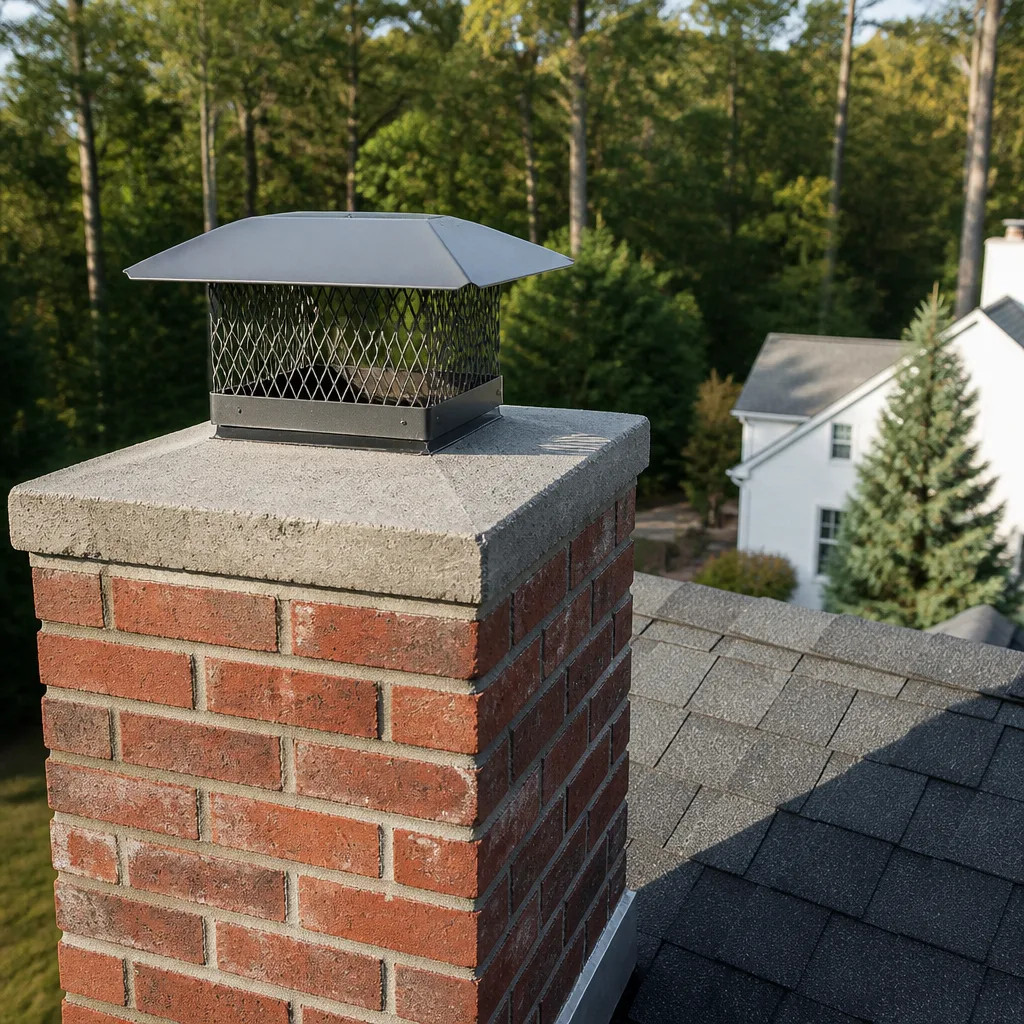 Sweep & inspection
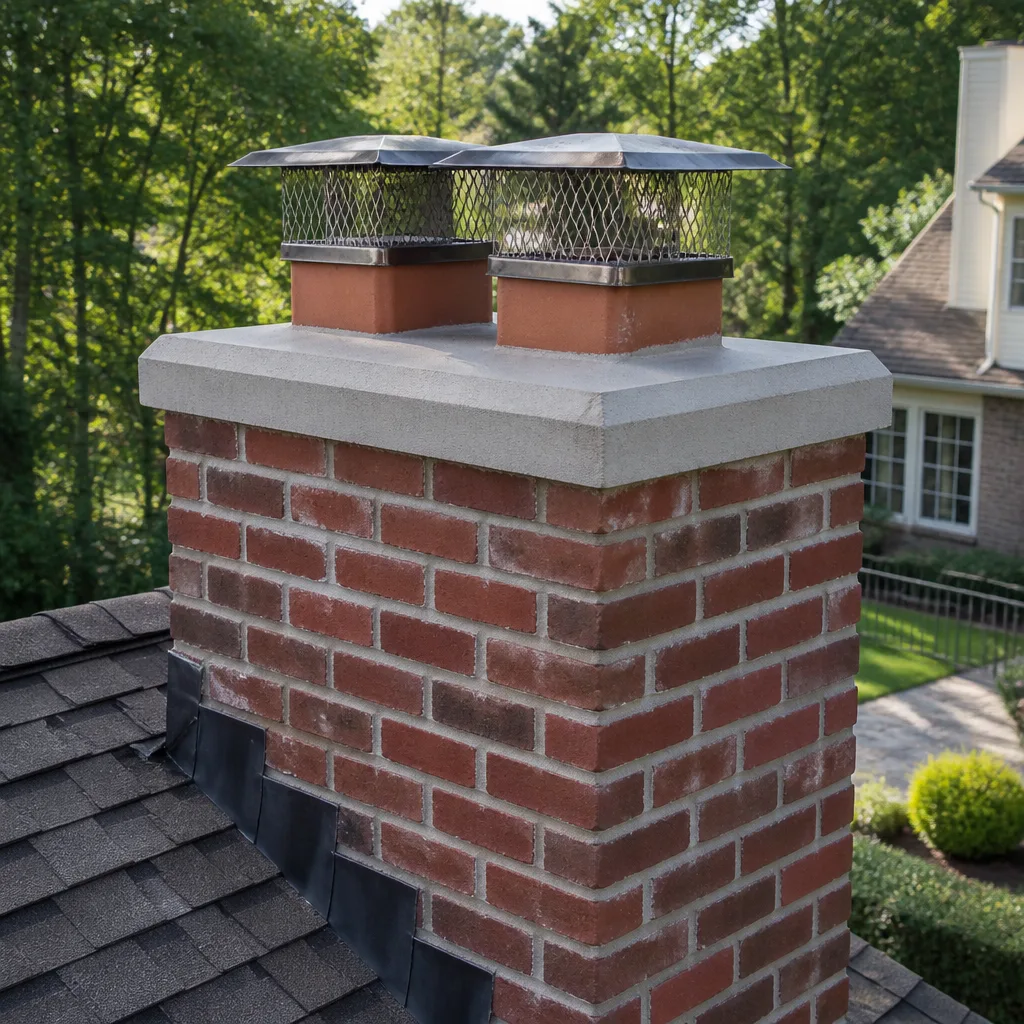 Caps & crowns
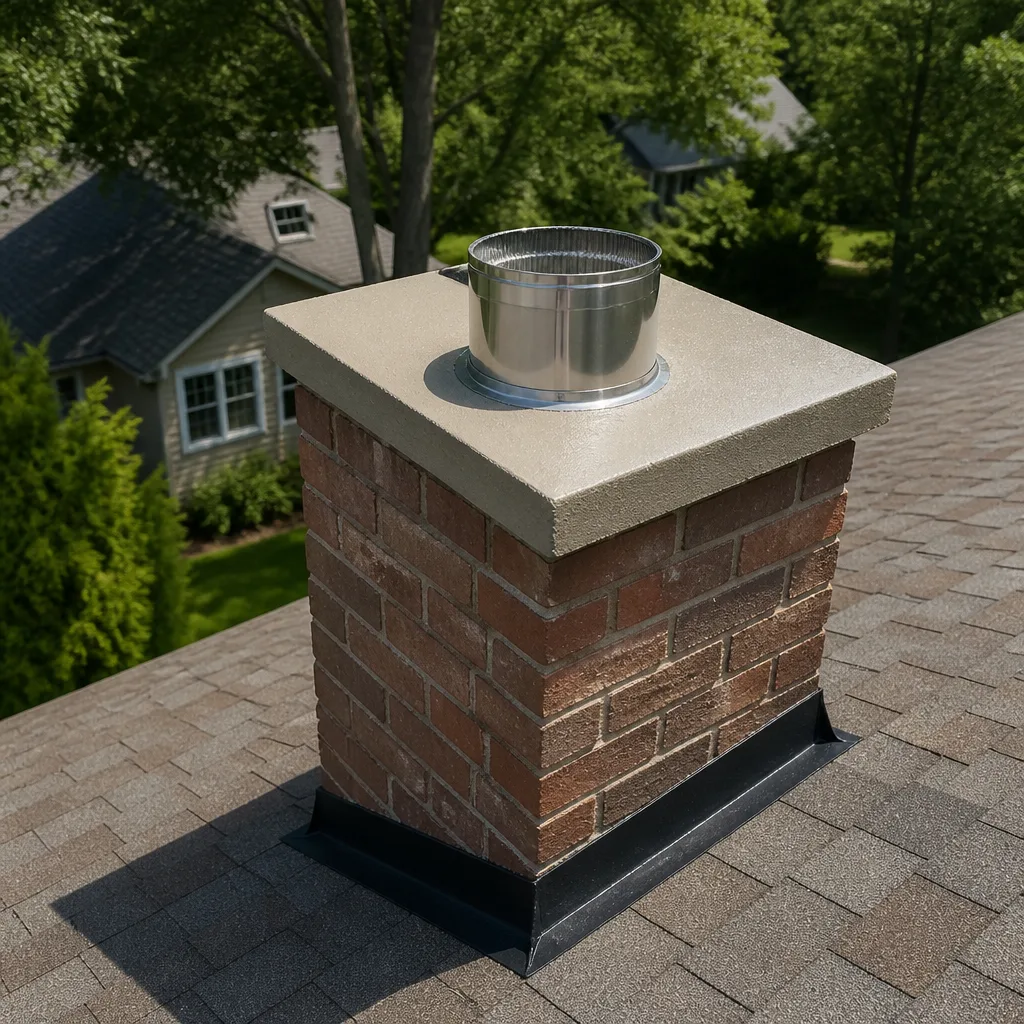 Flue relining
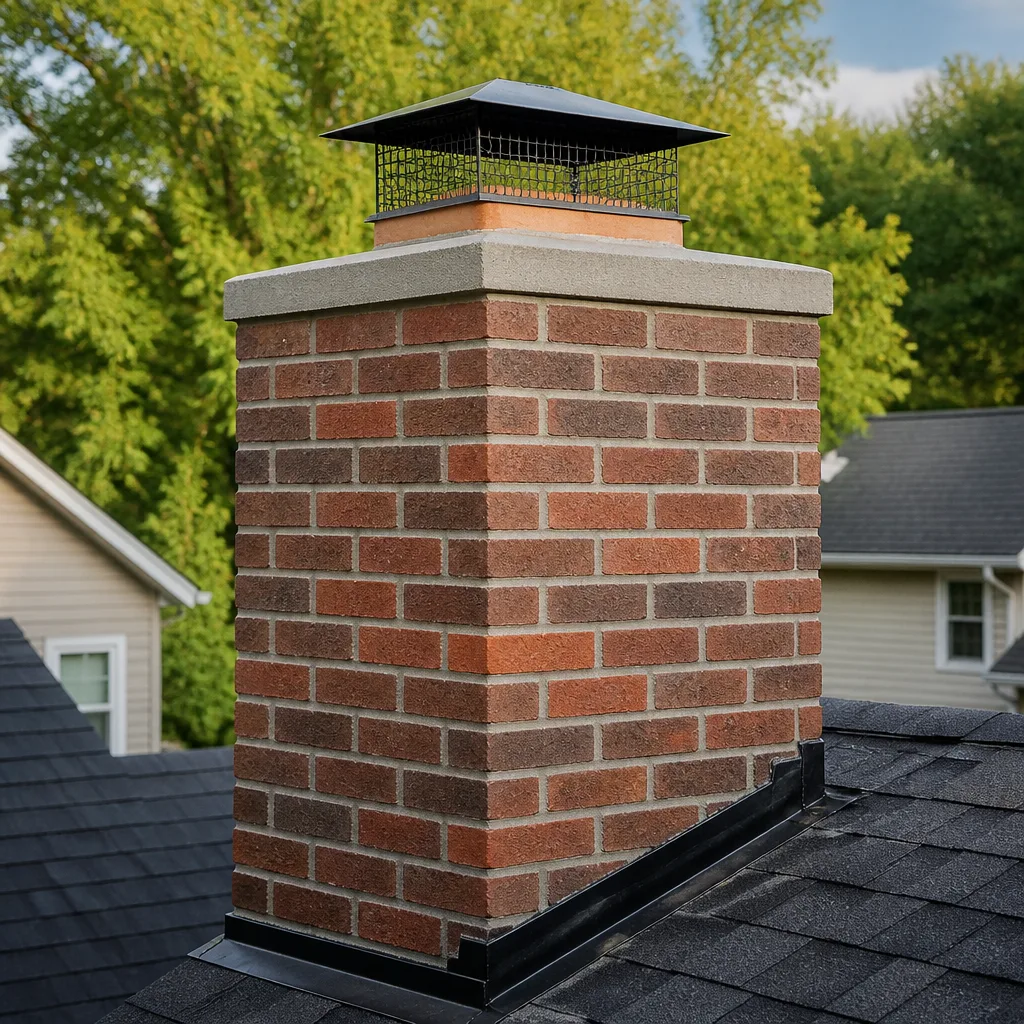 Masonry repair
 Gas fireplace service
Level 1 sweep and inspection to the NFPA 211 annual standard - flue, crown, cap, and flashing checked and photographed
Chimney sweep logs do not sweep chimneys. They loosen some creosote - which then falls where a brush and vacuum still have to collect it.
DIY vs Professional Chimney Cleaning: The Portland Homeowner’s Decision Guide
Most chimney cleaning advice treats the decision as a skill question: are you handy enough, or aren’t you? That’s the wrong frame. A hardware store brush kit can knock Stage 1 creosote off the inside of a clean flue, and plenty of careful Portland homeowners do exactly that every season. What the kit cannot do is tell you whether the liner behind that soot has a hairline crack letting combustion gases creep into your living space. In Portland’s housing stock, where a lot of chimneys have been quietly doing their job for a very long time, that distinction matters more than whether you own a ladder. This guide draws an honest line between the maintenance you can handle and the assessment you shouldn’t try to replicate.
Quick Answer
DIY brushing is reasonable for a lightly used fireplace with a recently inspected, sound flue, where your goal is removing loose soot and keeping the firebox tidy. It is not a substitute for professional cleaning and inspection when a chimney heats your home through the winter, when creosote has built up beyond a thin Stage 1 film, or when you have no way to look past the damper. The camera inspection is the part no homeowner can replicate, and it’s the part that finds the cracks, gaps, and glaze that actually create risk.
Styles & brands we work with
- Sweep & inspection
- Caps & crowns
- Flue relining
- Masonry repair
- Gas fireplace service
Table of Contents
- What DIY Brushing Can and Cannot Accomplish
- When DIY Chimney Cleaning Is Reasonable
- The Tools a DIY Job Actually Requires
- The Camera Inspection Gap
- Why Portland’s Housing Stock Changes the Calculation
- Using DIY Maintenance Between Professional Sweeps
- Understanding Creosote Stages Before You Decide
- Common Mistakes to Avoid
- When to Call a Professional
What DIY Brushing Can and Cannot Accomplish
A chimney brush does one job well: it abrades and lifts creosote that has deposited on the flue walls, then the soot and debris fall to the firebox where you can remove them. That’s genuine maintenance value. A homeowner who stays on top of light deposits keeps the flue clearer, which supports better draft and reduces the fuel available to a chimney fire. We won’t pretend otherwise. Removing loose soot is real work with a real result.
What the brush cannot do is assess the system. Brushing tells you nothing about whether the liner has a crack or a gap at a joint, whether the crown is cracked, whether there’s a hidden obstruction, or whether a previous occupant connected a wood stove improperly. A brush passing through a flue removes material; it doesn’t interpret. The most important part of a professional visit isn’t the scrubbing, it’s the looking.
There’s a material distinction too. Creosote doesn’t come off in one texture. Stage 1 is the light, flaky, soot-like deposit a brush handles. Stage 2 is denser and stickier and resists a standard brush. Stage 3 is glazed and hard, and a brush will skate across it rather than remove it. A homeowner can’t reliably tell which stage they’re looking at from the firebox, and glazed creosote is the fuel load that matters most for fire risk.
- Can do: remove light Stage 1 soot from a clean, sound flue; keep the firebox and smoke shelf tidy; support draft between professional visits.
- Cannot do: identify liner cracks or joint gaps, read creosote stage under a layer of soot, inspect above or around offsets, confirm the crown and cap condition, or verify the flue is properly sized for the appliance.
Understanding that split is the whole point of this guide. DIY and professional cleaning aren’t competing products; they’re different jobs done at different times. Our full-service approach means we can sweep, clean vents, and repair the system under one company rather than handing you off between contractors, but even a one-time sweep earns its keep because of the inspection that comes with it.
When DIY Chimney Cleaning Is Reasonable
We’d rather a homeowner clean their own lightly used fireplace properly than neglect it entirely. So here’s a straight answer on the situations where DIY is a fair call rather than a gamble. These are the cases where the deposit is likely light, the system is already known to be sound, and the homeowner’s goal is maintenance rather than diagnosis.
- The fireplace sees occasional use, not daily heating. A recreational fire on cool evenings builds less creosote than a system carrying the house through a wet Portland winter, when the fire runs hot and long for months.
- The chimney was professionally inspected recently and found sound. If a trained technician has looked at the flue, the liner, and the cap, and the system passed, you’re maintaining a known system rather than diagnosing an unknown one.
- You’re after cosmetic firebox cleaning. Ash removal, firebox sweeping, and cleaning the glass and grate are homeowner jobs with no assessment component.
- You’re keeping the smoke shelf and damper area clear. Loose debris that collects at the smoke shelf is easy to remove from below and improves how the fire starts.
- You’re between professional appointments. A midseason brush to knock down soot, with the annual or seasonal sweep still on the calendar, is complementary maintenance.
The common thread is that DIY works when you already know the system is healthy. If you don’t know, the brush doesn’t tell you. That’s where the decision tips toward having a professional look. And in case you want the professional route for the first pass, our chimney sweep service includes the inspection that establishes the baseline you’d be maintaining.
The Tools a DIY Job Actually Requires
Hardware store kits are the weak link in most DIY attempts. A kit that costs about as much as a pizza often includes a brush that’s too soft for the flue, a rod set that’s too short or too flexible to reach the top, and no drop cloth, no vacuum, and no way to check what you’ve done. Doing the job properly requires the right brush for your flue size and material, rods rigid enough to control, adequate protection for your floor and room, and a way to look at what you removed.
Fiberglass rods are the ones professionals specify; they’re stiff, snap together cleanly, and won’t whip against the liner the way a cheap flexible rod can. The brush head needs to match the flue’s inside diameter within a reasonable tolerance, too loose and it won’t touch the walls, too tight and you’ll bind the brush and risk the liner. A proper poly brush is right for a stainless liner; a wire brush is aggressive and should be used with real care, and never where it can chew a soft surface. Professional-grade brushes and components are built to hold up to repeated use, and the difference shows in a hardware store kit the first time you put pressure on it.
The room matters too. Brushing a chimney throws soot. A proper job needs drop cloths, a sealed area around the firebox, and a HEPA vacuum at the ready, not a shop vac that sprays fine soot back into the air. We come prepared to fix what we find, and the professional-grade materials we carry reflect that: DuraFlex for relining, Olympia Chimney components for stainless work, and Famco gear built for the job. Those aren’t big-box substitutes, and they hold up in a way the boxed kits don’t. If you’re going the DIY route, a professional supply house is a better starting point than a hardware aisle. If you’d rather schedule the professional version, our Belmont Chimney Cleaning team is one call away.
The Camera Inspection Gap
This is the center of the whole decision. The single most valuable thing a professional brings isn’t a brush; it’s a camera on the end of a rod. A chimney camera lets a technician see the inside of the flue from top to bottom, including joints, offsets, and the liner itself, and capture a photo record the homeowner can review. A brush can’t do that, and a flashlight from the firebox can’t either. The firebox view usually stops at the damper, and above that is an unknown.
We’ve seen the gap close most often in Portland homes where the chimney has been serving quietly for a very long time and no one has ever looked past the damper. Some cracks and gaps are the kind of thing a technician spots in seconds on a screen and the homeowner could never find with any amount of brushing. That doesn’t mean every crack is a disaster, but it does mean the homeowner is flying blind without the camera view. The honest position is that a competent chimney sweep comes with a camera inspection and a photo report, and that the photo report is what lets you stop guessing. Nothing is recommended without evidence you can see for yourself, and that’s the standard we hold to.
- Camera inspection shows the full length of the flue, not just the firebox.
- Photos catch liner cracks and joint gaps that brushing leaves invisible.
- A visible record lets you compare condition year to year.
- A qualified technician can tell you when a problem can safely wait, and it’s not always this season.
Why Portland’s Housing Stock Changes the Calculation
Portland’s mix of older homes and seasoned chimneys means a lot of systems were built decades ago and maintained at some point by someone else, or not at all. That history matters because it means the condition of any given flue is genuinely unknown. A chimney that looks fine from the firebox can have a liner install from a decade past that was done with substandard material, or a stone stack that’s weathered, or a crown that’s cracked and letting water in where it shouldn’t. These are the exact things a camera inspection catches and a brush doesn’t.
Portland’s climate compounds all of it. Wet winters are hard on masonry: water soaks into a cracked crown, freezes, thaws, and expands a crack over time. That’s a seasonal cycle that a homeowner can’t watch happen from indoors, and it’s why we treat a chimney as a system rather than a flue with a brush. A wet winter also means the fire runs more often and longer, which builds creosote faster than an occasional fire. Understanding the local context is part of locating good help. To learn more about how we work in the city, see Portland, where we lay out the local service picture.
None of this is meant to be alarming. Older stock is not automatically a problem. The point is that in a city with this much chimney age and this much rain, “I inspected it with a flashlight” is a thin assurance. It’s the same reason we treat the dryer vent as part of the same conversation, since lint in a blocked vent and creosote in a flue share the same fire-fuel profile.
Using DIY Maintenance Between Professional Sweeps
The most useful role for DIY is between professional visits. A homeowner who brushes light soot after a long stretch of fires, keeps the firebox clear of ash, and checks that the damper moves freely isn’t competing with a chimney sweep; they’re keeping the system well-groomed until the next scheduled inspection. That’s the complementary model, and it’s the one we recommend. It keeps the fireplace performing well and it makes the professional visit more efficient when it arrives.
- Burn seasoned firewood. Wet wood smolders and deposits more creosote. Dry, seasoned wood burns hotter and cleaner.
- Brush a light soot layer between fires. A quick pass over the smoke shelf and damper area is fine between professional appointments.
- Keep the firebox free of ash buildup. A thin ash bed is fine; a deep one reduces airflow and efficiency.
- Watch the fire and the draft. Smoke rolling back into the room, a weak draft, or a fire that struggles to start are signals to have the flue inspected sooner.
- Schedule the professional inspection on a regular interval. A lightly used fireplace and a whole-house heating system have different maintenance rhythms.
The same logic applies to your dryer vent, the other fire-fuel channel in most homes. Lint accumulates in the same way and is often more dangerous than people realize: the National Fire Protection Association documents blocked dryer vents as a leading cause of home dryer fires. Our dryer vent cleaning service exists for that reason, and it’s worth pairing with the chimney visit so the whole system gets attention at once. Both channels carry the same basic risk, and both benefit from a trained set of eyes.
Understanding Creosote Stages Before You Decide
Creosote is the residue left behind when wood smoke cools on the flue walls. It is the fuel for a chimney fire, and its behavior depends heavily on how much heat the flue has been exposed to and how well the fire has been drafted. There are three practical stages, and they look different to different observers. That’s exactly the problem: from the firebox, you cannot reliably tell which stage you’re looking at.
- Stage 1: light, flaky, soot-like deposit. A brush handles this well, and it’s the stage where DIY cleaning is realistic.
- Stage 2: denser and stickier. A standard brush leaves more than it removes, and professional tools and technique come into play.
- Stage 3: glazed and hardened. A brush skates across it. Removal needs professional equipment and judgment, and a chimney in this condition is a real fire-risk conversation, not a cosmetic one.
The honest lesson is that you can’t grade your own creosote from below. Stage 1 looks like “a bit of soot.” Stage 3 can look like “not much up there” until the camera comes down. We use professional-grade materials and tools, and we can resurface a deteriorating flue with HeatShield when the tiles are wearing, or reline with DuraFlex when the liner itself needs replacing. Those are the tools a repair-capable specialist brings, and they sit well beyond what a boxed brush kit can address. When it comes to understanding how bad the deposit really is, the professional inspection is the answer.
Common Mistakes to Avoid
- Skipping the inspection on the assumption that a clean flue is a safe flue. A brush can remove soot from a cracked liner as easily as a sound one, leaving the crack entirely undetected.
- Using the wrong brush for the liner. A wire brush can damage a stainless liner or a soft masonry surface. Match the brush to the material, and when in doubt, ask a professional supplier.
- Cleaning without dust control. Brushing without sealed drop cloths and a proper HEPA vacuum spreads fine soot through the room. It travels further than people expect.
- Assessing from the firebox only. A flashlight view usually stops at the damper, which is exactly where the useful information begins.
- Assuming a cold, wet Portland winter means the system is fine because it “worked last year.” A chimney can work all season and still be a risk. Performance isn’t the same as condition.
- Ignoring the dryer vent because the chimney is the “real” chimney. Both channels carry fire fuel, and the vent is often the more neglected of the two.
- Treating a professional inspection as a sales pitch rather than a service. The camera report is what lets you tell the difference between a real problem and an upsell. Insist on seeing the evidence.
When to Call a Professional
Call a professional when the system heats your home through the season, when you don’t know the condition of the liner, when the fire has ever behaved oddly (smoke rolling back, weak draft, difficulty starting), or when the chimney has not seen an inspection in a very long time. Call it when you can’t see past the damper. And call it without hesitation when creosote has likely moved past Stage 1. The cost of a proper sweep and inspection is straightforward, and it’s the only way to know what you’re actually dealing with. Our technicians have up to 9 years of experience, and they bring camera inspection and a photo report as a matter of course.
Belmont Chimney Cleaning offers free estimates in Portland – call (866) 413-9023. We answer 24/7. Fast dispatch from 7am to 7pm, Sunday through Friday, and we’re closed on Saturday. One call covers your sweep, your dryer vent, and any repairs we find along the way, with a written estimate that sets the final price before any work begins.
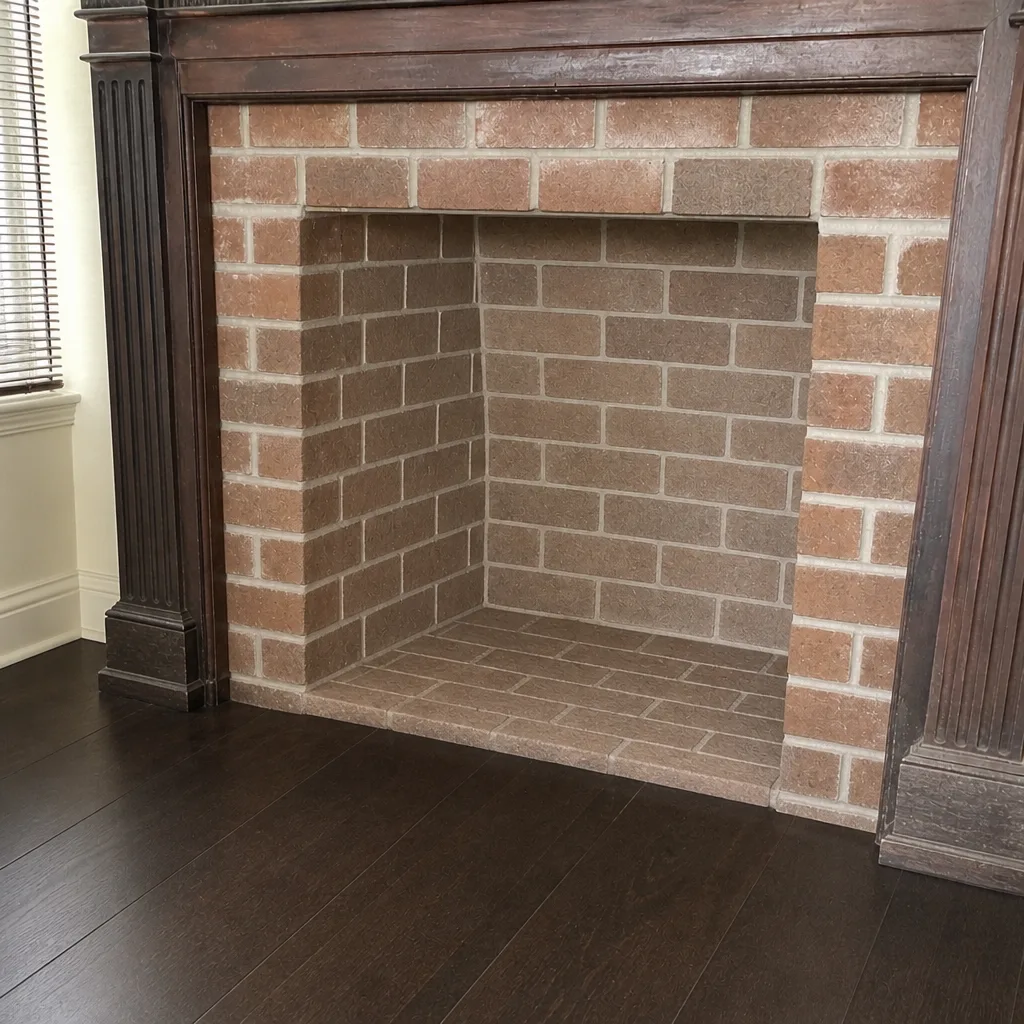
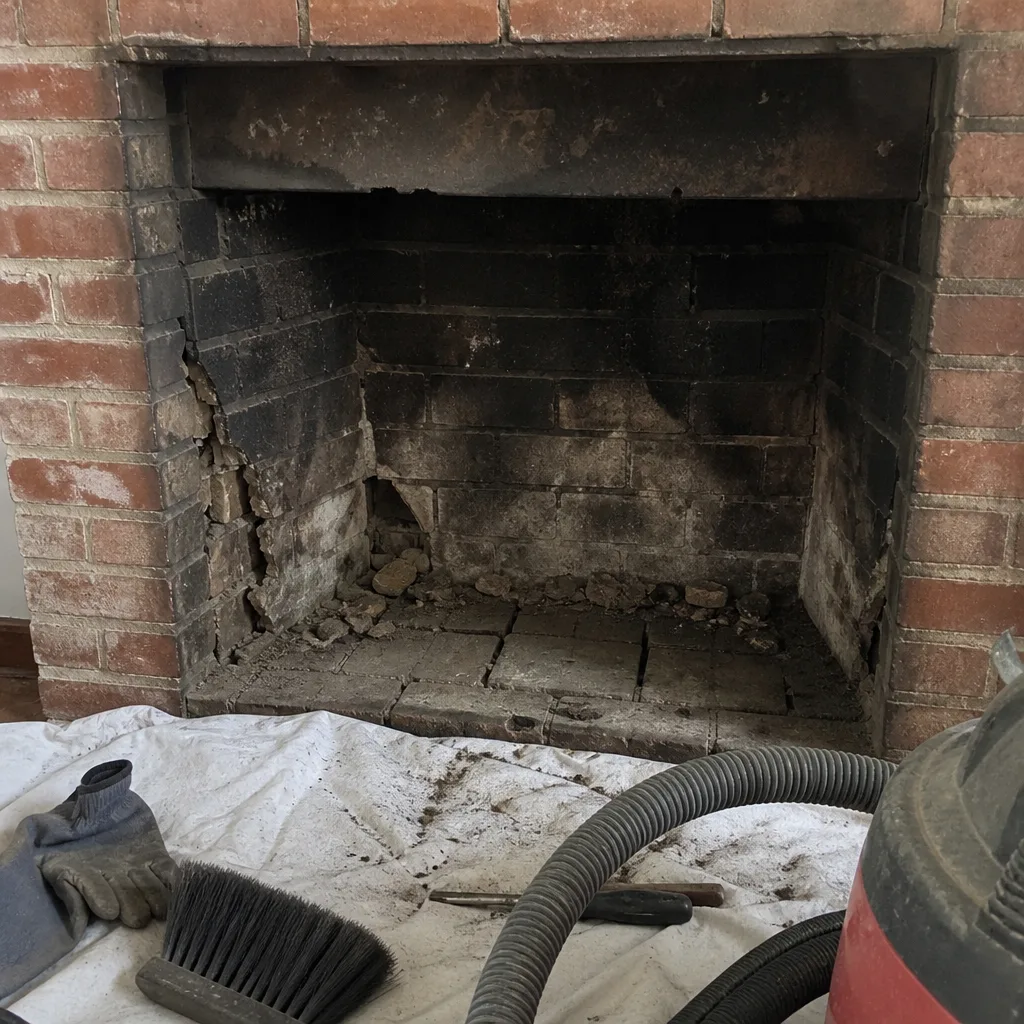
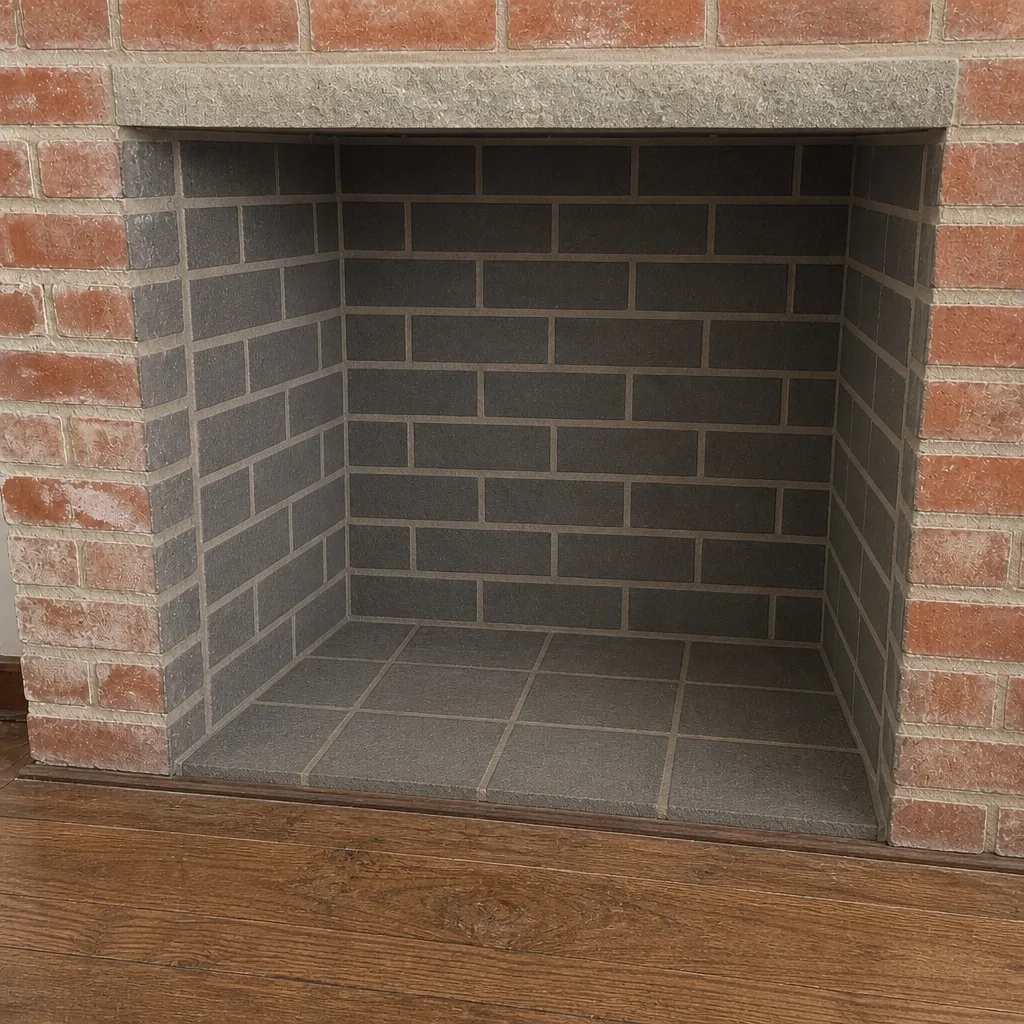
See the difference
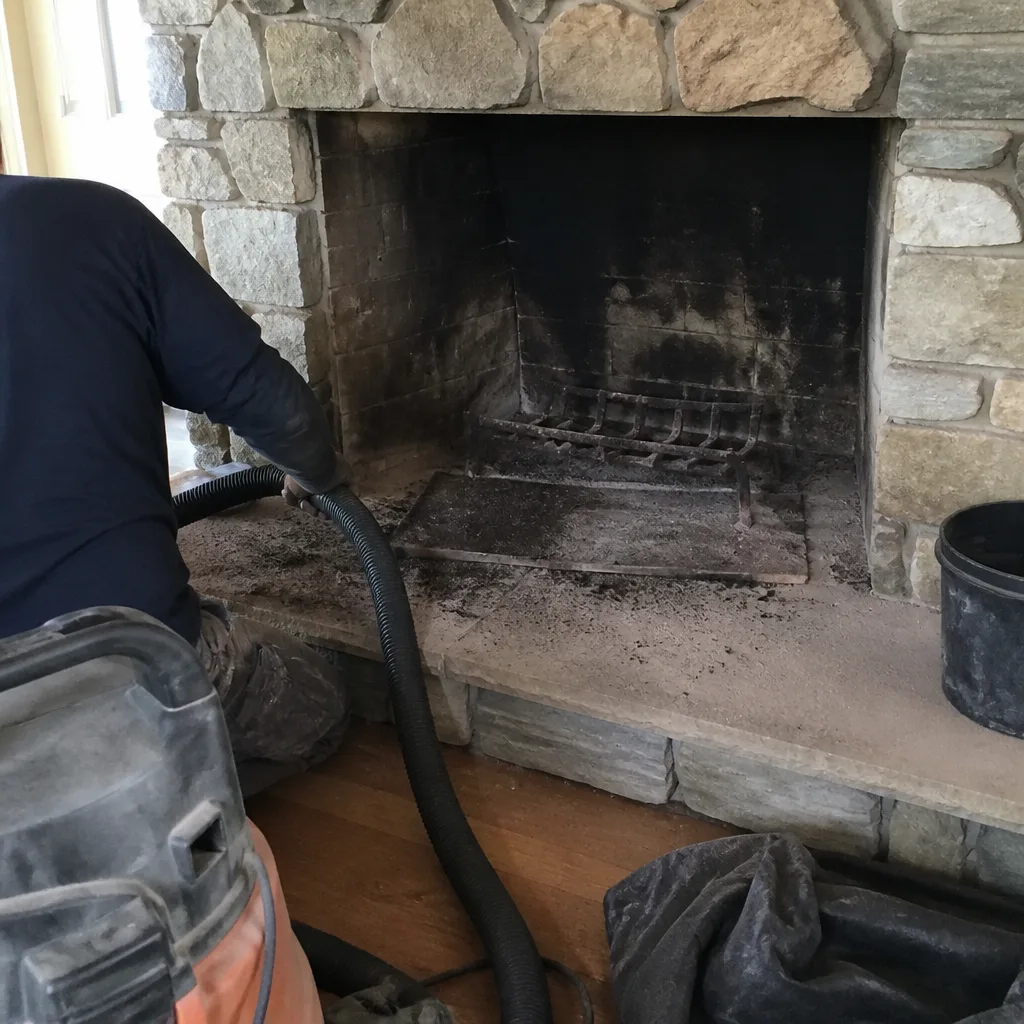 Before
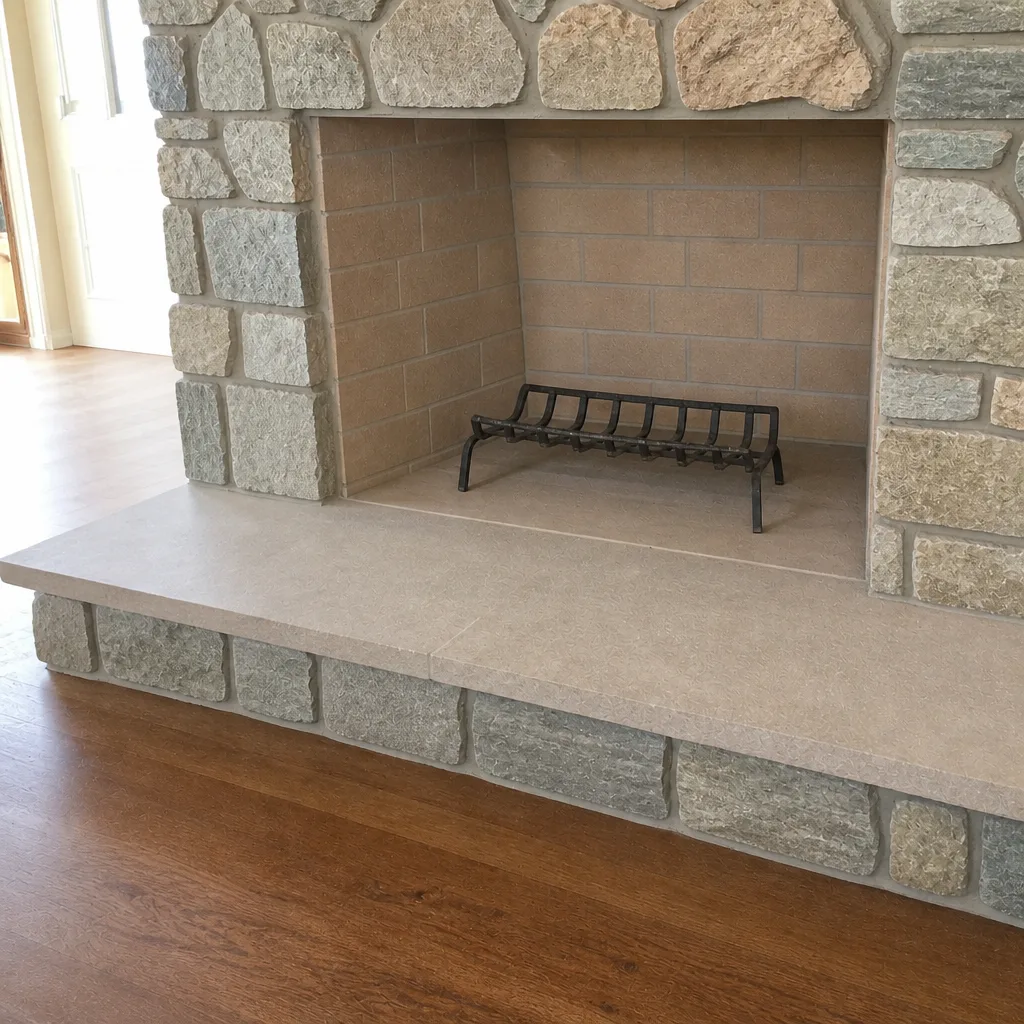 After
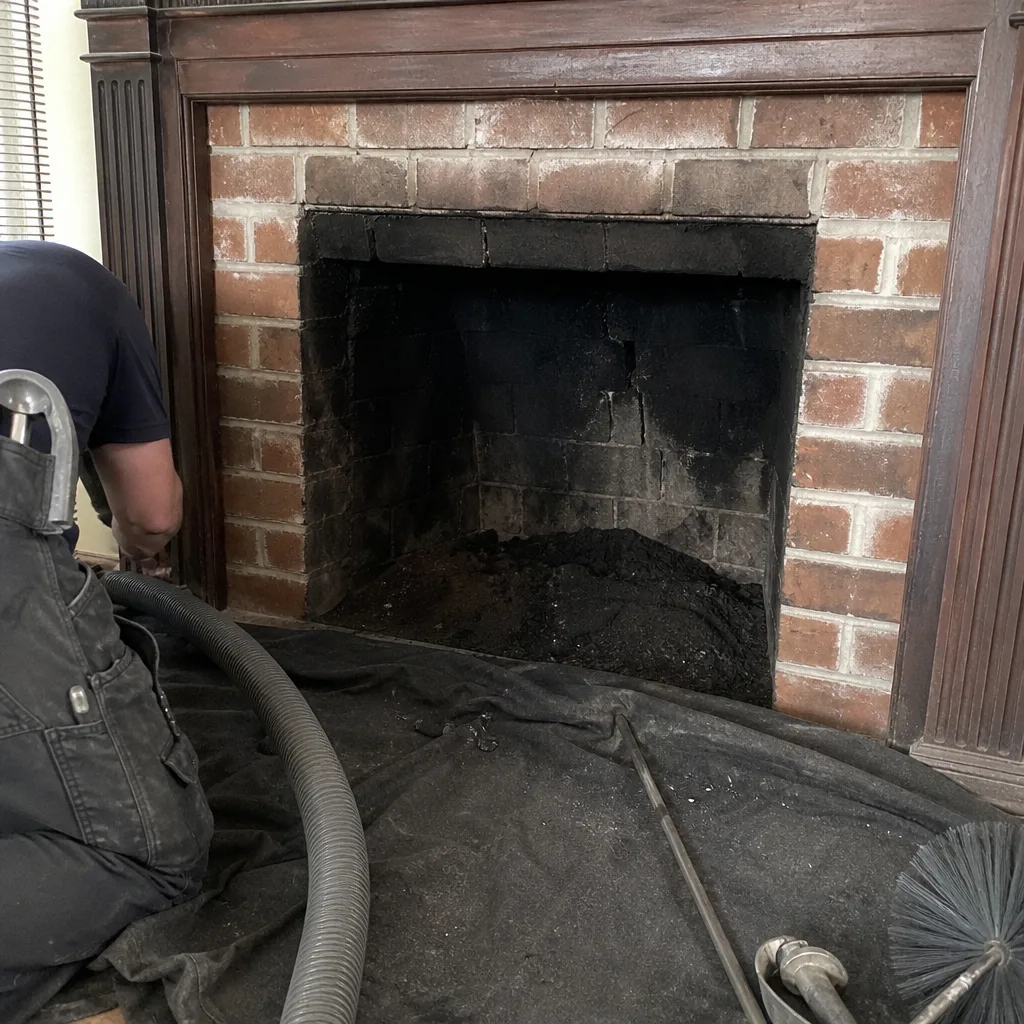 Before
 After
 Before
 After
Frequently Asked Questions
Yes, for a lightly used fireplace with a recently inspected, sound flue, where your goal is removing light soot. A brush handles Stage 1 creosote well and supports draft. It cannot assess the liner, find cracks, or grade the deposit above the damper, so it doesn’t replace the inspection part of the job.
It depends on how the system is used. A fireplace used occasionally and a whole-house heating system that runs through a wet Portland winter are on different schedules. The practical answer is to have it inspected at an interval a technician sets after seeing your flue. A regular sweep keeps the system clear; the inspection is what tells you how often you actually need one.
Creosote builds up on the flue walls, and that built-up fuel is what a chimney fire burns. Lint in a blocked dryer vent behaves the same way. Skipping the cleaning means the fuel load grows, and the fire risk grows with it. A blocked vent also traps carbon monoxide, which is an indoor air safety issue and a reason to have both checked.
Impressions from the firebox don’t tell you much. A chimney can perform well all season and still harbor a liner crack or joint gap that a flashlight can’t reach. The camera inspection is the part that actually sees it, and that’s the service a professional brings that a brush cannot.
It shows the full length of the flue, top to bottom, including joint gaps, liner cracks, and any hidden obstruction. It also gives you a photo record you can compare year to year. Nothing should be recommended without evidence you can see, and if a problem can safely wait, you should hear that too.
Wet winters are hard on masonry. Water seeps into a cracked crown, freezes, thaws, and widens the crack over time, and none of that is visible from indoors. Portland’s older homes also mean more chimneys quietly doing their job without a recent look. That combination is exactly why a camera inspection is worth the appointment.
Yes. We handle sweeping, dryer vent cleaning, and structural repair under one company, so a single appointment can cover the whole system. Lint and creosote are both fire fuels, and both benefit from the same professional attention. A full-service visit is more efficient than one channel at a time.
The Bottom Line
DIY brushing is a real maintenance option, and we won’t talk you out of it when the fireplace is lightly used and the flue is known to be sound. What DIY can’t do is inspect the system, and the inspection is the part that finds the cracks and gaps that brushing leaves invisible. In Portland’s older housing stock and wet winters, that gap is the reason to book at least an annual look. Use DIY to keep the firebox groomed between professional visits, and use the camera inspection to actually know what you own. That’s the complementary model, and it’s how the system stays safe all the way to the top.
If you’d like that inspection on the calendar, or a sweep, or a dryer vent cleaning, we’re happy to help. Call (866) 413-9023 for a free estimate. We answer 24/7. Fast dispatch from 7am to 7pm, Sunday through Friday.
Written by the team at Belmont Chimney Cleaning.