
Last updated November 14, 2026
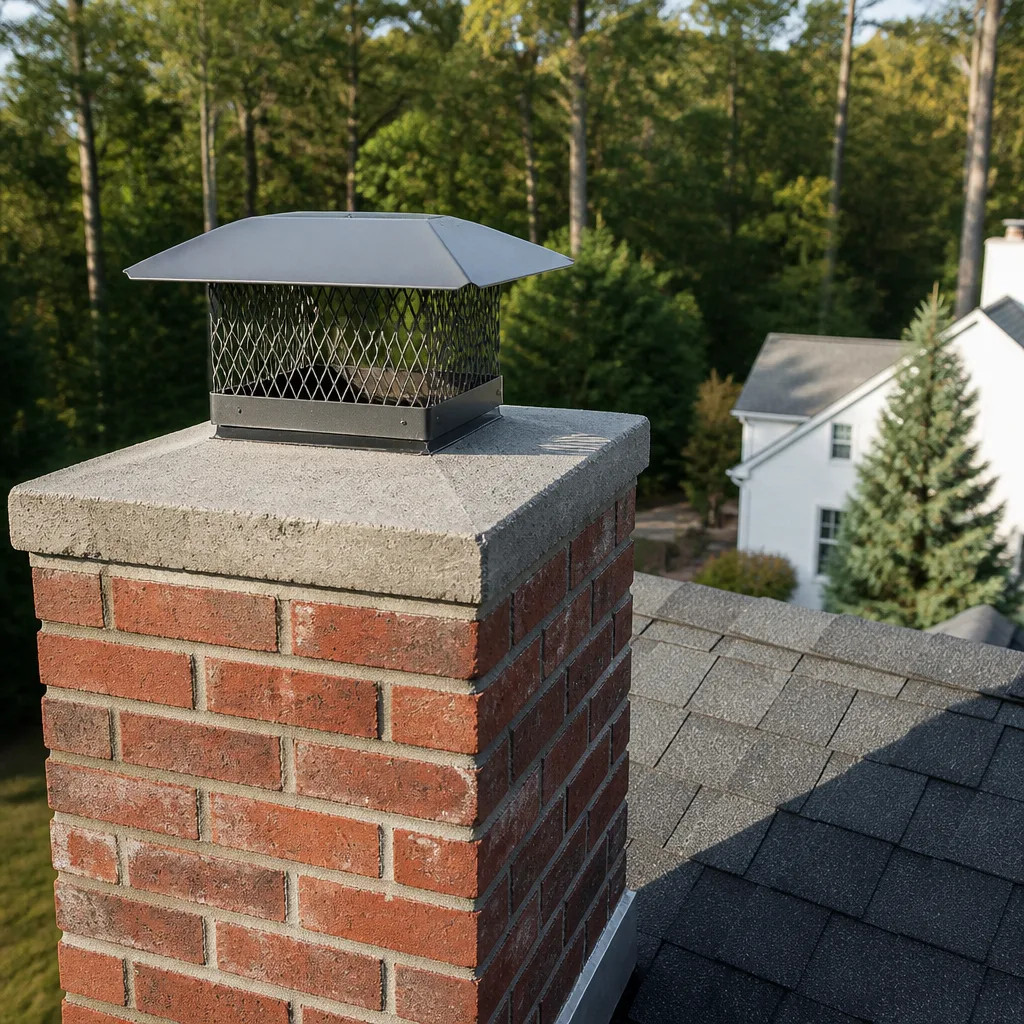 Sweep & inspection
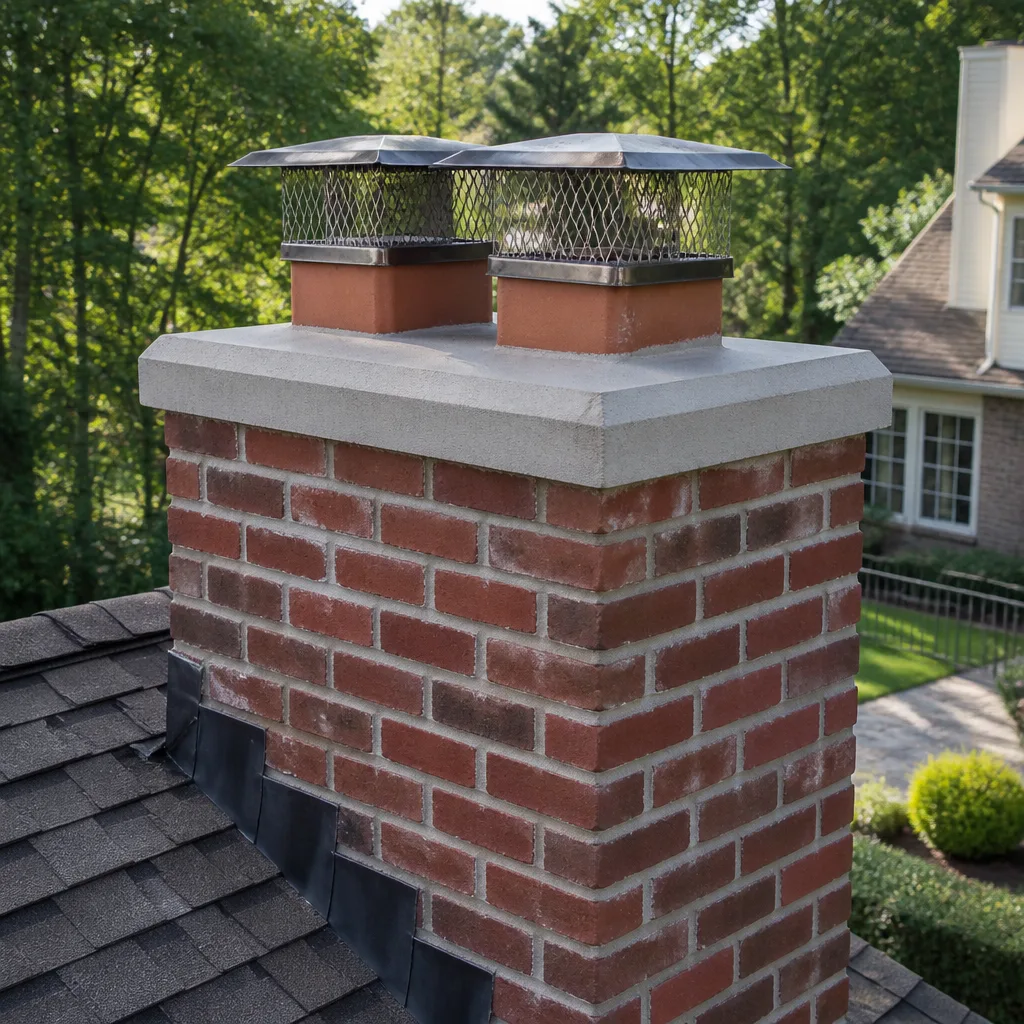 Caps & crowns
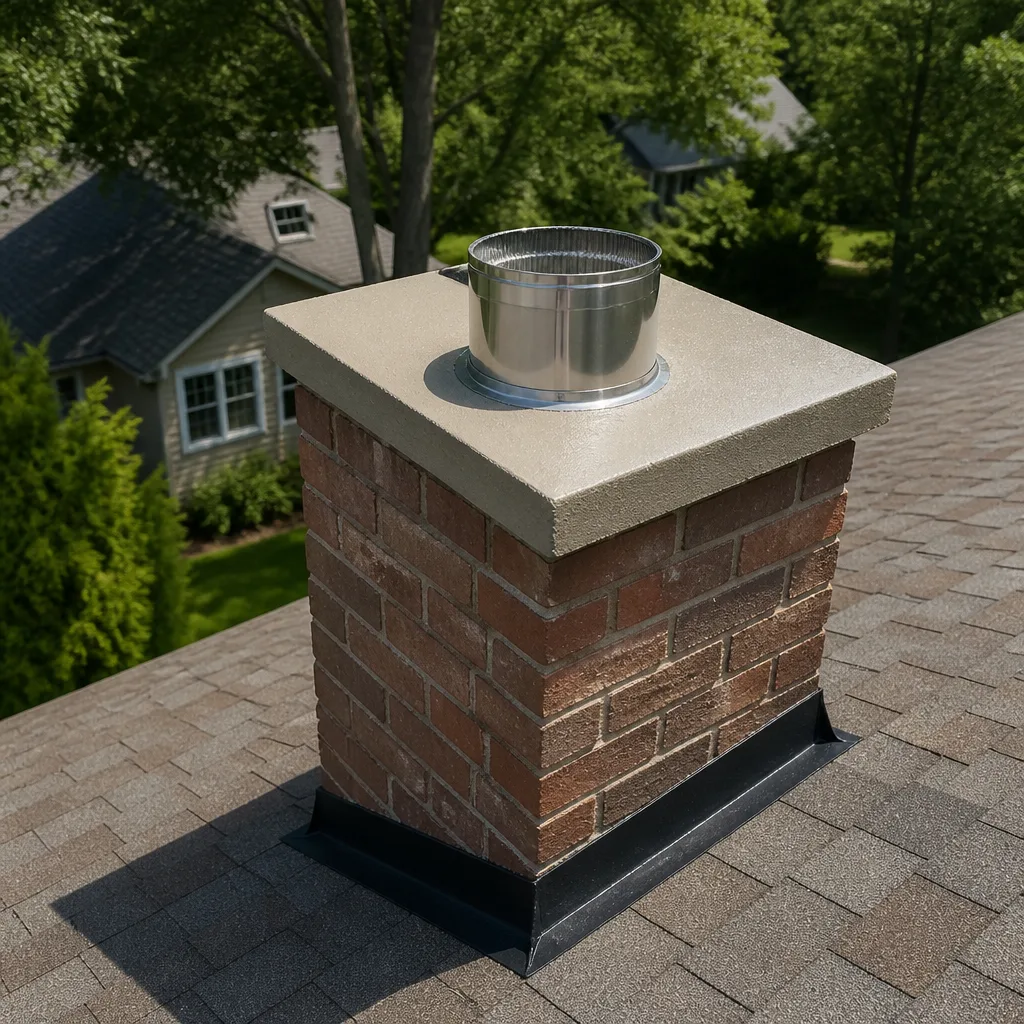 Flue relining
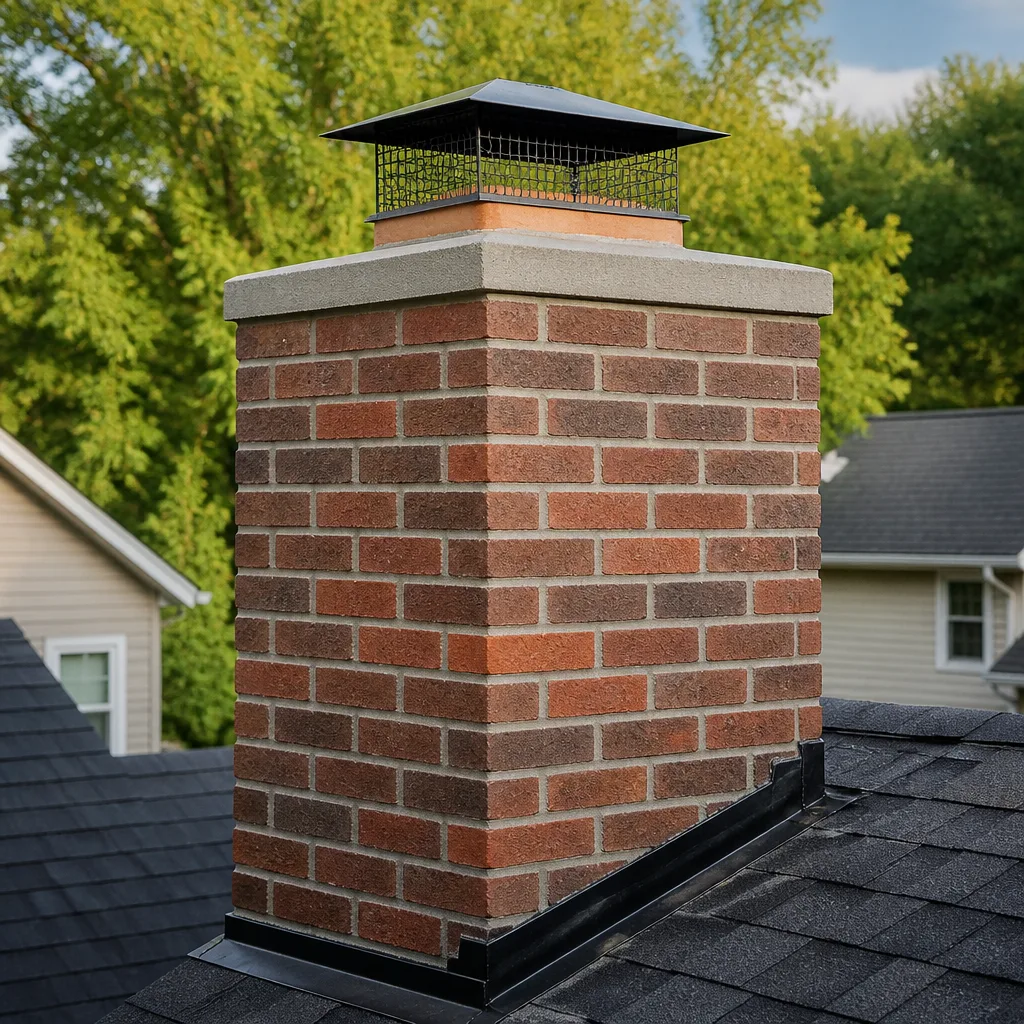 Masonry repair
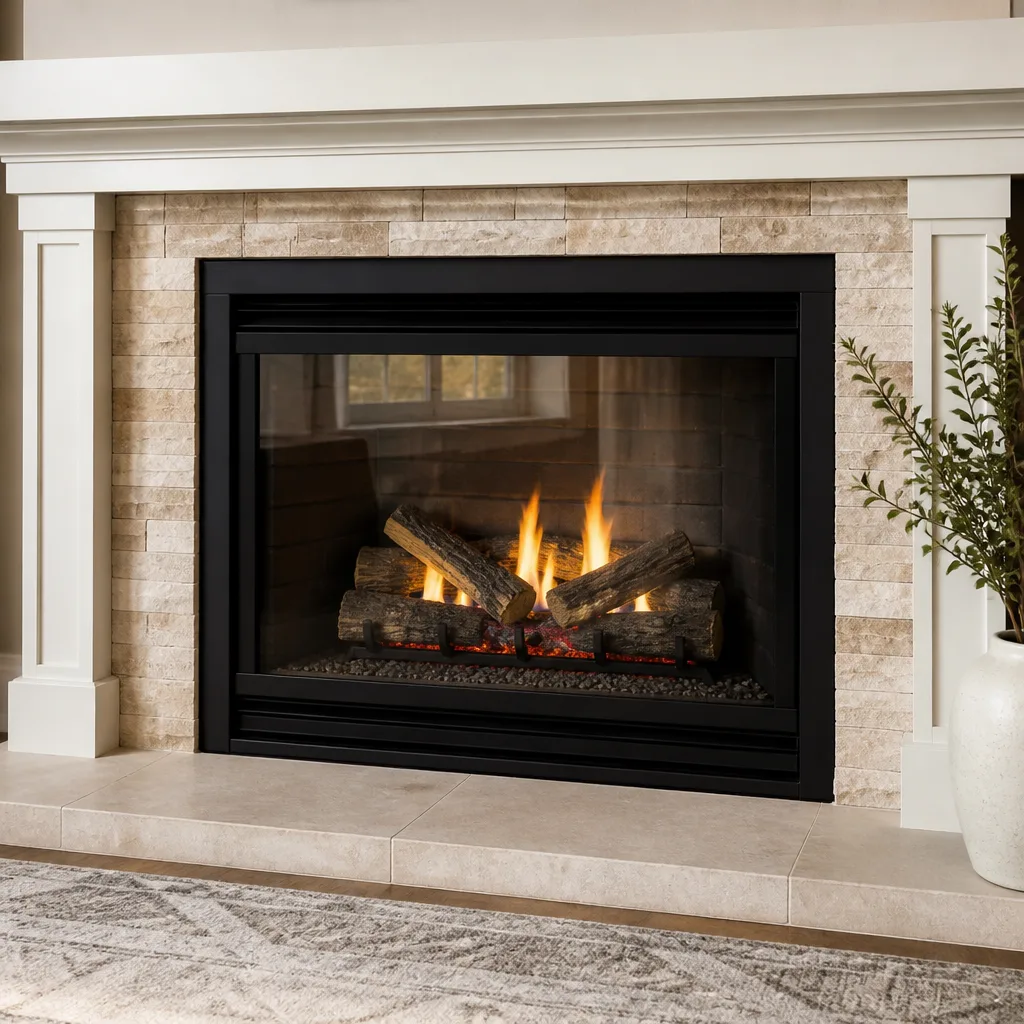 Gas fireplace service
Level 1 sweep and inspection to the NFPA 211 annual standard - flue, crown, cap, and flashing checked and photographed
Chimney sweep logs do not sweep chimneys. They loosen some creosote - which then falls where a brush and vacuum still have to collect it.
Chimney Cleaning Cost Breakdown: The Portland Homeowner’s Reference for 2026
The cheapest sweep quote you’ll see in Portland usually buys less than it appears to. A low price often reflects a cleaning without a camera inspection, which means you’re paying to have soot removed without ever learning whether the flue is safe to use. That gap matters in a city where thousands of homes burn wood through wet winters, and where a cracked tile or heavy creosote layer can turn a routine sweep into a serious safety question. This guide breaks down what chimney services actually cost in Portland in 2026, why quotes swing by a factor of three or more, and how to read a written estimate line by line so you’re comparing scope instead of a bottom-line number.
Quick Answer
A basic chimney sweep in Portland typically runs $150 to $300. Add a Level 1 inspection with a photo report and you’re usually in the $250 to $400 range, while a Level 2 camera inspection of the flue often lands between $300 and $550. Stainless liner relining is the big-ticket item, generally $2,500 to $6,000 depending on flue length, liner diameter and how much prep the job needs. These are typical estimates; the written estimate from the company doing the work sets your final price.
Styles & brands we work with
- Sweep & inspection
- Caps & crowns
- Flue relining
- Masonry repair
- Gas fireplace service
Table of Contents
- What Drives Chimney Cleaning Cost in Portland?
- Portland Chimney Service Price Ranges for 2026
- What Should Be in a Written Estimate?
- Why Material Quality Changes Repair Costs
- How to Interpret a Low Quote
- The Real Cost of Deferred Maintenance
- Level 1 vs Level 2: What You’re Actually Paying For
- What Does Dryer Vent Cleaning Cost?
What Drives Chimney Cleaning Cost in Portland?
Three things move the price more than anything else: the condition of the flue, what level of inspection is attached, and the material choices for any repair the inspection turns up. A sweep on a straightforward masonry chimney with moderate creosote is a different job from a sweep on a liner that’s failed, a firebox with damaged panels, or a flue that needs resurfacing before it can be swept clean at all.
Portland adds a few local wrinkles. This is a wet, mild-winter climate, which means wood burns slowly and creosote builds up as a sticky, glazed layer rather than the dry flaky soot you’d see in a colder, drier place. Wet wood makes that worse. Many Portland homes also sit in older neighborhoods where the chimney was built decades ago and has had years of deferred attention. When the chimney doesn’t have a cap, rain comes straight down the flue and degrades the mortar and tile from the inside.
- Creosote condition: glazed, hardened creosote takes longer to remove and sometimes calls for chemical sweeping.
- Flue type: a clay-tile masonry flue and a factory-built metal chimney are swept very differently.
- Access and roof pitch: steep or complex rooflines mean more setup time.
- Inspection level: a Level 1 visual check versus a Level 2 camera inspection are not the same price.
- Repairs found: a cap, a crown, tile resurfacing or relining all get added to the base sweep.
What we won’t do is price a sweep without looking. If we quote $250 and the flue needs $3,000 of relining, you should hear that from a camera inspection you can see on screen, not as a vague verbal warning. That’s the whole reason we build the inspection into the estimate.
Portland Chimney Service Price Ranges for 2026
These are estimated ranges for the Portland market going into 2026. Your written estimate is the number that counts, and it should show each line separately so you can see exactly where the cost comes from.
Typical Estimated Price Ranges
| Service | Typical Estimate | What It Covers |
|---|---|---|
| Basic chimney sweep | $150 – $300 | Soot and creosote removal, standard flue |
| Sweep with Level 1 inspection | $250 – $400 | Sweep plus visual inspection of accessible components, photo report |
| Level 2 camera inspection | $300 – $550 | Video scan of the full flue interior, findings documented |
| Stainless liner relining | $2,500 – $6,000 | New liner sized to the appliance, insulation, connections, fittings |
| Chimney cap replacement | $175 – $450 | Removing the old cap and fitting a proper stainless or multi-flue cap |
| Dryer vent cleaning | $125 – $275 | Full lint removal through the run, air-flow check |
| Crown repair or rebuild | $350 – $1,500 | Sealing cracks or replacing the crown that sheds water from the chimney top |
Relining is where the range is widest, and for good reason. A liner sized for a wood stove in a straight flue is a quicker job than an insulated liner feeding a furnace connection in a chimney with an offset. The diameter, the length, the insulation and the number of fittings all move the number. A home in a neighborhood like Sellwood or Laurelhurst with an original 1920s masonry chimney will usually need more prep than a newer factory-built install.
One note on the sweep itself: this isn’t the kind of work to hand off. We use the same professional-grade materials that chimney engineers specify. For liners, that means systems like DuraFlex and Olympia Chimney, not a hardware-store kit. If a quote for relining is dramatically below the range above, ask what liner brand and what wall thickness it includes, and whether insulation is part of the price.
What Should Be in a Written Estimate?
A written estimate should read like a work order, not a phone number on a napkin. Each line item should be itemized, and each item should tell you exactly what you’re buying. If a line is missing, the contractor’s process probably is too.
Here’s what a complete estimate for a chimney job in Portland should show:
- The service being performed, by name: sweep, Level 1 or Level 2 inspection, relining, cap, crown, dryer vent.
- The scope of the flue – how many flues or appliances are involved, and which one the price covers.
- The inspection findings, in writing, with photos or video if a camera was used.
- Materials and brands named, so you can verify what’s going in your chimney.
- Permit or code requirements, if any apply – most municipalities require a permit for relining or structural chimney work, so ask your local building department.
- The final price, in writing, and the date it’s valid.
- What’s not included, so nobody’s surprised mid-job.
What its absence signals matters. A one-line estimate that says “chimney cleaning – $199” tells you nothing about whether an inspection is happening, whether the technician is insured, or whether repairs would come from the same company or get handed to a subcontractor. If a written estimate has no materials section and no findings attached, you’re buying a cleaning without a diagnosis.
Why Material Quality Changes Repair Costs
Material quality is the single biggest variable in what a repair actually costs once you stop talking about the sweep. Two quotes for relining can differ by $1,500 and both technically say “stainless liner.” The difference is what’s inside.
A professional liner system is sized to the appliance, insulated to keep flue gases hot enough to vent properly, and built to last. The difference between that and a thinner, uninsulated alternative isn’t just durability. An undersized or uninsulated liner can contribute to condensation and creosote problems down the road, which is the opposite of what relining is meant to solve.
- Liner systems: we work with DuraFlex and Olympia Chimney, which are the kinds of systems specified by certified chimney professionals. The wall thickness, the insulation and the connection fittings are what you’re paying for.
- Caps and crowns: a proper stainless or multi-flue cap and a well-formed crown are what keep water out of the flue. Famco and Copperfield components are examples of the hardware we use at the top of the chimney.
- Resurfacing: HeatShield lets us restore deteriorating flue tiles without a full rebuild, which is a meaningful cost difference when the alternative is tearing masonry apart.
Ask any contractor what brand they’re using and why. A straight answer about material grade tells you more than a warranty line.
How to Interpret a Low Quote
When you get a sweep quote that’s half the other bids, the price didn’t come from a discount. It came from somewhere in the job being cut. There are three common places that happens in Portland, and each leaves a tell.
1. Skipped inspection. A sweep without an inspection removes soot and stops there. The tell: the estimate has one line, no findings, no photos, no mention of a camera or a visual check. You don’t know if the flue is safe, only that it’s cleaner.
2. Inferior materials. On repairs, a cheap quote often means thinner liner stock, no insulation, or hardware-store components instead of trade-grade parts. The tell: the contractor can’t name the brand or the liner spec, and the estimate says “liner” without a wall thickness or insulation line.
3. Unlicensed or uninsured labor. This is the quiet one. The tell: no written contract, no proof of insurance, and a price that only makes sense without a permit or a payroll. When work goes wrong, an uninsured job can leave the cost with you.
A low quote isn’t automatically bad. Sometimes a chimney is genuinely straightforward and the work is quick. But the quote should still show the same line items as the higher ones, just with a smaller scope. Price should never be the only difference on the page.
The Real Cost of Deferred Maintenance
Skipping a sweep is cheap until it isn’t. The comparison that matters isn’t $250 now versus $250 later. It’s a routine sweep versus the repair a slow, unnoticed problem turns into.
Here’s a realistic arc. A chimney goes two years without a sweep. Creosote builds up and glazes. Rain gets in because the cap is missing, and moisture works on the mortar joints and tile from inside. A tile cracks. Now the sweep that skipped those two years isn’t a sweep anymore; it’s a relining job, and the cost moves from a few hundred dollars to the $2,500 to $6,000 relining range. Sometimes the crown goes too and gets rebuilt along the way.
The same logic applies to a dryer vent. Lint is a fire fuel, and a clogged vent restricts hot air flow exactly where a fire would start. Dryer vent cleaning is one of the least expensive services on this list, and the cost of ignoring it climbs fast.
There’s also the part that isn’t priced. Creosote is what fuels chimney fires, and a blocked or damaged flue is what lets combustion gases back into the house. A clean chimney isn’t just a performance issue. It’s what keeps those risks where they belong, outside the living space.
In our experience, the honest version of this recommendation includes the boring answer: many Portland homeowners can safely wait a season on a crown repair if it’s monitored, while a cracked flue tile next to heavy creosote cannot wait. The point of a camera inspection is to tell you which one you’re looking at.
Level 1 vs Level 2: What You’re Actually Paying For
The inspection level is the most misunderstood line on a chimney estimate. It’s also the one that most separates a cheap cleaning from a real diagnosis.
A Level 1 inspection is a visual check of the readily accessible parts of the chimney and venting system: the firebox, the damper, the visible flue, the cap. It comes with a sweep and a photo report. It tells you what’s visible.
A Level 2 inspection adds a camera run through the flue interior. It sees the tile joints, the liner surface, and the connection areas you can’t view from below. This is what catches the cracked tile or the failed liner that a visual check misses.
- Routine annual sweep and check: Level 1 is usually enough.
- Change in fuel, appliance, or a known problem: Level 2.
- Home you haven’t had serviced before: Level 2 is the safe default.
- Before relining or resurfacing: Level 2, so the repair is scoped to what’s actually wrong.
When we run a Level 2, you see the footage and get the findings in writing. That’s not a sales pitch, it’s the whole point of the service: nothing gets recommended without evidence you can look at yourself. We also come prepared to fix what we find – relining with DuraFlex, resurfacing with HeatShield – so the diagnosis doesn’t get handed to a separate contractor.
What Does Dryer Vent Cleaning Cost?
Dryer vent cleaning in Portland usually runs $125 to $275, and it’s worth knowing why it belongs on a chimney guide. Chimneys and dryer vents share the same risk profile. Creosote and lint are both fire fuels, and both accumulate silently inside a duct the homeowner can’t see.
Here’s what the price covers: the full run of the vent gets cleaned from appliance to exterior, and the air flow gets checked afterward. A short run to a wall vent is at the low end. A longer run through a crawlspace or up through the roof, or a vent that’s never been cleaned, moves to the higher end.
The cost to skip it follows the same shape as the chimney. A dryer vent that’s restricted works harder and hotter, and the lint keeps building. Cleaning it is one of the lower-cost services on the price table, and it’s exactly the kind of thing that gets forgotten until there’s a problem. Most chimney companies don’t handle dryer vents at all. We do, so one call covers both.
Common Mistakes to Avoid
- Choosing on price alone. A sweep without an inspection is a cleaning, not a diagnosis. Compare the line items, not the totals.
- Assuming a cap is optional. Portland rain down an uncapped flue is one of the quickest ways to degrade mortar and tile from the inside. If you don’t have a cap, ask about one.
- Booking a sweep once and forgetting it. Chimneys need sweeping on a schedule tied to how much you burn. A fireplace used heavily over a wet Portland winter can need attention sooner than a once-every-few-years routine.
- Judging a quote on the total, not the materials. If a relining quote doesn’t name the liner and the wall thickness, you don’t know what you’re buying.
- Letting a small crown crack wait. A crowned chimney sheds water. A cracked crown lets it in.
- Forgetting the dryer vent. It’s a leading cause of home dryer fires, and it’s rarely on a homeowner’s maintenance calendar until something goes wrong.
- Taking a verbal report as a diagnosis. You should see the camera footage and the written findings, not just hear about them.
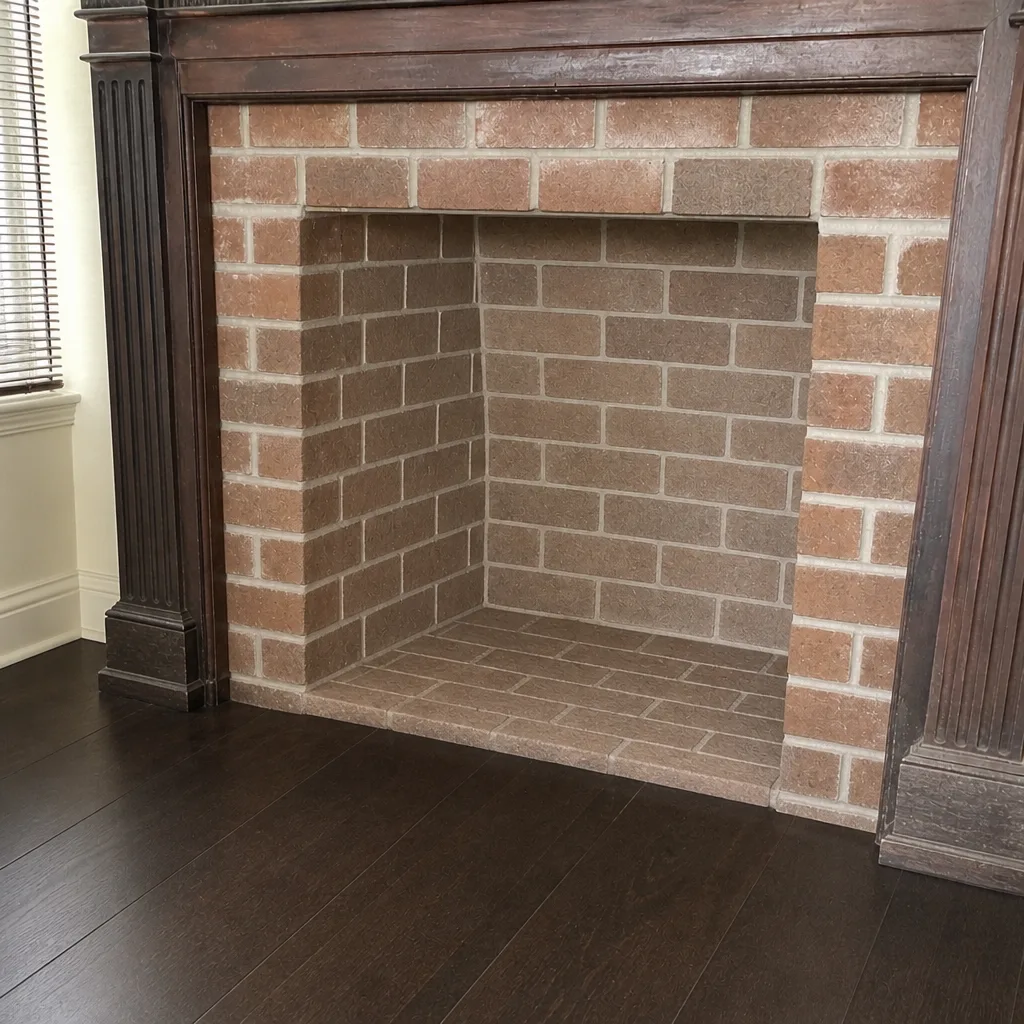
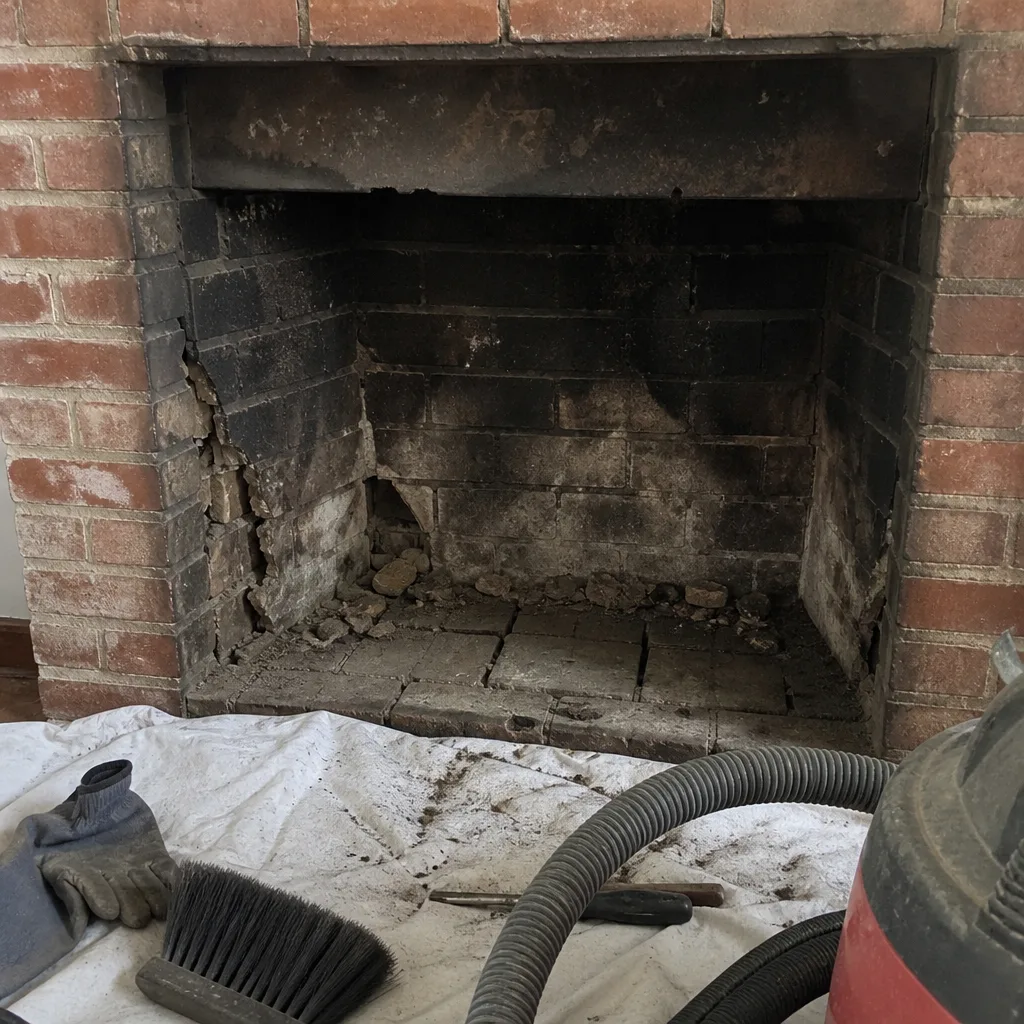
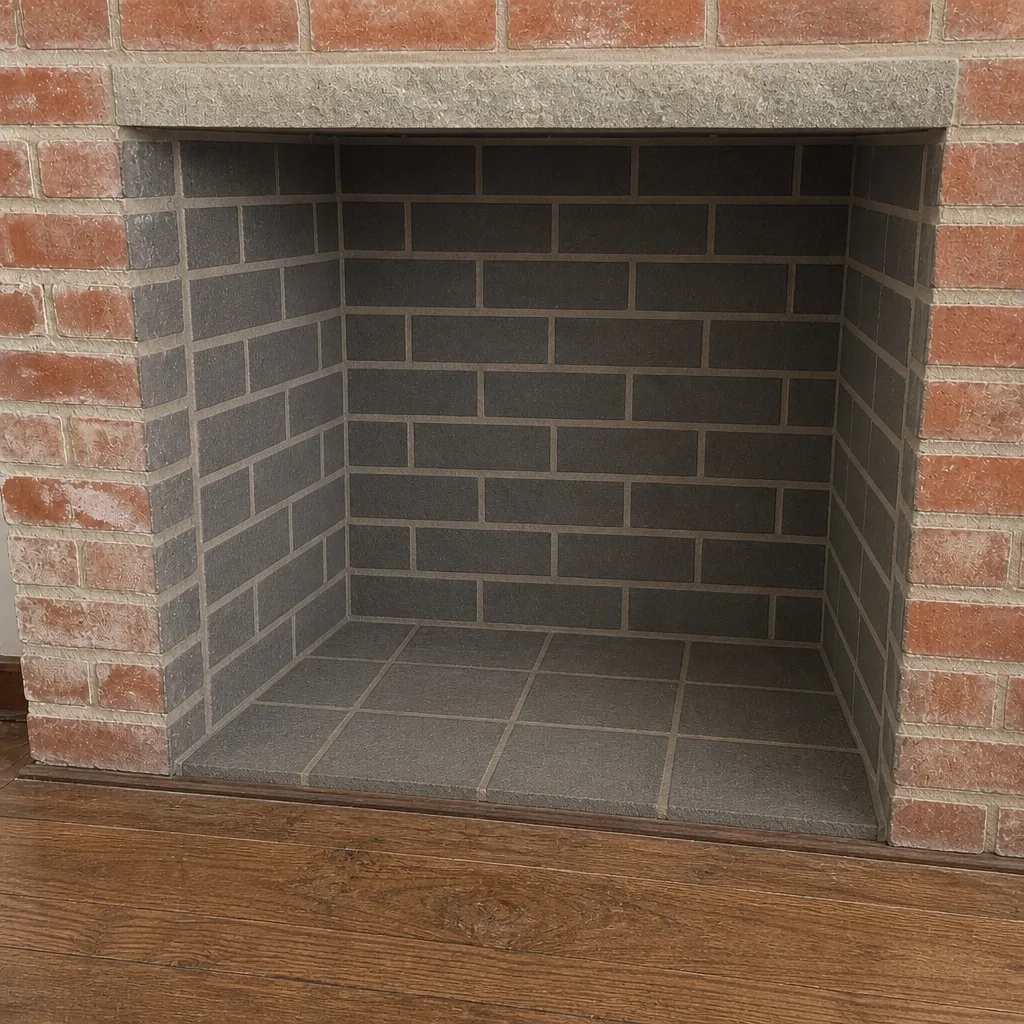
See the difference
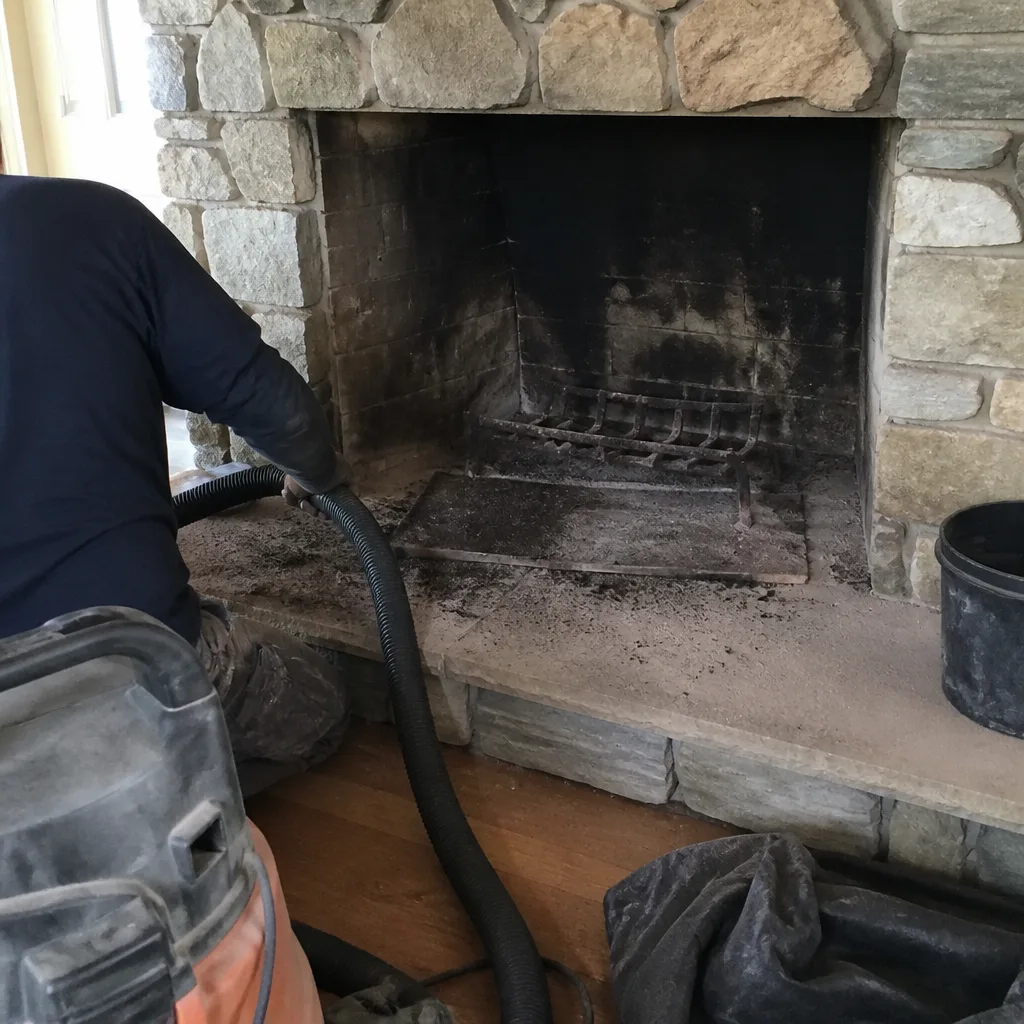 Before
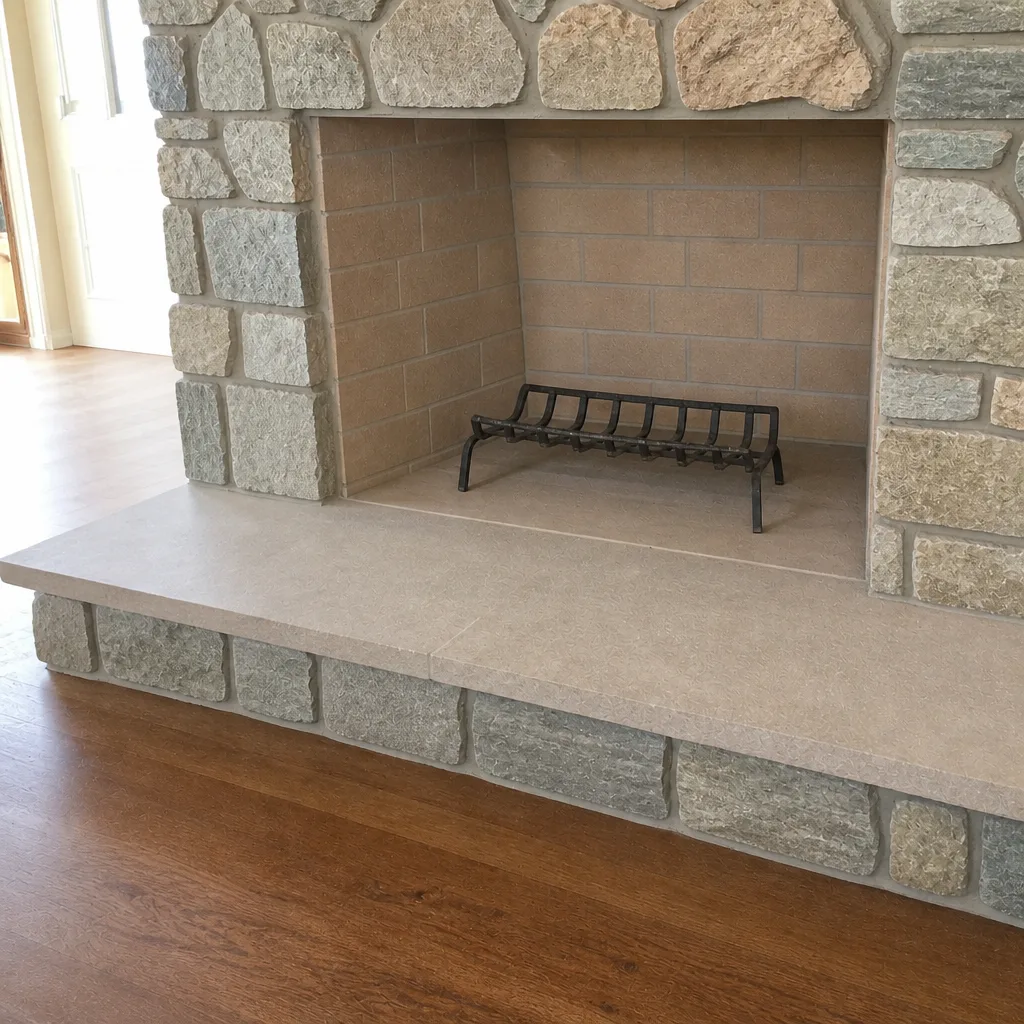 After
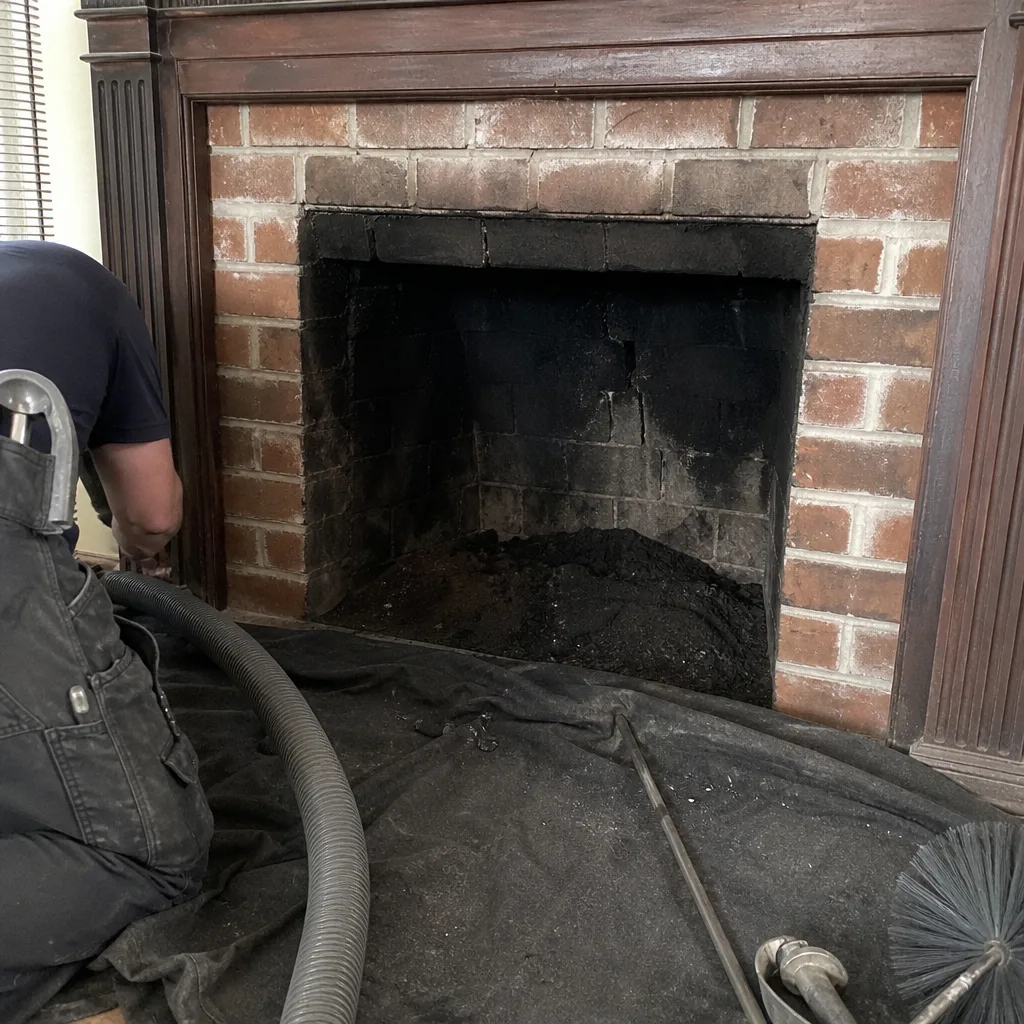 Before
 After
 Before
 After
When to Call a Professional
Call a professional when you can’t see inside the flue and don’t know its condition, which covers most homes. Call when you’ve moved into a house with an unknown service history, when there’s a change in how the chimney drafts, when you see cracked tile or a loose cap from the ground, when there’s water staining at the crown, or when you can smell smoke backdrafting into a room. Those are all signs an inspection is due, and none of them are safe to diagnose by eye from the firebox. High-tension components on some venting systems and any electrical or gas connections are work for a trained professional, not a weekend of guessing.
Belmont Chimney Cleaning offers free estimates in Portland. Call (866) 413-9023. We answer 24/7. Fast dispatch from 7am to 7pm, Sunday through Friday.
Frequently Asked Questions
A basic sweep in Portland typically runs $150 to $300. Add a Level 1 inspection and photo report and you’re usually looking at $250 to $400. The written estimate sets the final price, and it should itemize what’s included. Call (866) 413-9023 for an exact quote – estimates are free.
Only if the inspection shows the existing flue can’t safely contain the gases and heat from your appliance. A camera inspection is what tells you, and you should see the footage yourself. If the liner is intact, resurfacing with HeatShield may restore it for far less than a full reline. Call (866) 413-9023 to book an inspection.
It depends on how much wood you burn and how dry it is. A frequently used fireplace may need an annual sweep; a home that burns only occasionally can go longer. The only reliable way to know is to have the flue inspected and swept on a schedule tied to your burn habits. Call (866) 413-9023 for a free estimate.
Creosote builds up and becomes the fuel a chimney fire needs, and a restricted or damaged flue can let combustion gases back into the house. Skip it for a couple of years and a small, cheap problem can grow into a relining job. Call (866) 413-9023 before the next burn season to find out where your chimney actually stands.
We handle both. We come prepared to fix what we find, which means a liner that fails inspection can be relined here, and a flue that needs resurfacing can be restored without a full rebuild. One call covers your sweep, the dryer vent, and any repairs found along the way. Call (866) 413-9023 for a free estimate.
The most common reason is a skipped inspection, followed by thinner or uninsulated materials, and unlicensed labor. Ask any contractor what brand of liner they’re using and whether the estimate includes a camera inspection. A quote that can’t answer both is telling you what it doesn’t include. Call (866) 413-9023 to compare a complete written estimate.
The Bottom Line
Chimney cleaning costs in Portland vary by a factor of three or more, and the gap tracks scope and materials, not salesmanship. A sweep runs $150 to $300, an inspection adds real diagnostic value, and relining sits in the $2,500 to $6,000 range because professional liner systems and proper insulation cost what they cost. Read your written estimate line by line, insist on photo or video findings, and treat a suspiciously low quote as a question to ask, not a bargain to jump on. And don’t forget the dryer vent. It’s the same story in shorts. Portland homeowners deserve a straight answer with evidence behind it.
Written by the team at Belmont Chimney Cleaning.