
Last updated November 14, 2026
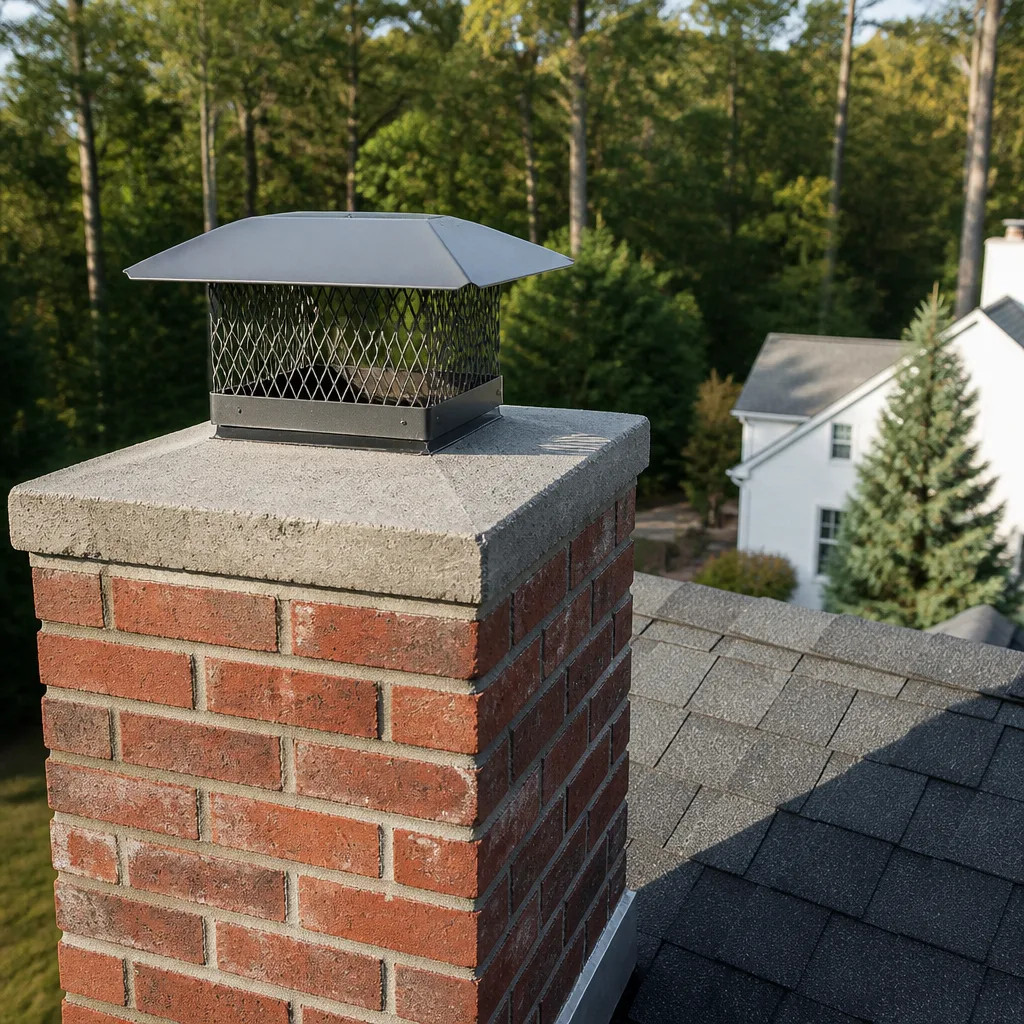 Sweep & inspection
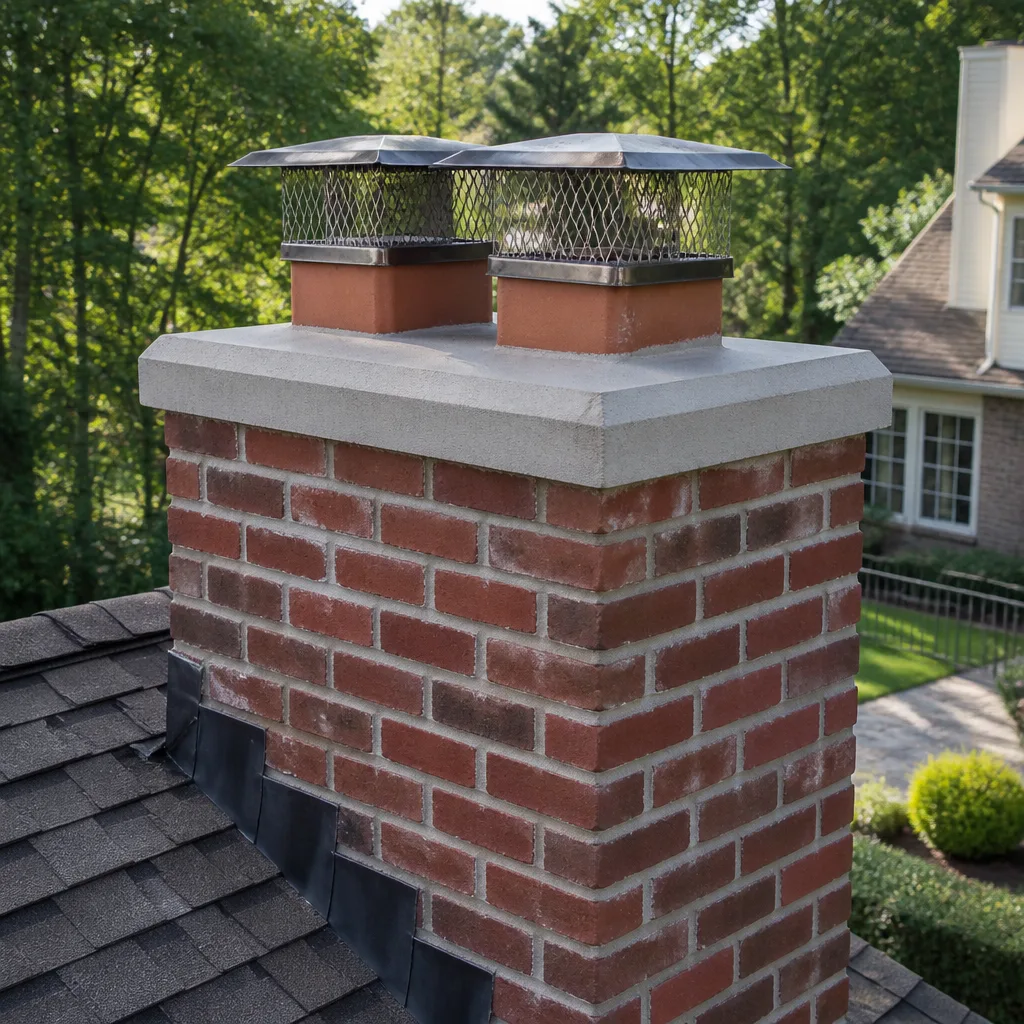 Caps & crowns
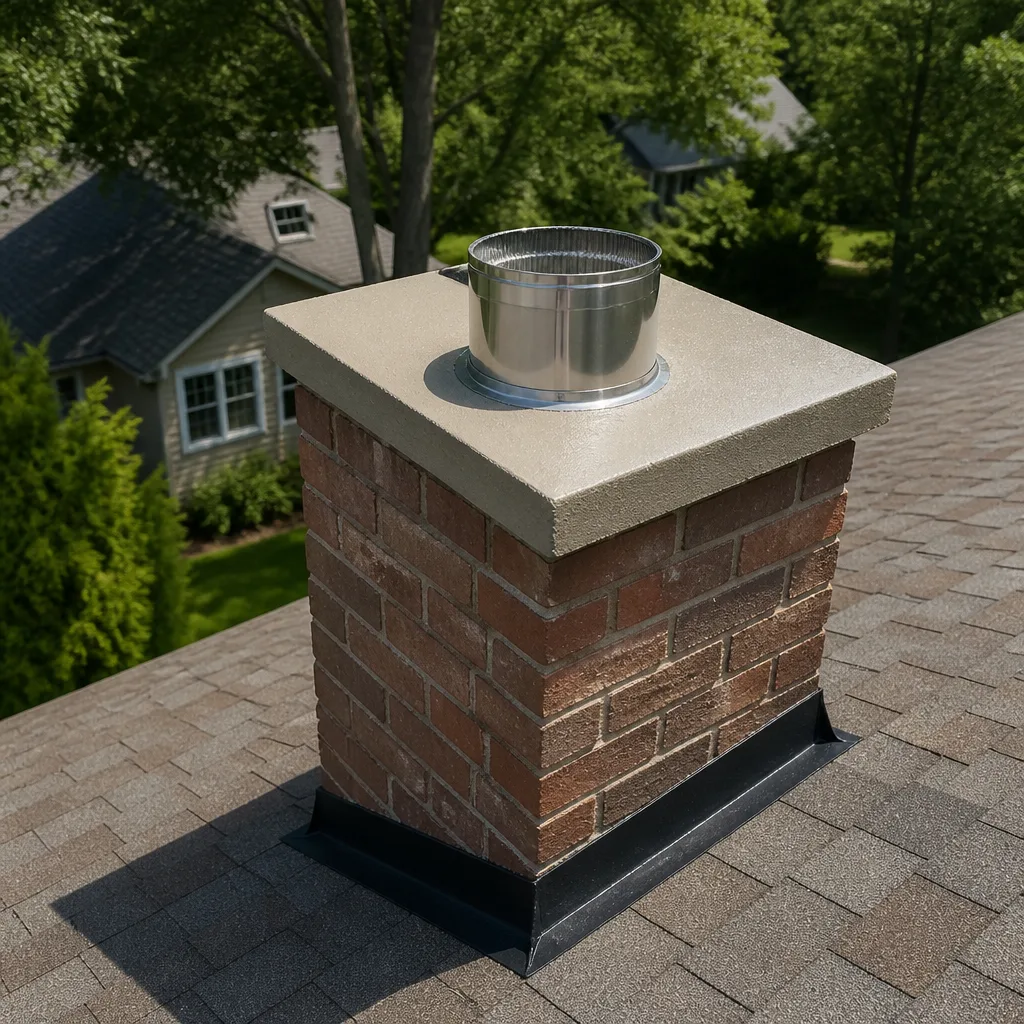 Flue relining
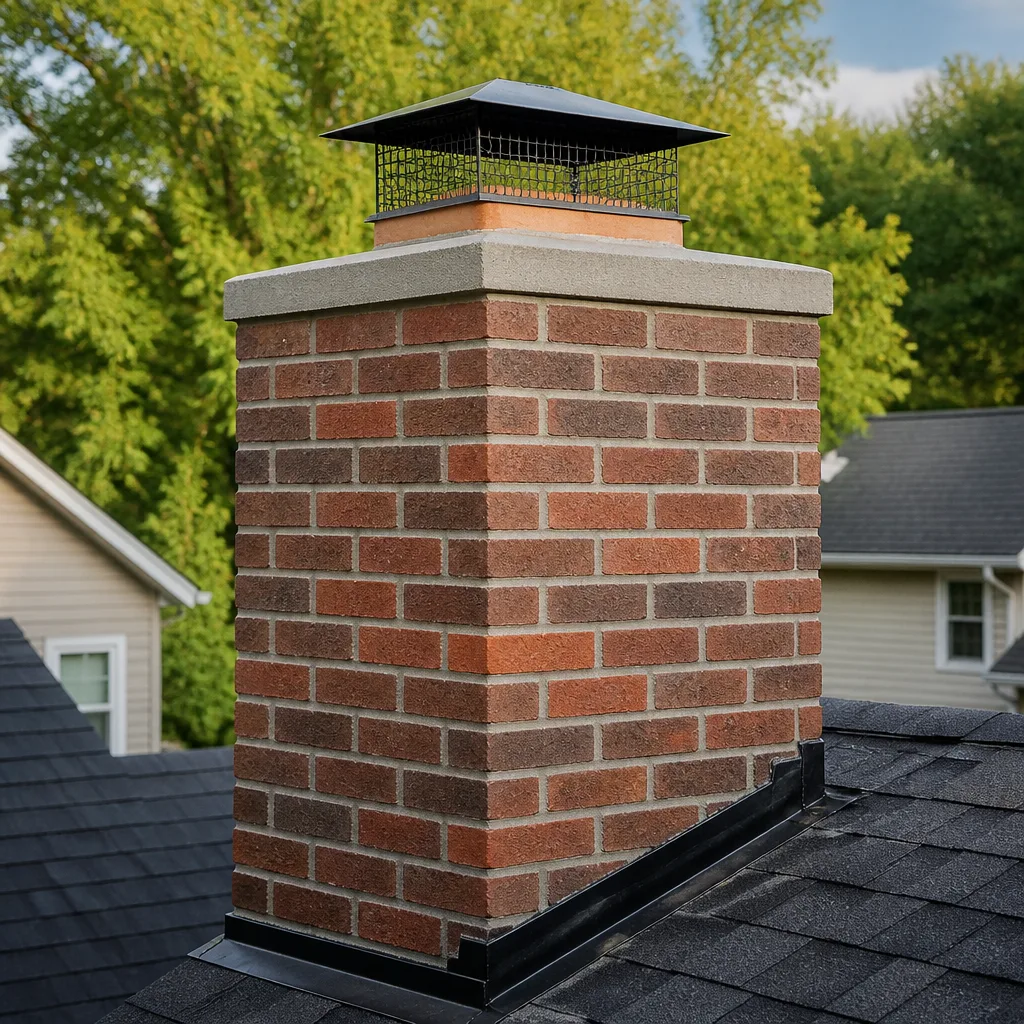 Masonry repair
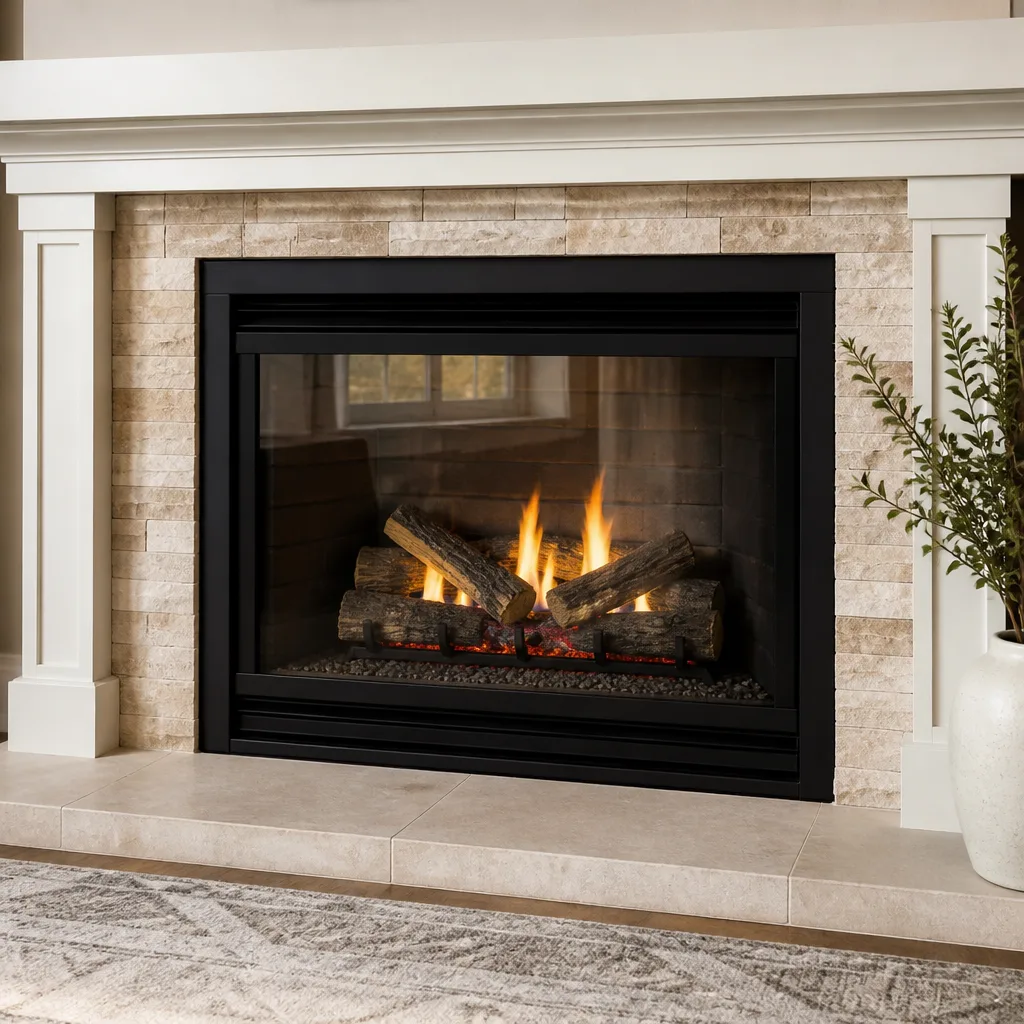 Gas fireplace service
Level 1 sweep and inspection to the NFPA 211 annual standard - flue, crown, cap, and flashing checked and photographed
Chimney sweep logs do not sweep chimneys. They loosen some creosote - which then falls where a brush and vacuum still have to collect it.
How to Hire a Chimney Cleaning Contractor in Portland: A Step-by-Step Guide
The most common way homeowners pick a chimney sweep – checking a review site and accepting the lowest bid – screens out almost none of the contractors most likely to do substandard work. Price and star ratings tell you nothing about whether the person on your roof knows what a Level 2 inspection requires, carries general liability and workers’ comp, or will put a professional-grade liner in your flue instead of a hardware-store substitute. What actually separates qualified contractors from unqualified ones comes down to three things: verifiable credentials, the scope of the assessment they perform, and the materials they specify. This guide walks through the exact questions to ask, the answers that should raise a flag, and how to evaluate a repair recommendation without a chimney background. If you’re hiring in Portland, the specifics matter more than the general advice.
Quick Answer
To hire a chimney cleaning contractor in Portland, verify CSIA certification through the Chimney Safety Institute of America’s public lookup, confirm the contractor carries both general liability insurance and Oregon workers’ comp, and ask what level of inspection is included in the sweep. A qualified contractor will assess your system with a camera before recommending repairs, provide a written scope of work, and specify professional-grade materials rather than generic hardware-store components. Price should be the last filter, not the first.
Styles & brands we work with
- Sweep & inspection
- Caps & crowns
- Flue relining
- Masonry repair
- Gas fireplace service
Table of Contents
- Why Hiring the Right Chimney Contractor Matters in Portland
- What CSIA Certification Actually Means (And How to Verify It)
- The Questions to Ask Before You Book
- Inspection Levels: What’s Included and What You’re Paying For
- Red Flags Specific to Chimney Work
- How to Evaluate a Repair Recommendation
- Why Material Sourcing Matters: Liners, Caps, and Big-Box Substitutes
- The Service Most Chimney Contractors Skip
Why Hiring the Right Chimney Contractor Matters in Portland
Portland’s housing stock is a large part of the problem. The city has a deep inventory of older homes – Craftsman bungalows, mid-century ranches, and pre-war four-squares in neighborhoods like Sellwood, Irvington, and Laurelhurst – many of which have original or partially relined chimneys now well past their expected service life. A sweep who knows how to run a brush but doesn’t recognize spalling flue tile or a cracked crown will clean the flue and leave the actual hazard in place.
Combustion is the other issue. Portland’s wet winters mean wood stoves and fireplaces work hard for months at a stretch, and damp wood burns cooler and produces more creosote than seasoned fuel. Creosote accumulates in layers, and the glazed, hardened form at the top of the scale ignites at lower temperatures than most homeowners realize. A proper chimney sweep removes that buildup and also inspects the flue for the damage that fuels a chimney fire – cracked tile, missing mortar joints, deteriorated liner.
Carbon monoxide is the quieter risk. A blocked or damaged flue can push exhaust back into the living space, and CO is odorless. The contractor you hire should be someone who treats the whole venting path as a system, not just a tube to be scrubbed. That means assessing the firebox, damper, smoke chamber, flue, and termination together, and telling you plainly what’s sound and what isn’t.
What CSIA Certification Actually Means (And How to Verify It)
CSIA certification is a baseline credential, not a differentiator. The Chimney Safety Institute of America issues it to technicians who pass an exam and commit to a code of ethics, but certification alone doesn’t tell you whether the contractor will do careful work on your home. Treat it as the minimum bar – the thing that gets a contractor into the conversation – and then evaluate everything else.
That said, it’s worth verifying because it’s easy to claim and easy to check. The CSIA maintains a public lookup on its website where you can search by company name or by individual technician. Here’s how to use it:
- Ask for the name of the specific technician who will do the work, not just the company name.
- Search the CSIA’s online directory for that name.
- Confirm the certification is current and hasn’t lapsed.
- Ask whether the company holds any additional credentials relevant to the work – some technicians pursue specialized training in relining or restoration.
If a contractor can’t name a certified technician or deflects when you ask, that’s the first filter working as intended. In Portland, where chimney work is seasonal and demand spikes in early fall, some outfits staff up with untrained labor and rely on the customer not knowing to ask. Our technicians have up to 9 years of experience, and we’d rather you verify that than take our word for it.
One more thing worth knowing: certification is a personal credential held by an individual, not a badge the company displays. A company with one certified tech and eight uncertified helpers may still send an uncertified crew to your house. Ask who’s actually coming.
The Questions to Ask Before You Book
A good contractor will answer these without hesitation. If an answer feels evasive or the contractor acts like the questions are unusual, that tells you something. Here’s what to ask, in order:
- What inspection level is included in the sweep? A basic sweep usually pairs with a Level 1 visual inspection. If you’ve moved into a new home, changed your heating appliance, or had a chimney fire, you need a Level 2, which involves a camera. Ask which one you’re getting and what it costs.
- What equipment will you use on my flue? A qualified contractor will mention a rotary or power-sweeping tool with appropriately sized brushes, a HEPA vacuum to keep dust out of your living room, and a camera for a Level 2. “We use a brush and a shop vac” is not the same answer.
- Do you carry both general liability and workers’ comp in Oregon? Both matter. General liability covers damage to your home. Workers’ comp covers the technician if they’re injured on your roof or inside your chimney. Oregon requires workers’ comp for most employers, but you should confirm the contractor’s coverage before anyone gets on your roof. Ask for a certificate of insurance.
- Will I get a written scope of work before you start? You should know exactly what’s being done and what it costs before any work begins.
- If you find a problem, what happens next? The right answer involves documentation – photos or video – and an explanation, not a pressure pitch.
- Who actually shows up, and are they certified? Ties back to the CSIA check above.
Ask these when you book, not when the technician is already in your driveway. It’s easier to walk away from a bad fit before anyone’s on the roof, and it signals to the contractor that you’re paying attention. For more on how a straightforward Belmont Chimney Cleaning booking works, we’re happy to walk through any of these questions on the phone before you schedule.
Inspection Levels: What’s Included and What You’re Paying For
The National Fire Protection Association defines three inspection levels in NFPA 211, and understanding the difference is the single most useful piece of knowledge you can bring to this process. Most homeowners book a sweep and assume they’re getting an inspection. What they’re usually getting is a Level 1.
Level 1 is a visual check of readily accessible portions of the chimney – the firebox, damper, visible flue, and exterior where reachable – without tools that require opening anything. It’s appropriate when conditions haven’t changed since the last inspection and you’re just maintaining a system that’s already known to be sound. A routine annual sweep usually includes this.
Level 2 adds a camera inspection of the flue interior and access to concealed areas. It’s required when you’ve had a chimney fire, when you’ve changed the appliance or fuel type, when you’ve moved into a new home, or when a Level 1 turns up something that needs a closer look. In Portland, where a lot of homes change hands and a lot of fireplaces sit unused for years before a new owner lights them, a Level 2 is often the right call on the first visit.
Level 3 is diagnostic and involves opening walls or other construction to access concealed portions of the chimney. It’s rare and only warranted when a Level 1 or 2 turns up a specific problem that can’t be resolved otherwise.
Ask which level is included in the quoted price, and ask what a Level 2 costs if it isn’t. A contractor who can explain the difference in plain language, without jargon, is a contractor who knows the standard. One who can’t probably isn’t applying it.
Red Flags Specific to Chimney Work
Most of the general hiring advice out there applies here too – no contract, no insurance, no local address. But chimney work has its own failure modes, and these are the ones worth watching for:
- A quote given without seeing the chimney. A phone quote is fine for a standard sweep if the contractor is clear that it’s an estimate pending inspection. It’s not fine for a repair. Anyone who quotes a reline or a crown rebuild sight-unseen is either guessing or planning to find “problems” once they’re on site.
- No written scope of work. Every job should come with a document that lists what will be done, what materials will be used, and what it costs. If you’re asked to approve work verbally, ask for it in writing first.
- Pressure to approve repairs the same day. A genuine safety issue can be urgent, and a contractor is right to flag it. But “sign here today or the price changes” is a sales tactic, not a safety protocol. You’re always entitled to think about it, get a second opinion, or schedule the work for later.
- No camera, no photos. A repair recommendation without visual evidence – either photos of the flue interior or a video walkthrough – is a recommendation you have no way to verify. A qualified contractor documents what they find.
- Vague material talk. “We’ll put in a new liner” tells you nothing. Ask what brand, what grade, and why that one.
- No mention of a HEPA vacuum. A sweep without proper dust control will leave fine ash across your living room. It’s a small tell that matters.
- Unwillingness to discuss insurance. Anyone who hesitates when you ask for a certificate of insurance is telling you something.
Notice that none of these are about price. A contractor quoting in the middle of the local range who does all of the above is a better hire than a low bidder who does none of it. Portland has a competitive market, and the cheapest quote is often the one with the shortest scope.
How to Evaluate a Repair Recommendation
This is where homeowners feel most exposed. You’re told your flue needs a liner, or your crown needs rebuilding, or the whole thing needs to be relined – and you have no way to independently judge whether that’s true or whether you’re being upsold. The good news is that a qualified contractor will make it easy to tell the difference.
Here’s what a trustworthy repair recommendation looks like:
- They show you what they found. Photos or video of the flue interior, the crown, the flashing, or whatever else is at issue. You should be able to see the crack, the spalling, or the deterioration for yourself.
- They explain the failure mode. Not just “this is bad” but “this is what happens next if it isn’t addressed” – and how long you likely have before it becomes urgent.
- They tell you what can safely wait. Not every finding is an emergency. A minor crown crack that can be sealed and monitored is a different situation from a flue with displaced tiles. A contractor who tells you something can wait a season is a contractor who isn’t chasing the biggest possible invoice.
- They give you options. Sometimes a HeatShield resurfacing restores a deteriorating flue without a full reline. Sometimes a DuraFlex liner is the right answer. A contractor who offers only one solution to every problem is a contractor who only knows one solution.
- They put it in writing. Scope, materials, price, and any warranty. Verbal estimates on repair work are how disputes start.
The difference between a contractor who shows you photos and explains the failure and one who just hands you a number is the difference between a professional and a salesperson. Ask to see the evidence. Ask what happens if you wait. Ask why this material and not another. A qualified contractor will welcome the questions.
Why Material Sourcing Matters: Liners, Caps, and Big-Box Substitutes
This is the part of the hiring decision most homeowners skip, and it’s the one that determines how long the repair actually lasts. A stainless liner is not a commodity. The alloy, wall thickness, and joint design vary widely, and the difference between a professional-grade liner and a hardware-store substitute shows up five or ten years down the road, when the cheaper one has failed and the flue has to be opened again.
We use the same professional-grade materials chimney engineers specify – not big-box alternatives. That means DuraFlex liners for relining work, HeatShield for resurfacing deteriorating flue tiles without a full rebuild, and Famco and Copperfield components for caps and related venting. These aren’t marketing names; they’re the materials a contractor who does this work every day reaches for because they hold up.
Ask the question directly: “What brand of liner do you use, and why that one?” A contractor who can answer specifically, and who can explain the alloy and the warranty, is a contractor who has thought about it. A contractor who says “we use a good one” is telling you they don’t. You can ask to see the material specification before the work begins, and any professional will provide it.
The same logic applies to caps and chase covers. A cheap cap that rusts through in a few seasons lets water into the flue, which is the beginning of a much more expensive problem. Portland’s wet winters are hard on inferior metal, and the difference in cost between a proper stainless cap and a bargain one is small next to the cost of repairing water damage inside a chimney.
The Service Most Chimney Contractors Skip
Here’s something worth knowing before you book: dryer vents and chimneys share the same risk profile. Lint and creosote are both fire fuels, and both accumulate in enclosed spaces where a fire can spread before anyone notices. The NFPA identifies failure to clean as a leading cause of home dryer fires. Most chimney-only contractors don’t touch dryer vents, which means the vent behind your dryer goes years without an inspection.
When you’re evaluating contractors, ask whether they offer dryer vent cleaning alongside chimney work. If they do, you get one visit that covers both hazards and one contractor accountable for the whole venting system. If they don’t, you’re managing two vendors and hoping the gap between them doesn’t hide a problem. One call covers your sweep, your dryer vent, and any repairs we find along the way – that’s the model that makes sense for a homeowner trying to keep the whole system safe.
The dryer vent question also tells you something about how a contractor thinks. Someone who understands that venting is a system, not a collection of unrelated pipes, is more likely to notice the things that fall between trades.
Common Mistakes to Avoid
- Booking on price alone. The lowest quote in Portland usually means the shortest scope – a brush-and-go with no camera, no documentation, and no real inspection. You’re paying for the sweep you get, not the one you thought you were getting.
- Skipping the insurance check. If a technician falls off your roof and the contractor doesn’t carry workers’ comp, the claim can come back to you as the homeowner. Ask for the certificate before anyone arrives.
- Accepting a phone quote for repair work. A sweep can be quoted by phone with a caveat. A reline or crown rebuild cannot. Anyone who quotes structural work without seeing the chimney is guessing.
- Not asking which inspection level is included. Most homeowners assume a sweep includes a full inspection. It usually includes a Level 1. If you’ve just bought the house or had a chimney fire, you need a Level 2, and you should know that before you book.
- Approving repairs without seeing the evidence. If the contractor won’t show you photos or video of the problem, you have no way to verify it exists. Ask to see it.
- Ignoring the dryer vent. Portland homes with older vinyl or foil dryer ducts are at higher risk, and the vent is out of sight behind the appliance. If your contractor doesn’t offer vent cleaning, find one who does or book it separately.
- Assuming a sweep is a one-time job. Chimneys need sweeping on a schedule tied to how much you burn, not to a calendar year. Ask the contractor what interval they recommend for your appliance and fuel.
See the difference
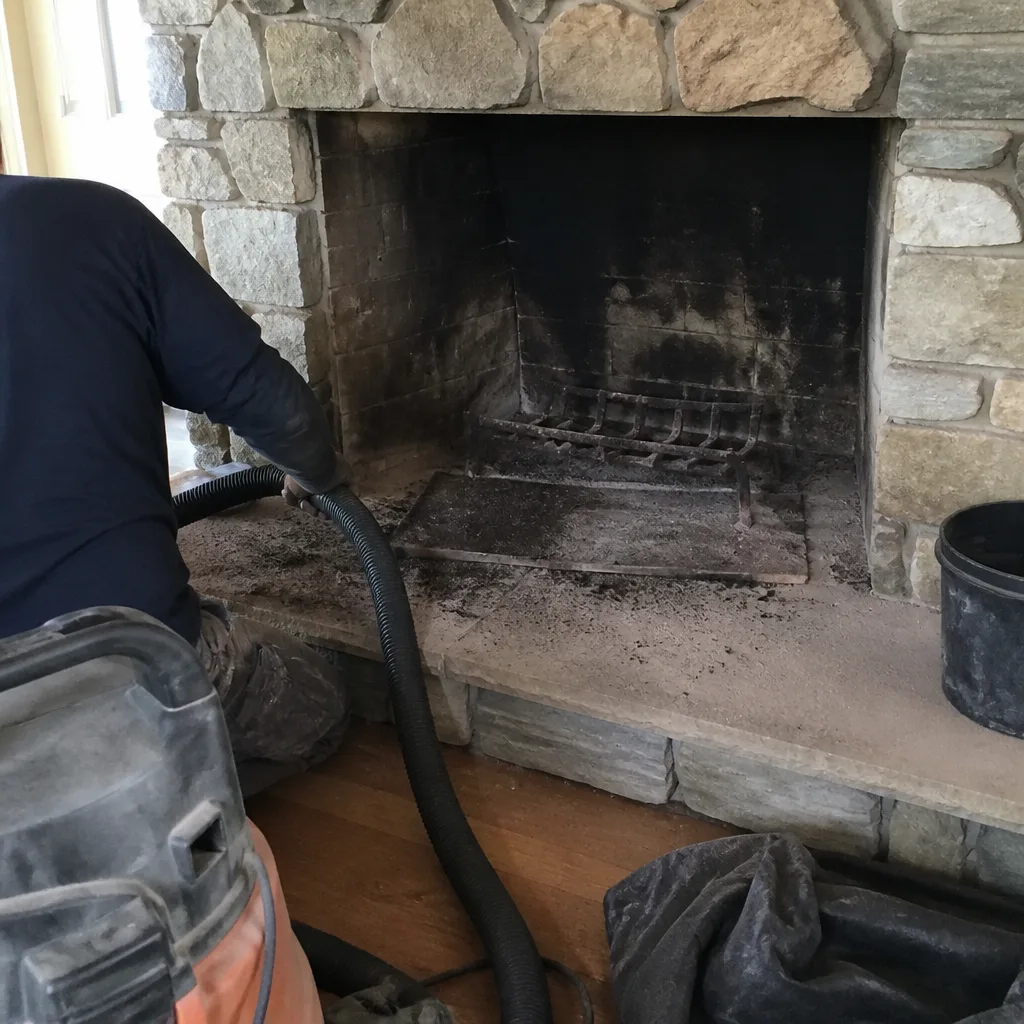 Before
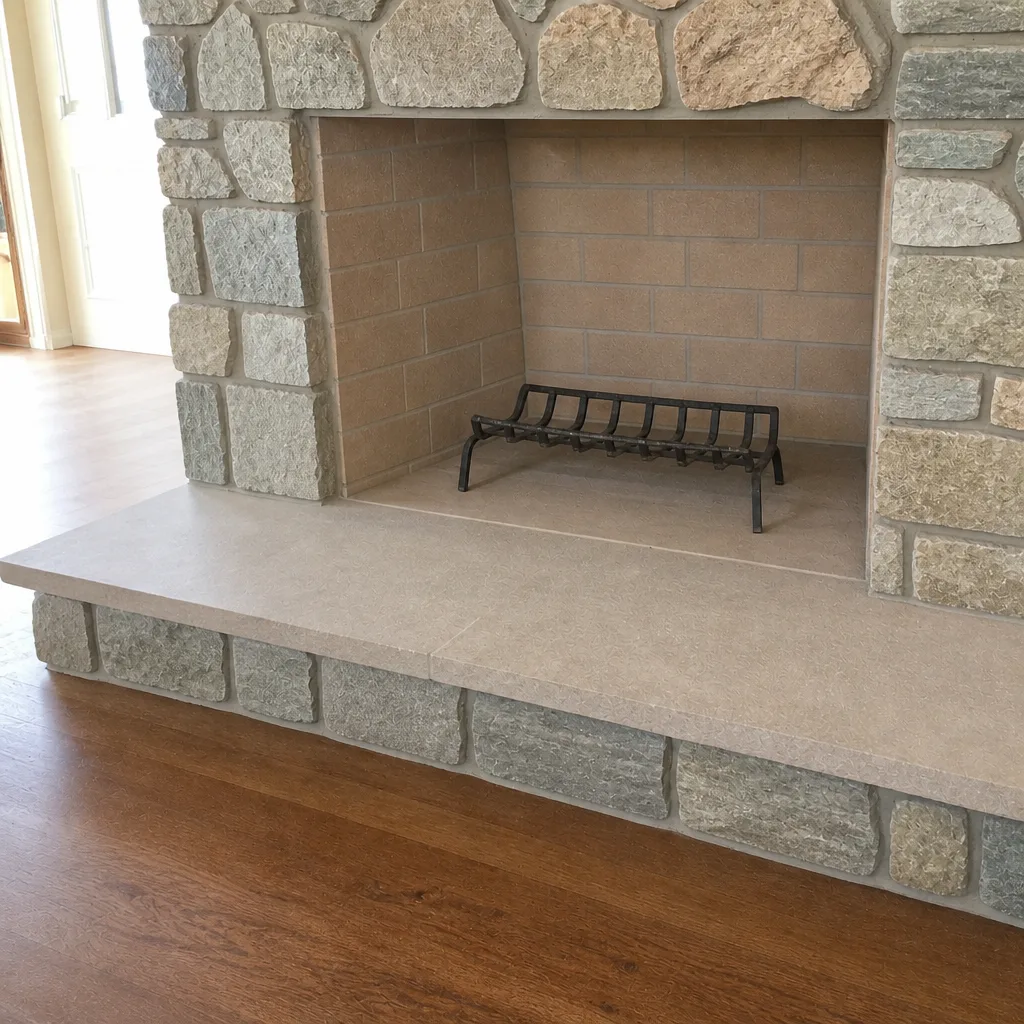 After
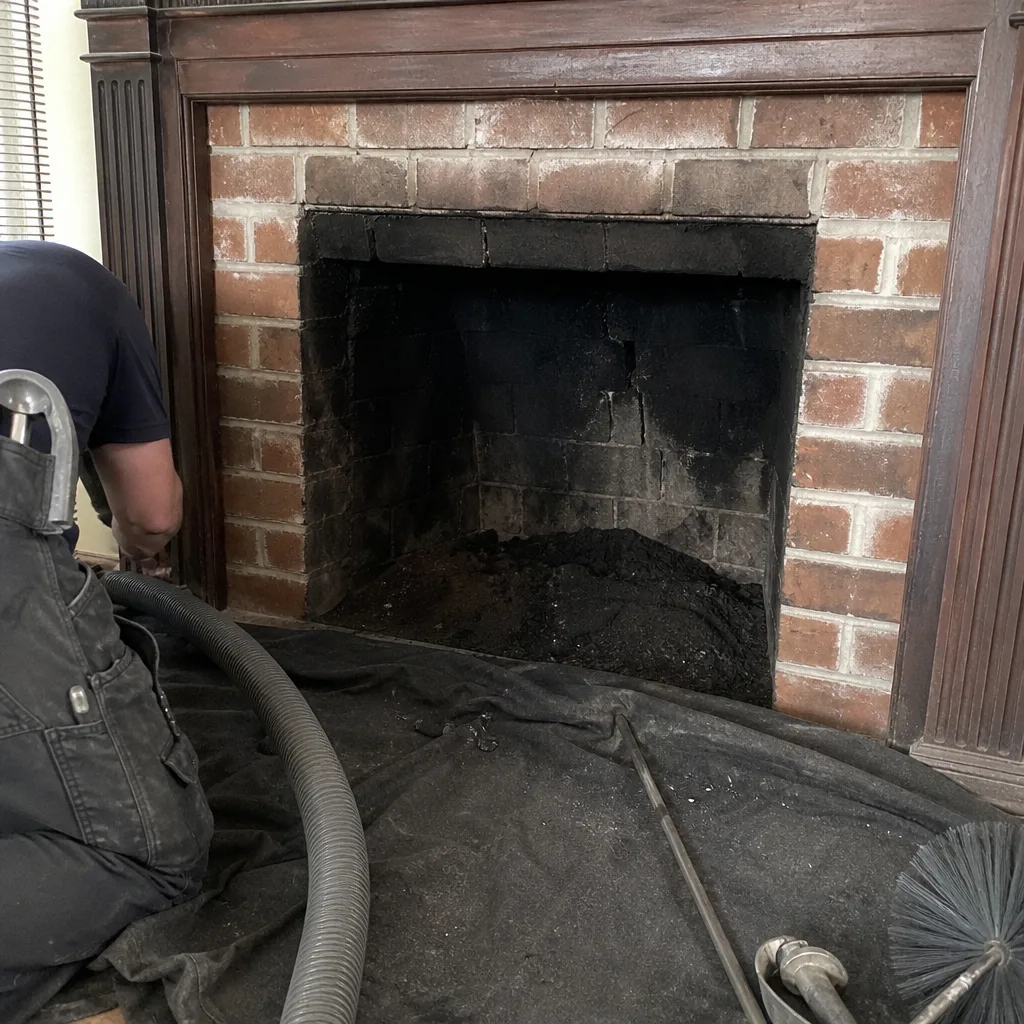 Before
 After
 Before
 After
When to Call a Professional
Some chimney problems announce themselves – a strong creosote smell, smoke backing into the room, visible cracks in the firebox or crown, water stains on the ceiling near the chimney. Others are silent until they aren’t. If you’ve moved into a Portland home and don’t know when the chimney was last swept, book an inspection before the first fire of the season. If you burn wood regularly through the winter, an annual sweep is the baseline. If you’ve had a chimney fire, even a small one, you need a Level 2 inspection before you light another fire, because the heat can crack tiles in ways that aren’t visible from below.
Belmont Chimney Cleaning offers free estimates in Portland – call (866) 413-9023. Our technicians have up to 9 years of experience, and we’ll tell you plainly what we find and what can wait.
Frequently Asked Questions
A standard sweep in Portland typically falls in the middle of the national range, and the exact price depends on the appliance, the flue configuration, and whether a Level 2 camera inspection is included. The written estimate sets the final price, and the estimate is free. Call (866) 413-9023 for an exact quote.
Only if the existing flue can’t safely contain combustion gases – which means visible cracks, spalling tiles, gaps at the joints, or a liner that’s deteriorated past repair. A qualified contractor will show you photos of the failure and explain what happens if you wait. Sometimes HeatShield resurfacing restores the flue without a full reline, and sometimes the honest answer is that a minor issue can be sealed and monitored. Call (866) 413-9023 and we’ll show you what’s actually there.
It depends on how much you burn. A household that lights fires most winter evenings should sweep annually. A household that burns a few cords a season may need it more often, and a household that only uses the fireplace occasionally can go longer between sweeps with an annual inspection. Portland’s long, wet winters mean many homes burn hard for months, which pushes toward the annual end of the range. Call (866) 413-9023 for a recommendation based on your appliance and fuel.
Creosote accumulates in layers, and the glazed form at the top of the scale ignites at a lower temperature than most homeowners expect. A chimney fire can crack flue tiles, damage the liner, and let combustion gases into the living space. Carbon monoxide is the quieter risk, because it’s odorless. Skipping a sweep doesn’t cause a problem every year, but it removes the inspection that catches problems before they become urgent. Call (866) 413-9023 to schedule before the burning season.
Yes. The Chimney Safety Institute of America maintains a public lookup on its website where you can search by company or individual technician name. Ask for the name of the technician who’ll do the work, search that name, and confirm the certification is current. It’s a baseline credential, not a guarantee of quality, but it’s easy to check and it’s the first filter worth applying. Call (866) 413-9023 if you have questions about what to look for.
We serve homeowners across Portland and the surrounding area, including the older neighborhoods where chimney work tends to be most needed. If you’re not sure whether your address is in range, call (866) 413-9023. We answer 24/7. Fast dispatch from 7am to 7pm.
The Bottom Line
Hiring a chimney contractor in Portland isn’t complicated once you know what actually separates qualified sweeps from unqualified ones. Verify CSIA certification yourself, confirm both general liability and workers’ comp before anyone gets on your roof, ask which inspection level is included, and insist on camera evidence before approving any repair. Then ask about materials, because the liner and cap you choose determine how long the repair lasts. Price is the last filter, not the first. A contractor who does all of the above is worth paying for; one who does none of them isn’t worth the discount. And if your contractor doesn’t handle dryer vents, find one who does – the two hazards share the same risk profile.
Contact
One call covers your sweep, your dryer vent, and any repairs we find along the way. We use the same professional-grade materials chimney engineers specify – not big-box alternatives – and we come prepared to fix what we find, not just report it. Call (866) 413-9023 for a free estimate. We answer 24/7. Fast dispatch from 7am to 7pm, Sunday through Friday.
Written by the team at Belmont Chimney Cleaning.